





AI Blur Background Tool: Prompt Strategy, AI Design Uses and Quality Checks
A strong blurred background visual is not made by blurring, restoring, swapping, or styling everything the tool can touch. It starts with a narrow decision: what should the viewer notice first, and what must stay true? For teams using Xelta AI creation platform, the useful path is to treat ai blur background tool as a production workflow, not a novelty effect.
The practical answer is simple. Bring a clear source image, define the business use, protect the details that matter, create a small set of controlled variations, and review the result inside the channel where it will appear. That matters because image-led marketing now moves across search, social, email, ads, listings, and sales pages. A polished visual that fails in one of those places can slow the whole campaign.
The useful answer for blur-background briefs
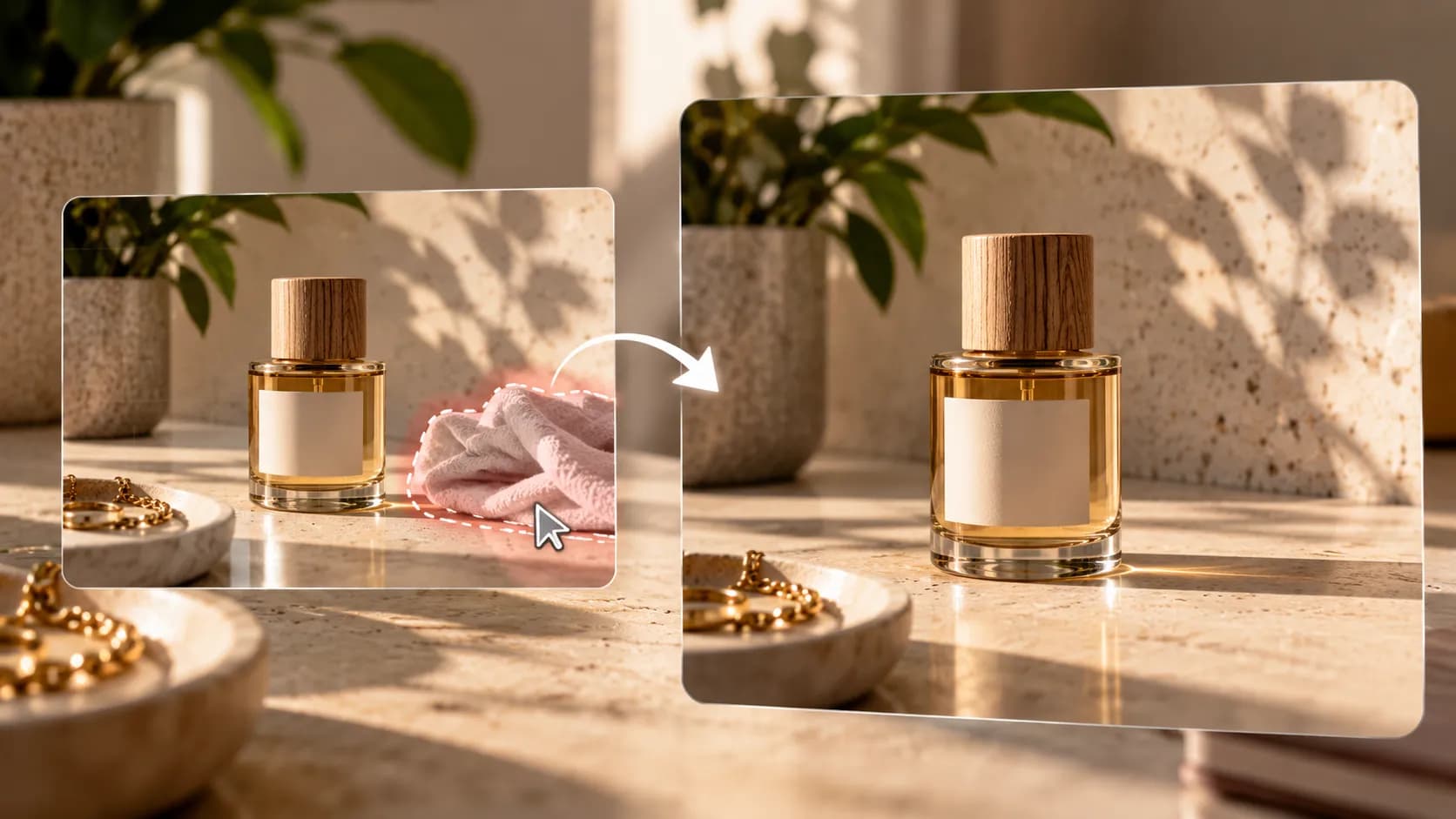
Use ai blur background tool when the final asset needs a specific job, such as soft-focus product scenes, portrait depth effects, ad crops, clean social backgrounds, and campaign-ready image variants. A team can start with AI image generator for campaign visuals, then narrow the prompt around subject accuracy, format, review criteria, and final placement. The best result is not the most dramatic version. It is the version that improves attention while keeping the viewer's trust intact.
Why background blur needs a clear subject decision
The risk in blur background asset work is that the image can look finished before it is useful. A blurred scene can hide a messy background but also weaken the product. A restored image can look sharper but change the surface a buyer needs to inspect. A face, avatar, try-on, hair, or makeup edit can become visually appealing while drifting away from the person, garment, product, or brand promise.
That is why the brief should name the audience before it names the effect. A real estate team may care about visual proof. An ecommerce team may care about product truth and crop consistency. A beauty brand may care about shade accuracy and skin texture. A creator team may care about recognition at thumbnail size. Each use case changes what the tool is allowed to change.
A blur workflow built around attention and placement
A strong operating model has five parts: source, protected details, intended channel, variation range, and approval rule. The source is the image, reference, model photo, or product visual. Protected details are the things AI should not reinterpret. The intended channel decides aspect ratio, crop, contrast, and text space. The variation range controls how far the edit can move. The approval rule explains who decides whether the image is ready.
This model keeps creative work fast without making it careless. The team can ask for multiple versions, but each version is still compared against the same standard. That is especially useful when the asset may support ads, profile images, product pages, or a long content calendar. Variation becomes easier, but accountability stays visible.

From source image to controlled depth effect
A repeatable process prevents the blur background asset from turning into random experimentation. The aim is not to make one nice image. It is to create a small, documented asset set that a marketer, designer, or founder can review without guessing what changed.
Step 1: Define the viewer action before the edit
Write one sentence about what the viewer should do after seeing the asset. The input is the campaign goal, product page need, profile use, or ad angle. The output is a decision note. Review whether the edit supports that action or merely looks impressive.
Step 2: Protect the details that carry trust
List the details that cannot change: face shape, product color, garment fit, skin tone, logo position, room structure, hairline, shade family, or background logic. The output is a protection checklist. Review it before any generation round.
Step 3: Generate a tight set of route options
Create three to five controlled directions instead of twenty random drafts. Use the same source and change one idea at a time: background softness, restoration strength, styling route, portrait crop, or beauty finish. The output is a comparison set. Review whether each option teaches the team something useful.

Step 4: Review the draft inside the final placement
Place the best drafts where they will actually live: a product card, search result, profile circle, story frame, ad layout, or hero section. The output is a context board. Review subject separation, edge softness, focal point clarity, crop behavior, brand style, and text-safe space before selecting the final route.
Step 5: Export a small system, not one loose file
Export the approved asset as a main file, square crop, vertical crop, backup version, and source reference. The output is a labeled asset folder. Review file names, approval notes, and usage limits so the image is not reused in the wrong context later.
Filter blur versus designed background softness
A quick edit is useful when the asset is internal, exploratory, or low-risk. A production edit is needed when the image represents a person, a product, a property, a garment, or a beauty claim. For blur background asset work, compare drafts by accuracy, format strength, review effort, and the amount of manual cleanup still required.
Manual production gives more final control and is still valuable for sensitive images. AI-assisted production is stronger when the team needs speed, multiple routes, and format variation. The best workflow often combines both: AI creates options, then a human reviewer checks truth, tone, and commercial fit. A draft that saves time but creates a rights or product issue is not really faster.
Blur background mistakes that reduce trust
The first mistake is asking for a finished look before defining the job. The second is approving the image at full size only. Many weak blur background asset outputs look fine on a large screen but fail when cropped into a circle, compressed for an ad, or viewed on a phone. The third mistake is ignoring what the edit implies. A smoother face, sharper product, cleaner room, different outfit, or changed shade can create a promise the business did not intend.
Better habits are straightforward. Keep the source image. Save the prompt. Mark protected details. Label rejected directions. Ask one reviewer to check brand fit and another to check channel fit. Test the asset beside the headline, product claim, price, or profile text. Then approve the image for specific placements instead of treating it as a universal file.

Where Xelta fits in blur-background production
Xelta fits after the team has a clear image goal and before it spends hours polishing one weak route. A user can bring a source image, campaign brief, reference look, product photo, portrait, or style note into the workflow and use Photo Lab style editing workflow when the topic needs a closer starting point. The platform can support draft routes, visual variations, and review-ready concepts for teams that need more than one version.
The human role stays important. Someone still needs to approve likeness, product truth, usage rights, cultural tone, legal sensitivity, and final publishing decisions. Xelta is most useful when it helps teams move from idea to structured options, then gives reviewers enough material to choose, revise, or reject with confidence.
From product or portrait image to softer campaign variants
A practical first session would start with one input: a product image, portrait, garment photo, old visual, beauty reference, or brand note. The user would choose an image-led workflow, enter a structured prompt, and request a few controlled versions. The first useful draft may improve composition, style, or clarity, but it should still be treated as a draft.
Iteration could mean changing the crop, lowering the edit strength, preserving more facial detail, adjusting shade, testing another background, trying another wardrobe route, or creating a vertical version. Teams that want more examples can keep a learning loop through Xelta AI image workflow examples, then return with stronger prompts. The repetitive task that becomes easier is producing comparable options. The judgment that remains human is deciding what feels accurate, respectful, and on brand.
Quality checks before a blurred image goes live
Before publishing, apply a simple method. Does the asset still match the source truth? Does it create a claim that needs evidence? Is the subject recognizable at the smallest size? Does the crop protect the important detail? Would a customer, client, model, or stakeholder feel misled by the change? These questions catch problems that visual polish can hide.
For image SEO and AI answer visibility, treat the edited visual as content, not decoration. Use a descriptive file name, write alt text that names the subject and purpose, and place the image near relevant copy. Keep the prompt, source file, selected draft, and approval note. That record helps future editors update the asset without repeating the whole review process.
One final habit helps teams scale the work. Separate exploration from approval. Exploration can be fast, visual, and generous. Approval should be narrow, documented, and tied to actual use. Add a small owner note, such as approved for product card only or approved for paid social testing. That keeps a strong blur background asset from being reused later in a channel where the assumptions no longer apply.
Use blur to direct attention, not hide weak work
The best blur background asset workflow is controlled enough for brand review and flexible enough for creative testing. Start with the business use, protect the details that carry trust, create a small variation set, and approve the image in context. When a team is ready to move faster, the mapped Xelta workflow can become the next practical step for turning one source into better campaign-ready visual options.