






Artificial Intelligence Design Needs Are Broader Than Aesthetic Showcases
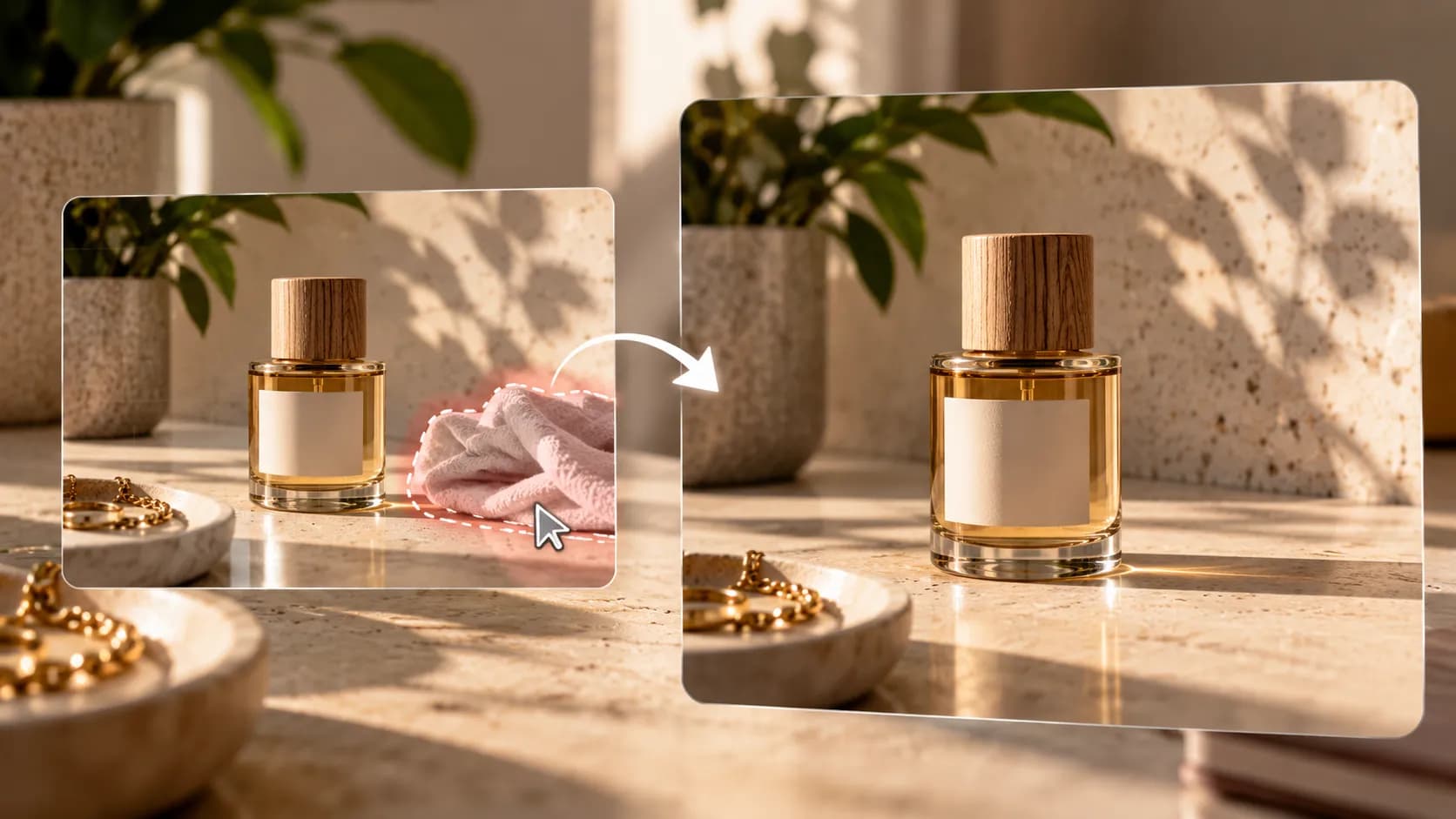
AI design may involve concepts, layouts, images, branding shifts, resizing, editing, or campaigns. A display showing outcomes but omitting specific design choices confuses users regarding inputs, controls, and verification steps. For such pages, the primary task is locating the absent answer by revealing the design workflow and supporting it with evidence tracing the concept origin. The Xelta design and creation platform assists in producing outputs. One must understand the source of proof, approval authority, and intended purpose before commencing work.
So, begin by asking if brands approve the item and what the campaign aims to achieve. Include placement details and who holds final approval authority. This ensures AI design remains tied to business decisions rather than merely assembling images. It further provides creators with criteria to reject visuals that appear appealing yet alter intended messaging or location requirements.
The Useful Answer for Teams Evaluating AI Design.
Utilize AI design for a particular visual task. Retain approved references stating what remains unchanged create a version then verify the image where it appears. An effective AI image generator for design should display selected options and simplify checking alterations.
The outcome must form a design page offering a clear explanation, showing control via examples that link visuals back to the initial plan. This standard proves value better than questioning realism. Business imagery requires stating what keeps proper evidence and fits within its context, whether appearing on a page, campaign, listing, presentation, or final client decision.
Find the Content Gap Behind the Search Phrase
The sheet indicates whether the query seeks shopping data or a place. Those seeking info require steps and boundaries. Buyers need options, evidence, and fit details. Industry users need situational limits. Location seekers need answers showing inputs, outputs, reviewers, and risks.
Utilize the keyword as the primary task for the page. Terms such as AI image maker, AI design, images, marketing material should assist in explaining the task of creating the article into a lengthy list of AI design items. An effective page guides the reader from a query to evidence. Then toward a precise subsequent action.
A Question-to-Proof Design Framework
A solid model contains four sections. Source control begins with a query, authorized brand products, a campaign objective and the required format. Direction converts these inputs into single audiences, singular roles and consistent details. Generation produces a version alongside modifications. Review links selected images to posters, landing pages, social posts, events, blogs and concepts.
Expert opinion: a solid initial draft matters less than a method for altering the image once it enters active projects. The proof must show how the plan differs from the image, covers various layouts, keeps the brand consistent, and handles multiple campaign formats. Such items do not require a formal report. They just need to be clear enough so someone else understands the image's intended purpose and reasons for accepting the final version.

Six Steps From Search Demand to a Credible Design Page
Step 1: Organize group inquiries based on their design selection.
Utilize the query itself to create a verifiable decision record or note. Examine specific details regarding placement before selecting a single page assignment and eliminating any overlapping meaning.
Step 2: Pick a single page job.
Take away identical meanings. Apply the accepted brand things. Create a version ready to check a choice or a note. Examine the specifics and placement, then gather the brand, message and layout inputs required for proof.
Step 3: Gather the brand, message, and format inputs required for proofing.
Utilize the campaign objective. Create a version suitable for checking a decision or noting. Examine the specifics and placement location then produce one basic design and two controlled variations.
Step 4: Create one design with two controlled changes.
Apply the required format. Build a version to check a decision or note. Examine the details and placement, then explain the rules for checking next to the image proof.
Step 5: Check the rules beside the image proof now.
Apply those checking rules here. Build a version that verifies a decision or a note. Examine the details and their location then connect the final page to the following work step.
Step 6: Connect the page to the subsequent phase of the project.
Utilize the inquiry. Create a draft capable of verifying a choice or a remark. Examine the specifics and its location then prepare the sanctioned picture ready for the destination intended.
Proof Assets That Explain Design Control
Look at the process showing how the plan was understood how the layout was controlled how the brand was changed how the changes were made how the formats can be. How the checking was clear. These signs should be set before the team looks at the results. Otherwise people tend to like the image that looks best even if another one is more correct, easier to change or better for the job.
Advantages ought to be framed as steps rather than guarantees. The actual gain lies in selecting a single approved plan. Generating sets of images and formats alongside maintaining the verification log. Primary issues involve potential manual adjustments needed for images and how brand quality relies on accurate source materials plus human inspection. A prudent statement clarifies these constraints within the guidelines governing decision-making processes.
Worked Scenario: A Plan Becomes a Design System
An individual receives a webinar strategy. The fundamental poster displays the sequence and brand aesthetic. A secondary iteration highlights the speaker prominently. A tertiary option allocates room for specifics. The evidence collection demonstrates why every modification occurred and which edition suits each setting. This serves as an illustration, not a case. Its aim reveals how the strategy, outcome, and verification choices may be organized.
A gallery displays what the tool produces. A proof-based page reveals how results were created, identifying constants, alterations, and inspection points for checkers. Those deciding on workflows require such verification. Readers must observe the trade-off: which parts speed up, which remain manual, and which proof accompanies the image.
Why AI Design Pages Feel Thin With Strong Images
Common errors involve handling AI design as a unified subject displaying merely end images with identical page layouts across all instances and claiming the brand remains constant without evidence. Such pages typically begin prior to image creation. The group has failed to determine which specifics matter, how selections might shift, or who holds authority over decisions.
A better approach involves having pages about design decisions display how sources and modifications were managed by naming verification rules and clarifying subsequent steps. Maintain brief lists centered on specific items. A concise rule applied directly offers greater utility than an extended one appearing only post-problem.

Where Xelta Fits in a Design Proof Process
Xelta operates once a group finalizes its shared plan and defines a specific visual objective. The system assists by converting that plan into various drafts, modifications, and finalized visuals while the designated individual selects elements and grants approval.
This topic fits best within the Brand Poster Process. Verify if it assists converting an approved plan into images and formats while retaining checking steps. Examine how effectively versions can be compared and determine how readily the image returns to the previous content, design, client, or product checking procedure.
What Creators Should Be Able to Control
A good review history record should reflect the original source. It should reveal what is the same. It should display the modified version. It should show what changes were made. It should show the reason for approval.
The review process should be limited to the design problem statement:
- What was the original requirement?
- What sources were used? -What was produced?
- What changes were made?
- According to what rules was the design approved?
A gallery in isolation from these aspects cannot answer these questions.
Image SEO
SEO-friendly images should have a clear description of their content. It should explain why they are relevant to the page. File names should be descriptive. Alt texts should be descriptive. Nearby content should be used. There must be some connection between the image and the section in which it appears. Descriptions and captions should be objective and not claim anything that cannot be proved by the image.
In case of this article, useful visuals might include: questions about AI design grouped by the type of decision-making needed. The poster design used in controlled variations. Comparison of brand elements consistency across different formats.
An effective page on designing AI does not have to account for all the problems of designing.
Choose a simple goal, one piece of source material, and one person to verify the result.
Make the first draft, compare it with the original requirements, and modify it only when the design improves but accuracy and consistency stay.
For more examples and visual resources related to Xelta, visit the Xelta AI YouTube channel.