


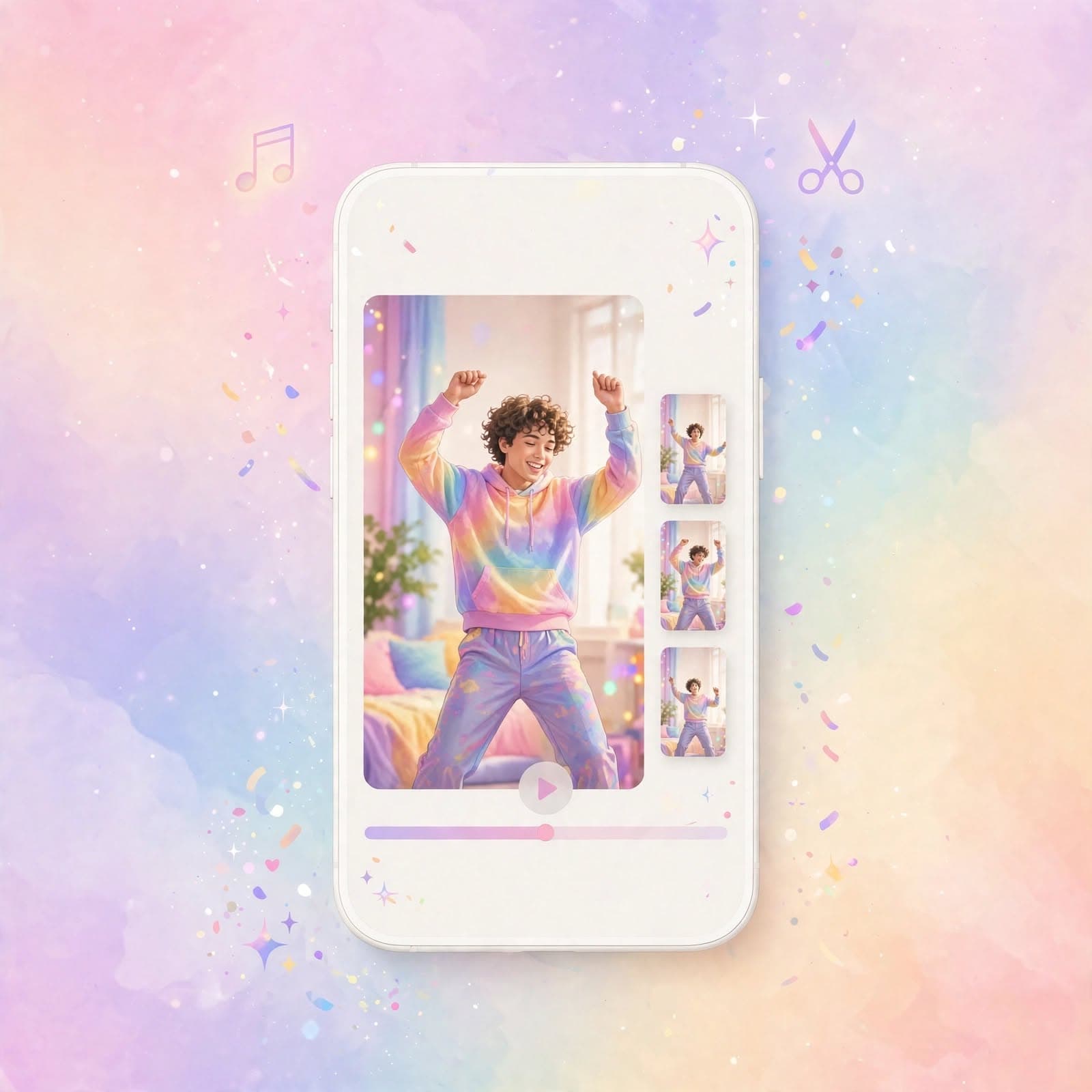



The Real Work Happens Before the First Generation: Fashion Campaign Visual
A search for an AI image generator for fashion generally indicates that the deadline is near. While the reader requires an output, the output itself will need to hold up under the scrutiny of the brand, the platform, and facts.
This tutorial works with an independent label developing capsule collections in three model and geographic variations. It is necessary to test ideas of styling and campaigns without sacrificing garment construction, colors, and fit. That specific scenario helps here, since it imposes the only actual constraint on the process. The generic request allows generating beautiful variations, but it cannot define which fact about the product, detail, claims, or actions from the viewer are vital.
Xelta allows putting together all the image, video, advertising, social media and other relevant creative processes in one platform. The key to using it effectively is linking up the workflow that is proven, keeping the brief short enough to be reviewed, and documenting the corrections made in response to the first attempt. That is why the article considers generation as drafting.
A Working Example: An independent apparel label testing a capsule collection across three model and location directions
Let’s assume that we are working with an independent apparel label which is trying out its new capsule collection in three model and location directions. The team is not asking the AI fashion system to generate a campaign for them. The brand already knows its target audience, offer, approved proof of concept, and location. All they need to do now is to explore different campaign concepts while keeping garment construction, color, and fit intact.
A practical first prompt needs to include information about the subject, what needs to change, what needs to stay constant, the setting, composition, light/motion, final format, and exclusions. In case of this fashion campaign visual, the constant parameters need to be repeated explicitly instead of being mentioned in the paragraph of style description.
Follow the AI fashion model workflow. Generate one baseline output and discard factual and identity errors in favor of correction where you modify only one parameter at once. You will see if your workflow is ready for production and if you were just lucky to get one successful output on the very first try.
All the lessons learned need to be documented. Store the source pack, prompt/script, settings chosen, the rejected result, note with correction, final export and approver’s name.
Define What a Usable Fashion Campaign Visual Must Prove
Prior to accessing the AI fashion image generation tool, establish the criterion the draft should fulfill. The usable result may not necessarily be the final version, but it should be specific enough to allow a reviewer to understand the next correction.
Purpose: What decision should the fashion campaign visual motivate the user to make? Locked facts: What names, prices, features, dates, or visuals must not be modified? Format: In what context would the asset appear, and what are the dimensions, length, or safe zones? Reference strength: Which images, scripts, examples, or other assets of the brand clarify the brief? Review owner: Who is able to reject the result as wrong or off brand? Exit rule: What must be true prior to generating further iterations?
This helps avoid a common pitfall, that of deeming an outcome successful for being professional-looking. A good draft should facilitate making the next decision possible. It should allow understanding whether the brief is clear, whether the tool respects necessary constraints, and whether there is room for a targeted correction without introducing other mistakes.
Create a Small Brief That a Reviewer Can Check
Generate this AI image generator for fashion project after creating a source pack. The source pack should include the information and assets that a reviewer can fact-check, and not just inspiration. The creative direction may evolve through the process, but the approved source material is fixed.
The following is an example of an effective source pack: Approved subject or product. Text to be included in the final image. Visual style reference images. Aspect ratio requirements. Color palette and restrictions. Usage information.
In case an independent apparel brand is trying out a capsule collection for three different model/location directions, the team should clearly classify all sources as locked, preferred, or flexible. Locked sources are fixed, preferred sources will be used as guidelines for the first attempt but may still be adjusted, and flexible sources are meant for experimentation. This way, the feedback will be more exact than "make it better, more premium, or viral."
A Reviewable Production Route From Start to Finish
Open Xelta's AI image generator only after the source pack is stable. The first production pass should be small: one message, one format, and one controlled output. Volume hides errors. A baseline makes them visible.
- Explain one use of the image and the decision that will be made based on the image.
- Get the agreed-upon subject, product, copy, references, colors, and required dimensions.
- Compose the prompt layer by layer, including the subject, environment, composition, lighting, style, format, and exclusions.
- Create a starting point at the correct aspect ratio; don’t try to crop some unrelated composition at a later time.
- Check product identification, anatomy, copy, perspective, reflections, shadows, and background reasoning.
- Change one variable at a time so that the team understands what instruction made the picture worse or better.
- Place text, logos, prices, and legal notices into the design process separately when needed.
- Deliver the final size, review it at 100 percent, and save the prompt, model, reference images, and approval.
This flow produces a helpful history of revisions. In case the first version doesn’t work, the team will be able to determine whether the problem is related to missing facts, unclear instructions, poor references, limited ability of the model, or some other reason for which the task can be done in the editor in a traditional way.
What a Human Reviewer Must Confirm Frame by Frame
Pass in two rounds. Round one checks the output for factual, identity, policy or rights issues. Round two checks the output for hierarchy, relevance, style and audience suitability. A visually appealing output must not proceed to round two in case of a failure in round one.
Identity or subject of the output. Hands, faces, edges, reflections and perspective. Text, labels, prices and logos. Accuracy of color and logic of background. Aspect ratio, cropping and safe zones. Resolution at the intended display size. Permissions, original sources and final clearance.
Test the output in its actual environment. A caption may look fine in a document but fail when placed in a mobile interface. An image of a product may be fine at the thumbnail size but be problematic due to warped packaging when displayed at 100%.
The Tool Can Propose, but the Team Must Decide
While this fashion flow AI image generator can help save the time required to create a reviewable first draft, it cannot validate the accuracy of the source material or the appropriateness of the final use. The product details, the audience promise, brand identity, rights, and publish decision are owned by someone else.
Typical mistakes made in the process: Using poor quality or incorrect reference. Requesting too many edits at once in the prompt. Trusting in generated labels and logos without checking. Upscaling a mistake, thereby making it less obvious. Creating a one-size-fits-all crop from one composition.
Regenerate is preferred when the model did not understand the core message of the prompt or created a composition that does not work as expected. Manual edit is preferred when the fix is a specific edit, such as changing the final copy, aligning the logo, trimming a pause, fixing the crop, or correcting the edges. Abort the flow when there is a lack of information on a factual, legal, medical, financial or permissions issue. No prompt will fix the unapproved claim.
Make the Workflow Easier to Repeat Than to Reconstruct
The final asset is only one part of the deliverable; the decision trail matters too.
For an independent apparel label testing a capsule collection across three model and location directions, save the approved brief, locked facts, source assets, generation or draft instructions, revision notes, final format, rights check, and approver. When the team returns to the campaign, it should be able to reproduce the logic even if it chooses a different model or editing tool.
Use the first project to establish a small operating standard: what must be supplied, what can be generated, what must be checked, who can approve, and which errors require manual work. That standard prevents speed from turning into inconsistency and keeps automation accountable to the actual business task.