




Food visuals need appetite and accuracy
A strong image can still fail if it answers the wrong business question. For ai image generator for food brands, the question is rarely just whether the visual looks polished. The real test is whether it helps restaurant marketers, D2C food founders, cloud kitchens, agencies, menu teams, and local campaign owners create assets for menu photos, delivery app images, launch posters, offer tiles, recipe cards, social ads, and seasonal campaign visuals without damaging trust. That is why Xelta's AI creation platform should be treated as part of a planned content workflow, not a random prompt box. The useful output is a set of images that can be checked, adapted, and published with clear owner notes.
The practical approach is to define the asset job first, then write prompts around the channel, buyer, and review criteria. For ai image generator for food brands, the strongest result is a food visual set that looks appetizing, accurate, and usable across menu, social, and ad placements. Style matters, but it comes after message, source quality, protected details, channel fit, and human review.
The useful answer for food brand image generation
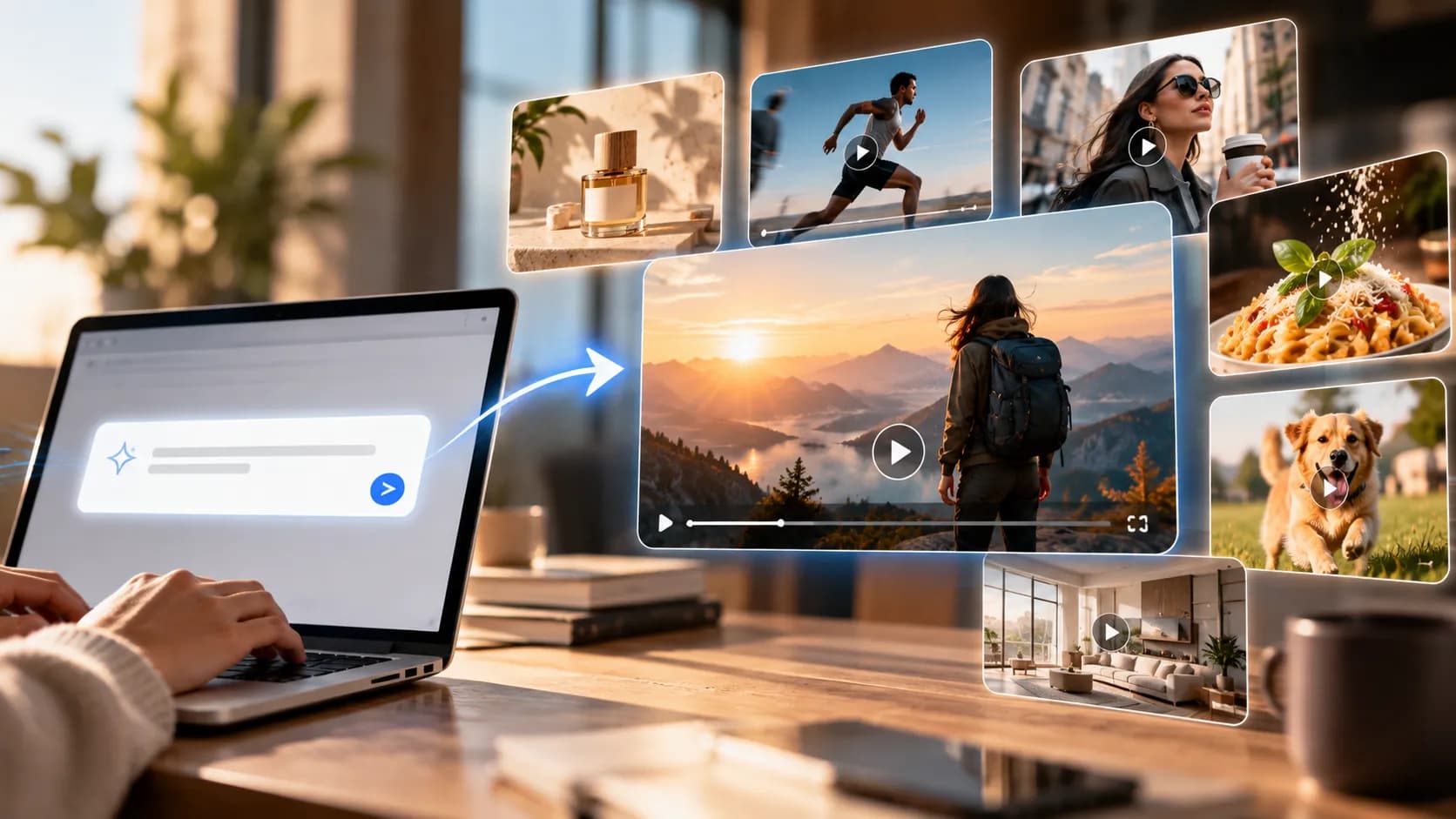
ai image generator for food brands works best when the team prepares the source asset, business context, channel, and review rules before generation. Use an AI image generation workspace to create controlled options from dish photo, ingredient notes, plating style, cuisine context, brand colors, offer angle, crop size, and freshness rules, then approve the asset that fits menu photos, delivery app images, launch posters, offer tiles, recipe cards, social ads, and seasonal campaign visuals. The goal is not one attractive image. It is a repeatable visual system that supports the page, campaign, or content calendar.
Why food visuals fail after they look delicious
The common failure is a mismatch between visual polish and buyer trust. Food image pages fail when they make dishes look unreal, hide portion details, or create visuals that do not match what customers can actually buy. A viewer may like the image and still feel unsure about freshness, portion truth, ingredient visibility, plating style, menu context, and offer clarity. That is a business problem, not only a design problem.
Search intent also matters. Someone searching for ai image generator for food brands usually wants buyer questions, prompt guidance, content formats, limitations, and quality checks. A useful page should answer those questions early, then show how the workflow protects accuracy while still making production faster.
A content model from dish photo to campaign set
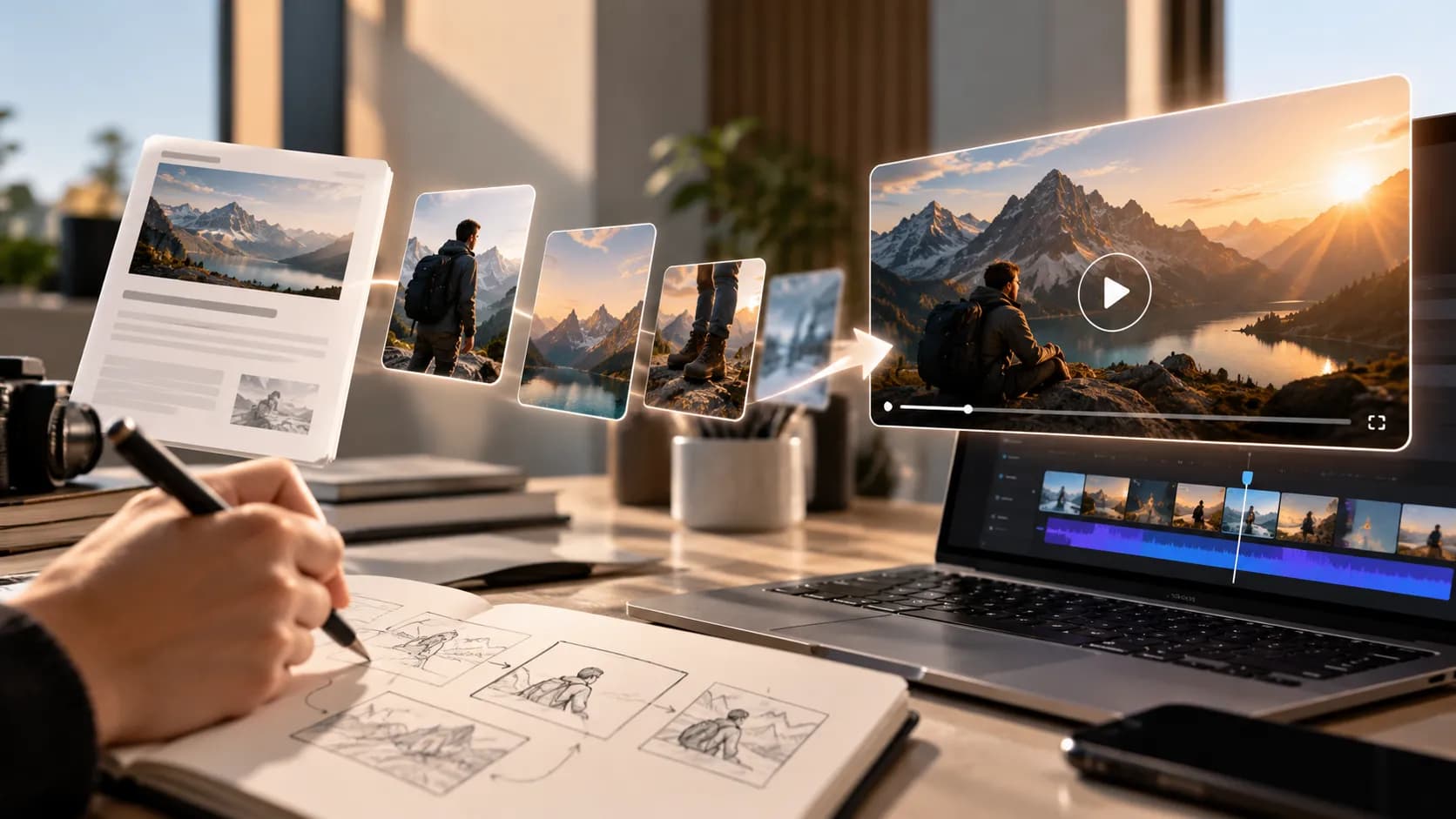
A reliable operating model has five passes. First, define the asset job: explain, reassure, compare, sell, clean up, test, or support a channel. Second, collect the inputs: dish photo, ingredient notes, plating style, cuisine context, brand colors, offer angle, crop size, and freshness rules. Third, set channel rules for crop, background, copy space, image type, and final placement. Fourth, create a small comparison set instead of random outputs. Fifth, review each asset against the buyer question and publishing risk.
This model keeps the work practical. The team can compare routes by clarity, truth, brand fit, consistency, and channel readiness. Save the chosen file, prompt notes, approval status, and selection reason.
Eight review checks before a food visual goes live
- Write the asset job. The input is the page, campaign, or platform goal. The output is one sentence that says what the image must help the viewer understand. Review whether that job is specific.
- Collect the source material. Use dish photo, ingredient notes, plating style, cuisine context, brand colors, offer angle, crop size, and freshness rules. AI output depends on source quality and constraints. The output is a compact creative brief. Review missing facts before prompting.
- Define the final placement. Name the crop, channel, file type, safe area, background need, and copy space for menu photos, delivery app images, launch posters, offer tiles, recipe cards, social ads, and seasonal campaign visuals. Review whether different channels need separate versions.
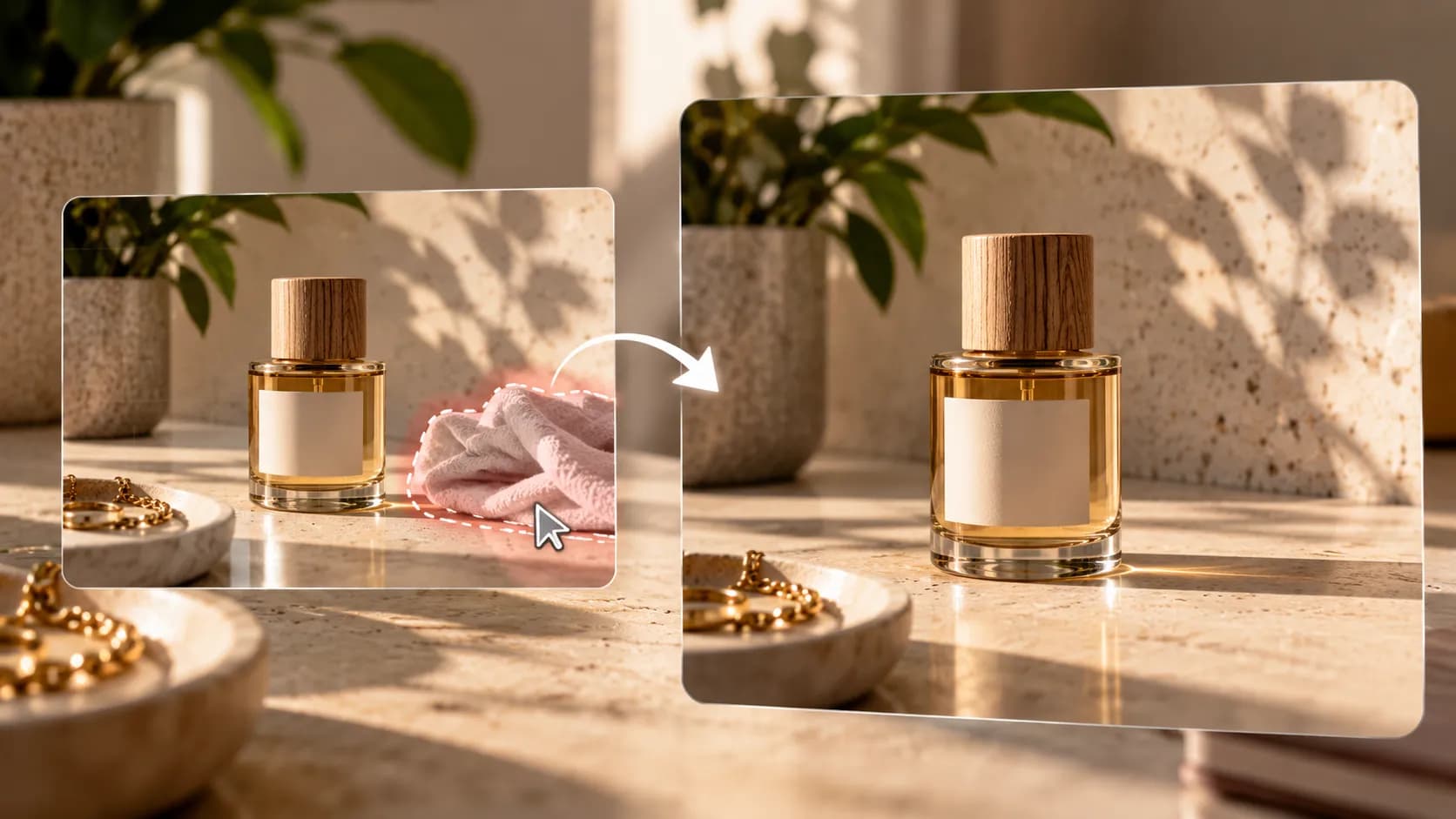
- Protect what must stay true. List details that cannot change, such as identity, packaging, scale, UI, fabric, food texture, headline, claim, or offer. The output is a protected-detail note.
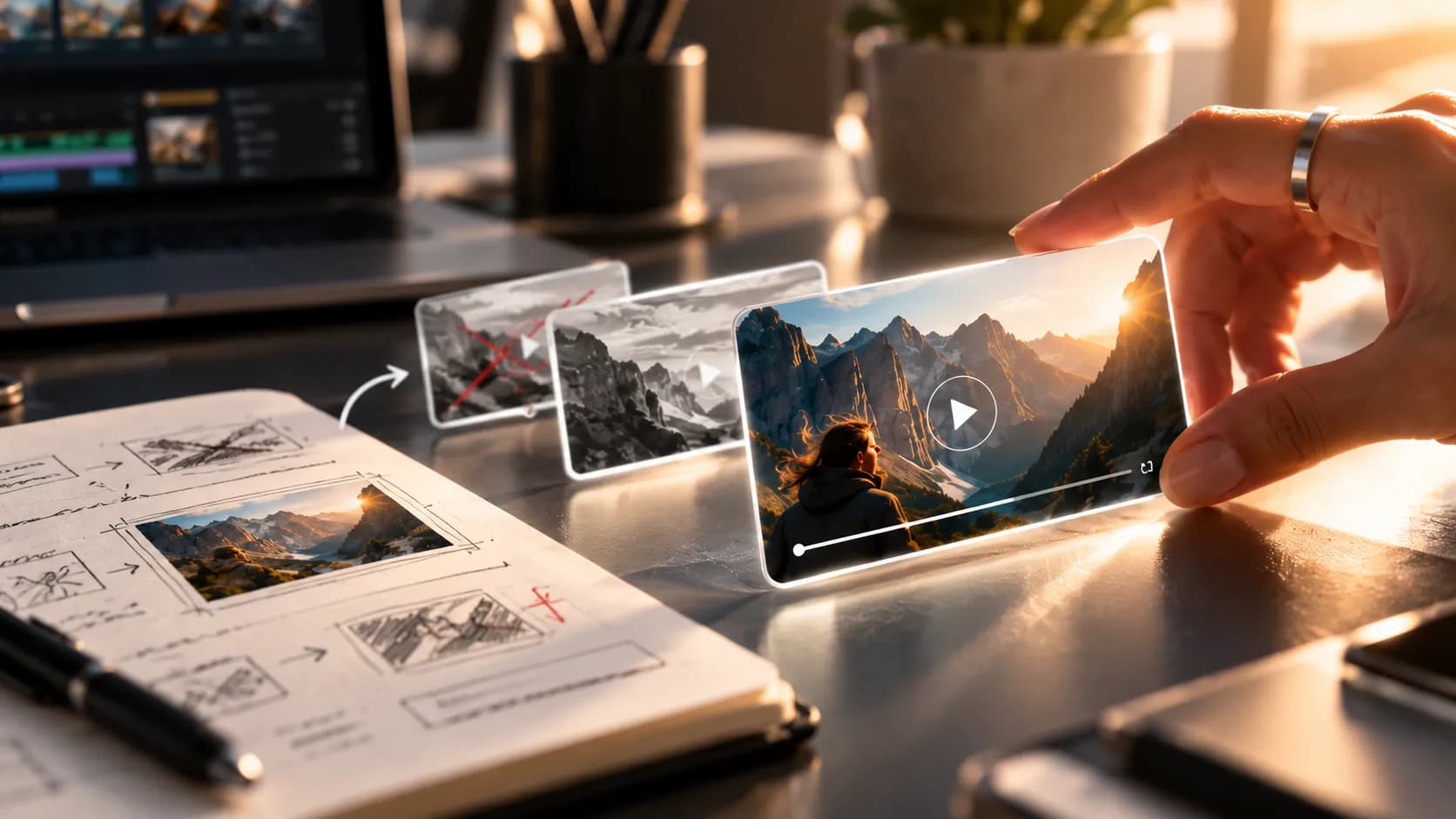
- Create three to five routes. Change one major variable at a time, such as background, styling, angle, proof point, or crop. The output is a comparison set. Review which route answers the buyer question fastest.
- Check accuracy and risk. Look for wrong details, impossible scale, misleading context, distorted text, weak offer visibility, policy risk, or unapproved claims. The output is an edit list.
- Prepare the selected asset. Add crop notes, filename, alt text, usage label, approval owner, and channel notes. The output is a reviewable asset packet. Check it against the original brief.
- Approve, polish, or regenerate. Edit when the direction is right but details are wrong. Regenerate when the model misunderstood the core brief. Next, save the reason the winning route was chosen.
Scenario: one burger launch across delivery and social
Worked scenario: a cloud kitchen creates a burger launch image set for a delivery listing, Instagram story, and weekend discount ad. The first route may look impressive but miss the main buyer concern. The second may fit the style but create accuracy risk. The third may become the best base because it balances clarity, channel fit, and review confidence.
For prompt habits and visual workflow ideas, a team can study Xelta ai image generator for food brands workflow videos and adapt the process to its own approval rules. Treat this as a workflow example, not a case study. Do not claim performance results unless the team has evidence.
Photo shoot, template pack, or AI-assisted food content
| Approach | Best fit | Watch-out |
|---|---|---|
| Traditional shoot or manual design | Final hero assets, sensitive claims, high-risk launches, and exact brand control | Slower when many routes, crops, or page variants are needed |
| Template or one-click tools | Quick drafts and low-risk visual cleanup | Often weak for specific audiences, product truth, channel rules, and campaign context |
| AI-assisted image workflow | Concept routes, product variants, proof assets, search visuals, and repeatable content systems | Needs human review for truth, rights, consent, brand fit, and commercial suitability |
The right choice depends on risk and repeatability. If the asset carries a product claim, human likeness, offer, marketplace rule, or proof point, review matters more than speed.
Mistakes that make food visuals less believable
Common mistakes include writing style-only prompts, ignoring the real placement, approving the first polished image, and skipping details that buyers use to judge trust. Another problem is using the same visual for every channel. A website hero, search ad, feed post, story frame, and retargeting image do not have the same job.
Better habits are straightforward. Keep one job per image. Separate facts from mood. Save accepted and rejected examples. Review the file at publishing size. Assign a human owner for final approval. These habits make ai image generator for food brands useful for business content instead of one-off experimentation.

Where Xelta fits for food brand visuals
Xelta fits after the team has a clear message and before final asset approval. The user brings dish photo, ingredient notes, plating style, cuisine context, brand colors, offer angle, crop size, and freshness rules and uses the platform to explore visual routes around the same business goal. For this topic, the food content workflow gives the workflow a more specific next step than a broad image prompt.
Human review still matters. Reviewers check product truth, likeness, rights, brand consistency, platform fit, text, and any claim implied by the image. Xelta is strongest when it helps create controlled options while the team keeps judgment and approval.
What a food image workflow should feel like
A useful workflow should feel organized. The team should be able to start from a brief, create options, compare versions, and record why one direction was chosen. The tool should not force the user to rewrite the whole idea after each draft.
For ai image generator for food brands, the best experience keeps the subject, format, and review criteria stable while testing composition, background, lighting, cleanup, proof angle, or style. That gives creators speed without losing control.
Search and GEO notes for food image pages
A page targeting ai image generator for food brands should answer the practical question near the top, then explain use cases, inputs, output checks, limits, buyer criteria, and review signals. Use the keyword naturally in the title, opening copy, one or two headings, image alt text, and FAQs. Do not repeat it mechanically.
For GEO and AI answer visibility, write clear answer passages that summarize the workflow in plain language. Add comparison criteria, examples, internal link logic, and review checklists so the page can be cited or summarized without losing the useful detail.
Trust checks for menu and campaign visuals
Trust comes from showing the method and avoiding fake proof. A credible article can describe inputs, review steps, example workflows, and common risks without inventing conversion lifts, customer results, savings numbers, or guaranteed ranking outcomes.
For visual work, the trust checklist is clear: approved input, protected facts, consent or rights check when people are involved, review owner, version history, claim review, brand review, and final export notes. That method beats broad promises.

Make the dish clear before the style
The strongest ai image generator for food brands workflow is not the fastest prompt. Start with the use case, protect what must stay true, create a small set of routes, and review the winning asset in its real placement.