




A practical starting point for ai image generator for social media
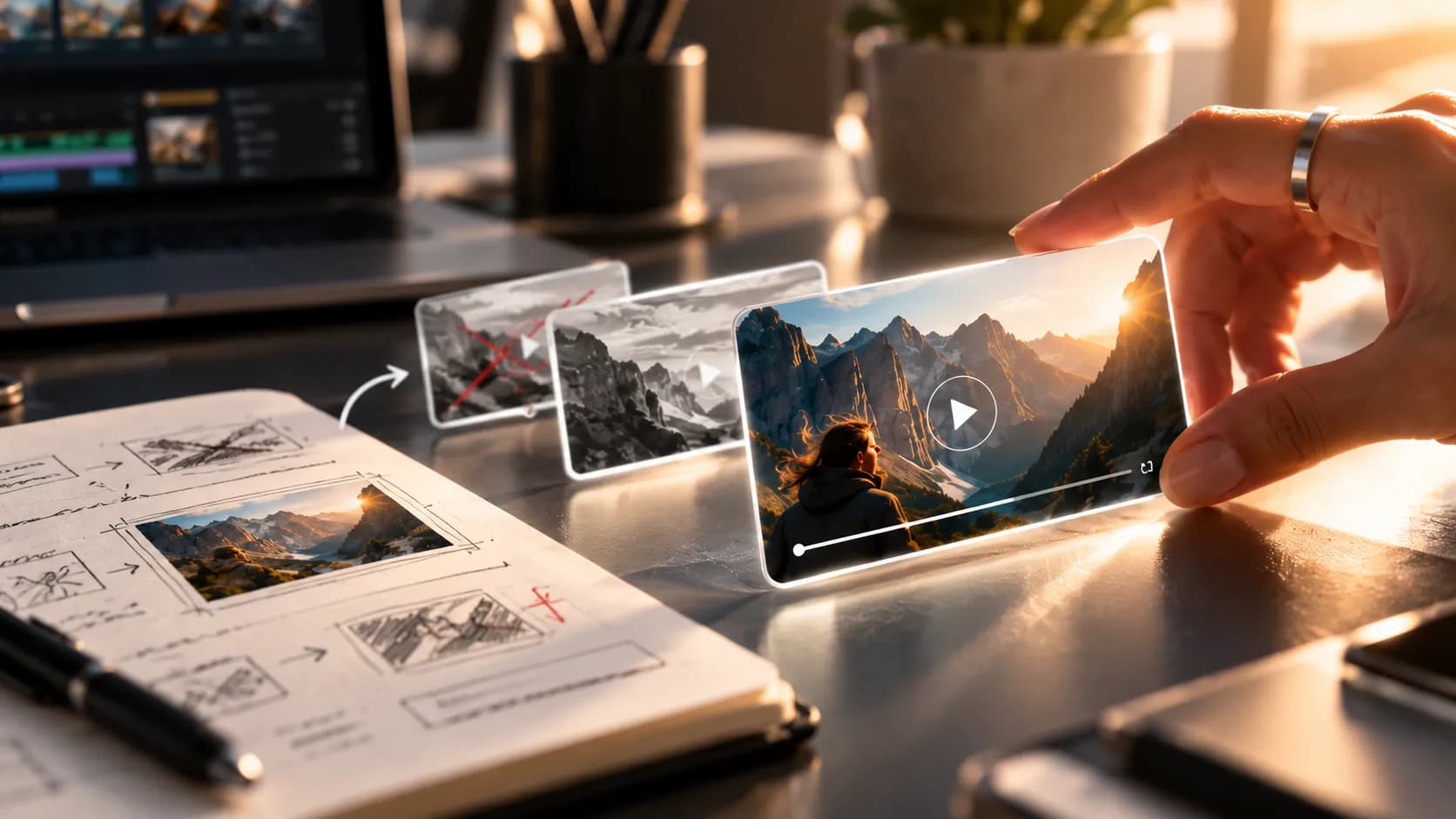
A strong visual brief can fail for a boring reason: the image looks polished, but it does not answer the buyer's question. That is why Xelta's AI creation platform should be treated as part of the content workflow, not as a novelty image tool. The useful output is not just a pretty frame. It is a visual that supports Instagram, LinkedIn, Facebook, YouTube thumbnails, ads, and landing pages and can survive brand review.
For ai image generator for social media, the better approach is simple: define the job of the image, write a brief around that job, generate multiple directions, then review accuracy, channel fit, and search context before publishing. Social media managers, creators, agencies, and small business marketers need images that explain, sell, or guide action. Style still matters, but it should come after message, subject, and use case.
The practical answer for social media visuals
ai image generator for social media works best when the user starts with a specific content goal, not a loose style request. Use an AI image generation workspace to turn a brief into controlled visual options, then review subject accuracy, crop, copy space, and channel fit. The strongest result is a reusable image set, not a single lucky output.
Why social images need channel context before style
Social visuals that look good alone but do not connect to the campaign journey is the pattern to avoid. A visual can have premium lighting, sharp contrast, and modern composition while still being useless for a campaign. The reason is usually a weak brief. The creator asks for a style but forgets the audience, product detail, placement, or decision the image should support.
For social media managers, creators, agencies, and small business marketers, the image has to do operational work. It may need to show scale, make a benefit clear, separate a product from the background, or fit a strict platform crop. If those constraints are not written down before generation, the team spends more time arguing about taste than improving the asset. A practical benchmark is to request three to five directions from one approved brief, then narrow the set by usefulness.
A social visual workflow from content angle to platform pack
The workflow should start with post goal, platform, caption angle, audience, image ratio, and brand rules. That input gives the model a smaller target and gives the reviewer a real checklist. Next, define the image job in one sentence. Is it a hero visual, proof image, category thumbnail, carousel opener, educational graphic, or retargeting creative? That choice changes composition, amount of detail, text space, and crop.
A good operating model has four passes: brief, generation, selection, and approval. During the brief pass, the team writes the subject, setting, style guardrails, channel, and exclusions. During generation, they produce variations without rewriting the whole concept each time. During selection, they compare images against the job. During approval, they check brand fit, product truth, and publishing risk. The output should be a social visual pack with crop notes, hooks, alt text, and platform labels.

Seven steps for ads, landing pages, and social images
- Write the image job first. The input is the campaign goal and channel. The output is one sentence that says what the image must make clear. Review whether the image job is measurable by a human.
- Collect source details. Use product notes, audience context, brand guidance, and references. The output is a compact brief that removes guesswork. Review missing facts before prompting.
- Define composition. Specify subject position, background, camera angle, copy space, crop, and mood. The output is a prompt that controls layout, not just style. Review whether the crop fits the intended placement.
- Generate several directions. Keep the core brief stable and change only one variable at a time. The output is a comparison set. Review which option explains the idea fastest.
- Mark accuracy issues. Check product shape, colors, labels, scale, room logic, and visual realism. The output is an edit list, not a final image. Review anything that may mislead a buyer.
- Prepare channel versions. Crop or reframe for Instagram, LinkedIn, Facebook, YouTube thumbnails, ads, and landing pages. The output is a small asset pack. Review whether each format still shows the main subject clearly.
- Add publishing context. Write alt text, filename notes, captions, and internal usage labels. The output is a searchable asset record. Review consistency with the page or post.
- Approve or regenerate. Decide what can ship, what needs design cleanup, and what should be regenerated. The next step is human approval before publishing.
A worked scenario for ai image generator for social media
Consider a social manager turning one weekly campaign idea into multiple platform images. The team begins with one message, one audience, and one channel. The first image direction may show the subject clearly but miss the brand tone. The second may have a better setting but weak copy space. The third may be the best campaign base because it leaves room for a headline and keeps the product or idea readable.
The useful comparison is not which image looks most artistic. It is which one can become a working asset with the least cleanup. For learning loops, a team can also watch Xelta social content walkthroughs and use the ideas to improve how they brief, review, and iterate. Keep the example labeled as a scenario unless first-party performance evidence is available.
One-off social graphic versus connected campaign visuals
| Approach | Best fit | Watch-out |
|---|---|---|
| Stock image search | Fast filler images and broad editorial needs | Limited originality and weak product specificity |
| Manual design | Final brand systems, polished campaigns, and complex layouts | Slower when many variations are needed |
| AI-assisted image workflow | Concept routes, campaign variants, and reusable visual testing | Needs careful prompt control and human review |
The right choice depends on risk. If the image represents a real product, property, or technical claim, review matters more than speed. If the asset is used for early concepting, AI-assisted production can explore more directions before a designer commits
Social image mistakes that weaken the campaign journey
Common mistakes include asking for a vague style, using too many adjectives, ignoring crop, skipping product checks, and publishing the first attractive image. Another issue is treating all channels the same. A landing page hero image needs a different frame from a square social post or a small marketplace thumbnail.
Best practices are more practical. Write one job per image. Keep product facts separate from mood words. Ask for variations around composition rather than random style changes. Name the audience in the brief. Keep a rejection list for errors that appear often. Save the best prompt and the reason it worked. These habits reduce noise and make the next generation easier to judge.

Where Xelta fits in social image production
Xelta fits after the team knows the message and before the final design review. A user can bring post goal, platform, caption angle, audience, image ratio, and brand rules and use the platform to explore visual routes for feed posts, story graphics, ad stills, landing page visuals, and carousel frames. The repetitive work becomes easier because the team can produce, compare, and refine multiple image directions around the same business goal.
Human judgment still matters. Reviewers should check brand accuracy, visual realism, claims, usage rights, text inside images, and whether the asset matches the page or campaign. The platform is strongest when the user gives it a clear brief and treats the first draft as a starting point. Weak source assets, unclear instructions, or highly technical claims can still require extra review.
From weekly campaign idea to social visual pack
Input: post goal, platform, caption angle, audience, image ratio, and brand rules. Action: choose an image-focused workflow, enter the visual direction, and define the intended channel. First draft: a set of images that show the subject, mood, and basic layout. The first draft may need refinement. Iteration: adjust the setting, crop, object placement, lighting, or level of detail. Compare outputs against the original image job. Human review: check brand fit, factual accuracy, product or scene realism, legal sensitivity, and final publishing decisions. Final use: approved visuals can support Instagram, LinkedIn, Facebook, YouTube thumbnails, ads, and landing pages once the team has documented usage notes and review status.
Image SEO, social metadata, and platform discovery checks
Image SEO should be planned before export. Use descriptive filenames, natural alt text, consistent captions, and page copy that explains the visual. For GEO and LLM discovery, connect the image to the query it answers. A visual for ai image generator for social media should not be isolated from the surrounding explanation. It should sit near relevant headings, describe the asset in plain language, and support the same intent as the page.
Useful alt-text ideas include: 'ai image generator for social media example for campaign planning', 'feed posts generated from a structured brief', 'visual variations for Instagram', 'brand-safe AI image review checklist', and 'approved image set with crop and channel notes'.
A review method for brand-safe social visuals
The trust method is simple: separate inspiration from proof. Do not label hypothetical images as case studies. Do not invent results, customers, or performance numbers. If a statistic or verified case is used, cite the original source. If no evidence is supplied, describe the example as a scenario. For sensitive uses, add a review step for claims, identity, privacy, and compliance.
An expert review should ask four questions: does the image match the brief, does it represent the subject honestly, does it fit the channel, and does the surrounding page explain it clearly? If the answer is weak, regenerate or send the asset to a designer before publishing.

Treat social images as campaign assets, not fillers
Good ai image generator for social media work starts with the job of the image and ends with a reviewed asset, not with a random style prompt. Use AI to explore directions, then use human review to protect accuracy and brand trust. If this topic matches your next content sprint, start with the SocialVerse content workflow and build one focused image workflow before expanding into a larger campaign.