





AI Profile Picture Generator Examples That Show Where the Workflow Breaks
The profile picture often fails long before anyone reaches the export button. Creators, community managers, personal brands, hiring teams, and small businesses evaluating profile-image workflows often discover the problem only after a candidate reaches a real crop, review meeting, or publishing surface. For ai profile picture generator, the Xelta creator workspace can support a controlled process built around a clear brief, bounded changes, and human approval.
Treat ai profile picture generator as a production decision rather than a novelty effect. The target is a profile picture that remains recognizable and credible at small size instead of breaking at the source, crop, generation, edge, or publishing stage. Protect identity, expression, hair shape, eyewear, skin tone, clothing cues, logo accuracy, account positioning, and the focal relationship between face and frame, then test the result in the exact context where a viewer, shopper, client, or collaborator will interpret it.
A workflow diagnosis should locate the first broken stage instead of treating every bad output as a model failure. A repeatable ai profile picture generator workflow connects the source, instructions, candidate, review notes, approval, and final use so the team can improve the process instead of guessing again.
The Workflow Usually Breaks Before the Final Export
The fastest diagnosis is staged: An AI profile picture generator workflow usually fails at one of five points: weak source quality, unclear identity constraints, a vague style brief, poor crop planning, or approval at the wrong size. Test candidates in the real circular or square frame and fix the earliest broken stage instead of regenerating without a diagnosis. Use the AI image generation workspace to preview profile crops before approval.
Five Failure Points Behind a Weak Profile Picture
Review the workflow as a chain: source, identity brief, generation, crop, edge, and final-size approval. The final asset must preserve identity, expression, hair shape, eyewear, skin tone, clothing cues, logo accuracy, account positioning, and the focal relationship between face and frame. Write those items as non-negotiables before any ai profile picture generator generation begins. For ai profile picture generator, this makes review faster because the team knows which changes are creative options and which changes are failures. Next, define the evidence reviewers will use. Score identity match, crop resilience, thumbnail recognition, edge cleanliness, contrast, expression, brand fit, and the number of corrections needed. Set an approve, revise, and reject threshold before viewing candidates. Fixing a late-stage crop problem will not rescue a source image that never contained enough identity detail.
Start With Account Purpose, Not a Visual Style
Create a breakpoint log that names the earliest stage where quality drops. The input pack should contain a high-quality source portrait, account purpose, platform crop, identity references, background direction, brand palette, small-size preview, and clear failure labels. The ai profile picture generator input pack should name the final use, the owner of approval, and the details that cannot be inferred safely. For ai profile picture generator, a specific destination narrows composition, crop, identity, garment, color, disclosure, and export decisions. The expected outputs are a source-quality report, candidate set, circular and square previews, edge close-ups, a failure log, approved master, and channel-specific export. Keep them beside the source and revision note.

A Seven-Stage Route From Source Check to Small-Size Proof
- Audit the source at full size. For ai profile picture generator, use the approved inputs to create a source record; review it before continuing. 2. Write identity and account constraints. For ai profile picture generator, use the approved inputs to create a constraint sheet; review it before continuing. 3. Generate one controlled style direction. For ai profile picture generator, use the approved inputs to create a bounded test brief; review it before continuing. 4. Preview square and circular crops. For ai profile picture generator, use the approved inputs to create a candidate set; review it before continuing. 5. Inspect hair, eyes and shoulder edges. For ai profile picture generator, use the approved inputs to create a defect log; review it before continuing. 6. Log the first breakpoint. For ai profile picture generator, use the approved inputs to create a destination proof; review it before continuing. 7. Repair that stage before another run. For ai profile picture generator, use the approved inputs to create a approval handoff; review it before continuing. Run the route on a creator updating a profile image across Instagram, YouTube, a community forum, and a speaker page while keeping the same recognizable identity. Keep one major variable stable during each iteration, record the changed instruction, and reject any candidate that damages identity, expression, hair shape, eyewear, skin tone, clothing cues, logo accuracy, account positioning, and the focal relationship between face and frame.
Examples of Face Drift, Crop Loss and Background Noise
Profile-image defects often become obvious only inside the tiny final frame. Common ai profile picture generator failures include low-resolution source damage, face drift, eye asymmetry, clipped hair, haloed shoulders, unreadable logos, distracting backgrounds, poor circular crops, and outputs approved only at full size. Each ai profile picture generator defect should trigger a named action: repair a local area, clarify the brief, change the source pairing, use a safer method, or reject the candidate. Best practice is different from correction. Test the circular crop at actual display size and repair the earliest weak stage before changing the whole prompt. Update the ai profile picture generator checklist after each review so the same failure is easier to catch next time.
Edit the Portrait, Generate a Version or Book a Shoot
A profile image can be repaired, regenerated, photographed, or represented as an avatar: editing an existing portrait, generating a new styled portrait, using an avatar, commissioning photography, and repairing a source that is already too weak. Compare the ai profile picture generator options by source requirements, control, correction effort, evidence risk, repeatability, and finishing skill. Use the lowest-risk route that meets the actual brief. Automation can add value to ai profile picture generator when the task is bounded and repeatable.
Where Xelta Fits in Profile-Image Iteration
Xelta fits after the source and first workflow breakpoint have been documented. A user can begin with a high-quality source portrait, account purpose, platform crop, identity references, background direction, brand palette, small-size preview, and clear failure labels and create a small ai profile picture generator comparison that can be judged against identity match, crop resilience, thumbnail recognition, edge cleanliness, contrast, expression, brand fit, and the number of corrections needed. The first ai profile picture generator output is a candidate, not an automatic final asset. The platform can make planned variation and comparison easier for people and teams that can define account purpose, identity constraints, crop requirements, and a small-size pass condition before generating.
From One Source Photo to Circular and Square Proofs
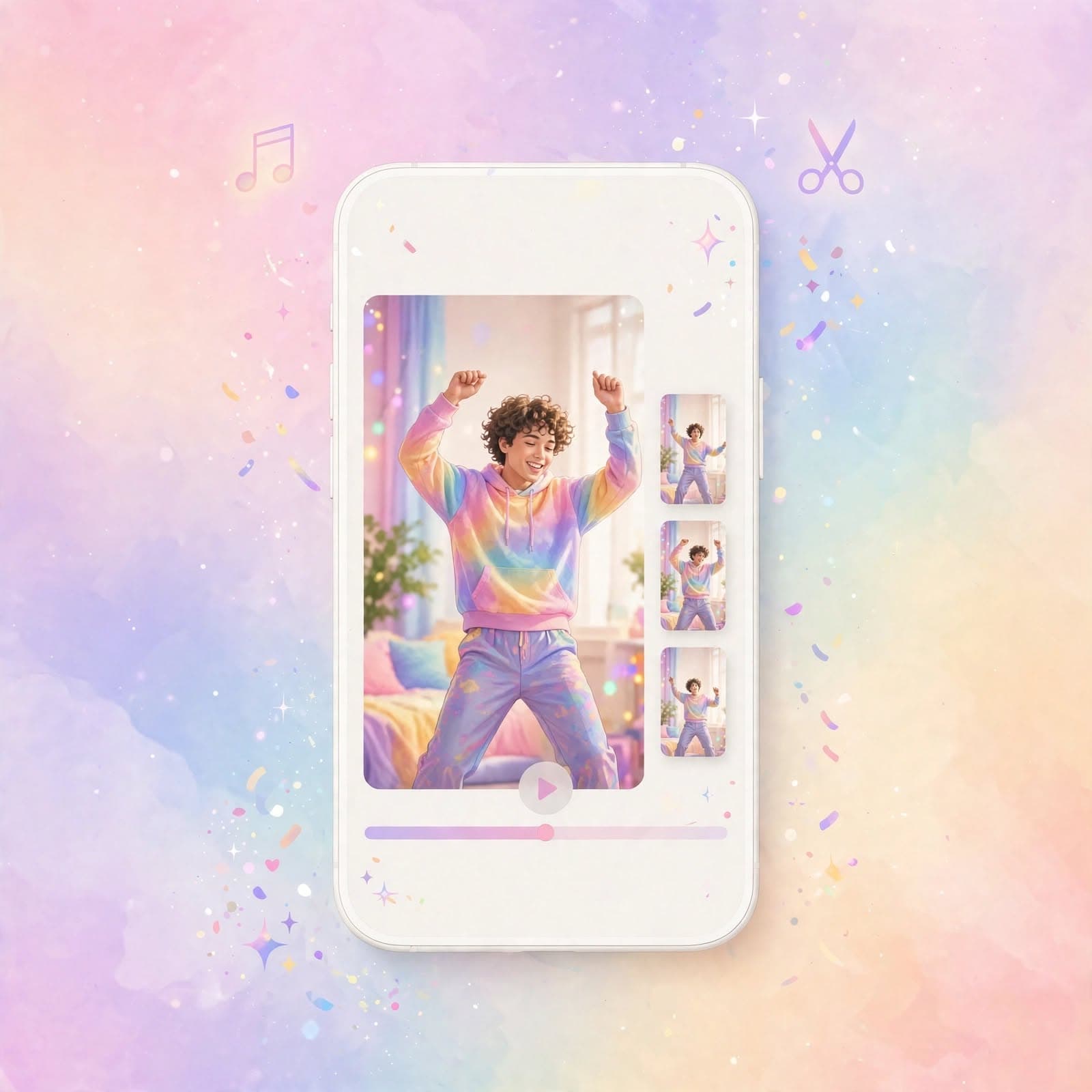
Input: a high-quality source portrait, account purpose, platform crop, identity references, background direction, brand palette, small-size preview, and clear failure labels. Action: start from the strongest portrait, produce a restrained profile-image direction, and preview it in the final frame. First draft: a square master plus circular and small-size previews that expose crop and recognition problems. Iteration: improve the source, tighten identity instructions, simplify the style, or rebuild the crop before another full generation. Human review: source quality, identity, expression, hair edges, circular crop, background noise, logo accuracy, and account fit. Final use: a source-quality report, candidate set, circular and square previews, edge close-ups, a failure log, approved master, and channel-specific export.
The repetitive advantage in ai profile picture generator is faster comparison, proof creation, and planned versioning. The ai profile picture generator learning curve is source selection, boundary control, and writing reviewable instructions. Users should expect that a generator cannot recover reliable identity from a tiny source, guarantee exact logos or text, choose the correct professional signal, or resolve consent and impersonation questions. The Xelta profile image learning resources can support broader learning, while each team still applies its own ai profile picture generator brief, evidence, and approval rules.
Identity, Accessibility and Platform-Safe Publishing
A profile-picture example becomes useful when the article labels the failure stage instead of presenting only attractive outputs. Save the source, input brief, changed variable, candidate, reviewer, decision, and known limitation. That ai profile picture generator record supports editorial accountability without implying direct testing of every person, garment, product, or physical outcome. The ai profile picture generator method is based on bounded inputs, comparable outputs, destination proofs, and named human approval. Label examples by their failure stage and write alt text for the approved final composition, not for the tool interface.
A Breakpoint Scorecard for Every Candidate
Score every candidate at the breakpoint where the workflow is most likely to fail. The passing check is: source sufficient; identity brief clear; crop passed; edges clean; small-size proof passed; first breakpoint fixed; approved file named. Record the exact reason for each failure so the next ai profile picture generator brief can improve. Track one ai profile picture generator operational measure, such as correction minutes, revision rounds, approval delay, candidate rejection rate, or asset reuse.
Fix the Earliest Failure Instead of Regenerating Blindly
A strong profile image comes from fixing the earliest weak stage, not generating more versions of the same unresolved problem. Start ai profile picture generator with one real assignment, use the brief and destination proof, and complete the full approval cycle before scaling. Keep the source, rejected candidates, review notes, and final decision together so the next ai profile picture generator project begins with evidence instead of memory.
For a controlled next step, use the Instagram profile picture workflow with a narrow brief and a named reviewer. The aim of ai profile picture generator is not to remove every manual decision. The ai profile picture generator goal is easier repeated production while the final asset remains accurate, useful, and appropriate for its audience and channel.