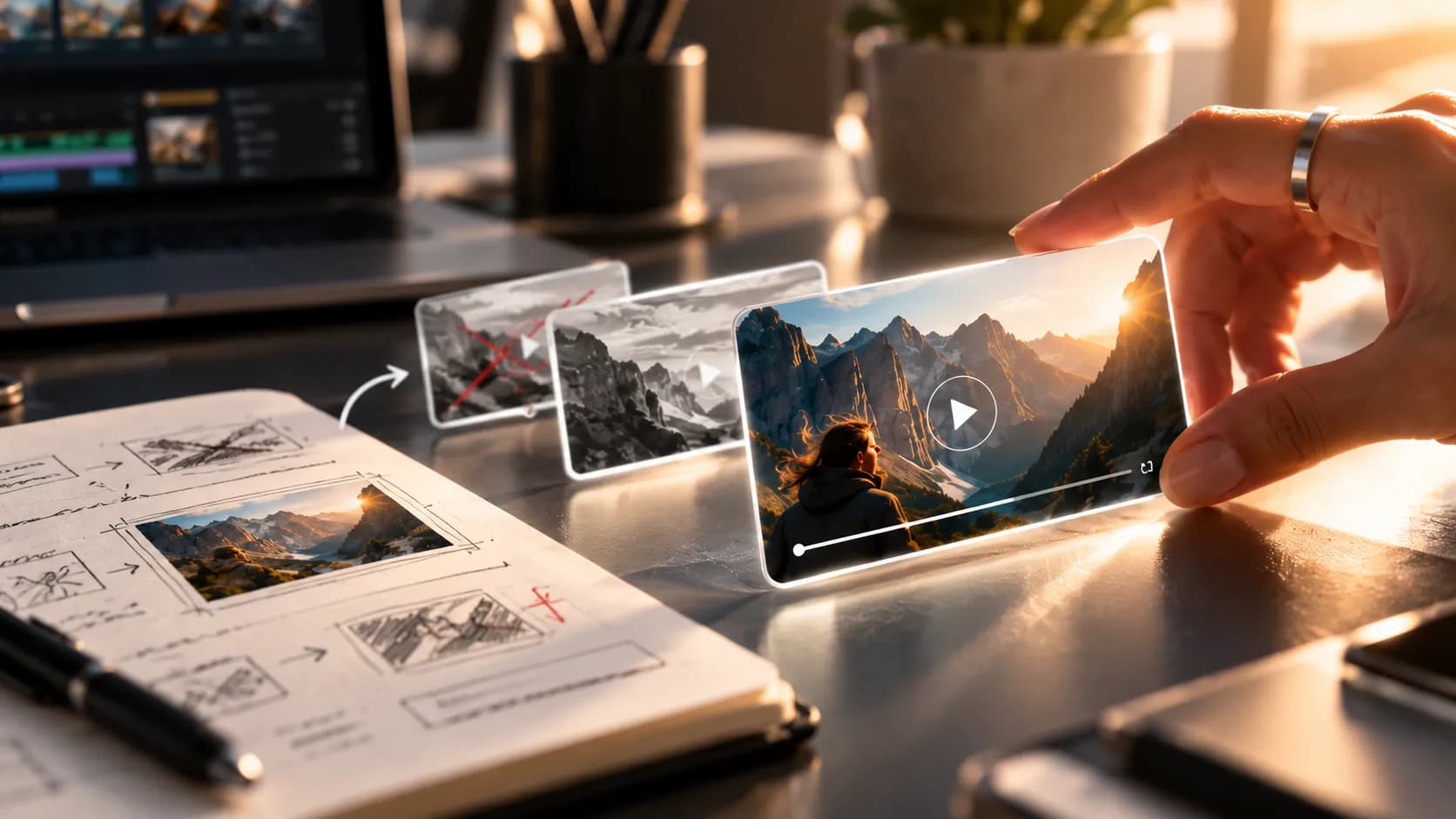







AI Video Generator Commercial Use Examples That Show Where the Workflow Breaks
A video workflow can look promising on the surface and still waste a full day in review. The issue is rarely the tool alone. It is usually the brief, the source asset, the approval path, or the format decision. For marketing teams, Xelta AI creation platform is most useful when it sits inside a clear production plan instead of replacing the plan.
The practical answer is simple: use ai video generator commercial use only after the team has defined the audience, message, asset type, review owner, and publishing channel. A strong workflow starts with one sharp creative direction, then turns it into controlled drafts, not random clips. That matters because a video that looks impressive can still fail if the offer is unclear, the audio feels off, or the export cannot be used in a real campaign.
The Practical Answer for Ai Video Generator Commercial Use
Ai Video Generator Commercial Use works best when it is treated as a production workflow, not a magic prompt box. Start with a short brief, add reference assets, create a first draft with an AI video generator, then review motion, audio, brand fit, and usage needs before publishing. The best result is a cleaner draft system that reduces rework.
The Real Decision Behind Ai Video Generator Commercial Use
The search behind this topic is not just a tool search. It is a risk check. A user wants to know whether the output can support real marketing work without creating new problems. That includes avoidable rework, weak scene logic, generic visuals, poor audio timing, or assets that cannot pass brand review.
A good decision starts by separating three questions. First, what kind of video is needed? Second, what input will control the result? Third, who will approve the final export? When these answers are missing, the tool gets blamed for mistakes that came from the process.
The safest buyer or creator mindset is to test the workflow against a real use case. Do not judge it only by a beautiful demo. Ask whether it can support a product teaser, paid ad, sales clip, training asset, or social post with the right aspect ratio and a clear review trail.
A Working Model From Brief to Review-Ready Video
A reliable AI video workflow has four parts: brief, generation, review, and reuse. The brief defines the message, audience, platform, visual style, source assets, and claims that need approval. Generation turns that brief into draft scenes. Review checks the draft against brand, legal, product, and publishing needs. Reuse turns the approved direction into shorter cuts, thumbnails, captions, or new hooks.

A Seven-Step Workflow for Marketing Teams
Step 1: write a one-page brief. Include the viewer, offer, scene idea, format, length, and action you want the viewer to take. The output should be a brief that a reviewer can understand without a meeting.
Step 2: collect source material. Add product images, brand colors, tone notes, example scenes, approved claims, and any voice or script direction. Weak source material creates weak control.
Step 3: create one focused draft. Do not ask for five different ideas at once. Build the main scene first, then review whether the visual direction matches the job.
Manual Production, Free Tools, and AI-Assisted Workflows Compared
A manual shoot gives the team the most control when the scene must be exact. It is still the right choice for complex product claims, live talent, or brand campaigns where every frame needs planning. The cost is time and coordination.
Free tools can help with early exploration. They are useful for testing a style, learning prompt behavior, or creating internal drafts. The risk is that a free export may not match the quality, rights, format, or watermark needs of a commercial workflow.
An AI-assisted workflow fits the middle. It can help marketing teams produce more drafts and variations, but it still depends on a clear brief and review process. The best choice is not the tool with the loudest promise. It is the workflow that can move from idea to approved asset with fewer surprises.
Where This Workflow Usually Breaks
The first common mistake is starting with a vague prompt. Words like premium, viral, stunning, and cinematic do not explain the product, audience, camera movement, or reason to watch.
The second mistake is reviewing only the best-looking frame. Video quality includes motion, sequence, audio, pacing, captions, and the final action. A polished still frame can hide a weak clip.
The third mistake is scaling too early. If the first approved direction is not documented, every new variation becomes a fresh guessing game. Teams then create more assets but do not get faster.
The fourth mistake is ignoring usage context. A video for a landing page, Reel, product page, or sales email needs different pacing. One export should not be forced into every channel.
Review Rules That Keep the Asset Usable
Use a checklist before final export. Confirm the hook, product message, visual accuracy, audio clarity, caption readability, aspect ratio, file naming, landing page fit, and approval owner. This review can be short, but it must be consistent.
Keep prompt notes close to the final asset. A good note explains what input was used, which scene worked, what failed, and what should be changed next time. This makes team handoff easier and reduces repeated mistakes.
Create a small approved asset library. Save reference frames, winning hooks, brand-safe phrases, and rejected examples. Rejected examples matter because they teach the team what not to repeat.
Treat AI output as a draft until a human approves it. That single rule protects the brand from overclaiming, strange visuals, mismatched tone, and content that does not match the offer.

Where Xelta Fits Into the Brand-Safe Commercial Video Process
Xelta fits after the team has a brief and before the final editing or publishing step. A user can bring a script, product image, campaign angle, or reference style, then explore video drafts and variations around the same goal. For this topic, the most relevant next step is the commercial-use video checklist because it keeps the workflow tied to a specific video need.
The useful role is not to promise a perfect first export. It is to help a team move from one idea to several reviewable directions without rebuilding the whole asset from scratch. A marketer may test hooks. A founder may turn a product feature into a demo-style clip. A creator may build a short scene from a written concept.
Human review still matters. Product claims, brand tone, rights, captions, voice, and final publishing choices should be checked by the team before the video goes live.
What the First Creation Session May Look Like
A first session can start with a simple campaign brief: audience, promise, format, length, and the one visual moment that should make the viewer stop. The user would typically choose a video workflow, add the prompt, include reference assets if available, and create one draft direction.
The first useful draft may show the core scene, but it may not be final. The team can adjust the opening shot, change visual style, shorten the script, create another aspect ratio, or test a more direct hook. If the source image is weak or the prompt mixes too many ideas, the output may need several attempts.
The workflow advantage is variation. Once the team finds a usable direction, it can create alternate versions for paid ads, organic posts, landing pages, or sales follow-up. The learning curve sits in prompt writing, model choice, and knowing when to regenerate versus edit. The best-fit user is a team that wants controlled creative output, not one-click publishing without review.
Publishing, SEO, and LLM Visibility Checks
Publishing should connect the video to a clear page or campaign. Use a title, caption, thumbnail, transcript, and landing page that match the viewer's intent. If the clip supports a blog, product page, or ad campaign, the surrounding copy should answer the same question the video raises.
For SEO and LLM visibility, write descriptive filenames, image alt text for thumbnails, clear captions, and page copy that explains the asset. Do not rely on the video alone to carry the full message. Search systems and AI answer engines need surrounding context, not just a media file.
Teams that want examples or learning content can also follow Xelta video creation updates and tutorials as a separate learning path while keeping the article workflow focused on their own brief and approval system.
Trust Notes, Limits, and Human Review
This article uses the uploaded spreadsheet row as the metadata source and the uploaded Xelta sitemap as the internal-link source. It avoids invented statistics, fake case studies, pricing claims, and unsupported product promises.
The guidance is editorial and workflow-based. It does not provide legal advice about commercial rights, platform policy, or likeness usage. Any campaign involving regulated claims, third-party logos, real people, voice likeness, copyrighted material, or sensitive categories should receive proper human review before publishing.
The author name is provided as a content attribution field only. No extra credentials or product testing claims are added because they were not supplied.

Build a Cleaner Video Workflow Before You Scale
A better video workflow starts before generation. Define the message, prepare the inputs, create one focused draft, review it with a checklist, then scale the winning direction into useful variations. That is how marketing teams can reduce avoidable rework and make AI video output easier to approve.
If the next asset needs a cleaner path from brief to draft, start with the topic-specific workflow above and keep every export tied to a real publishing goal.