



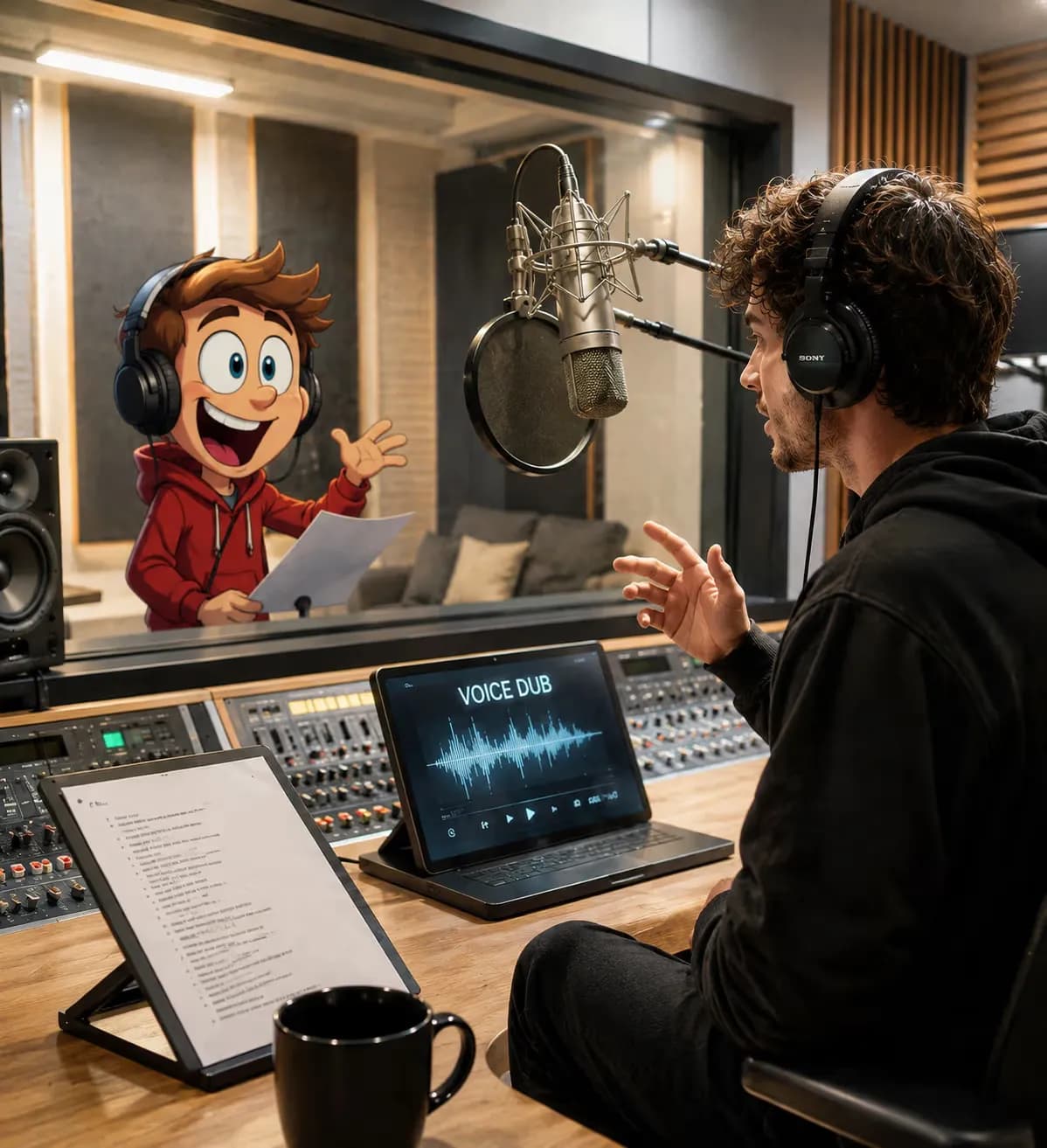



A Good Result Begins With One Decision the Asset Must Support: TikTok Video Workflow
The hard part about the AI video generator for TikTok is not in getting that first video output, but rather, deciding if that output is accurate enough, editable enough, and specific enough for your needs.
The example case in this guide is a hypothetical mobile accessories company trying out three product ideas that feel native to the platform without taking the identity of an existing TikTok creator. In this scenario, the goal is to create platform-specific videos while considering claims, music rights, disclosures, and product accuracy. It is important to note that this narrow example gives a meaningful constraint to the workflow process. A broader request might give you some nice variations to choose from, but would be unable to decide on what product fact, what visual, what claim, and what user action is critical.
Xelta integrates image, video, ads, social and creative workflow management into one platform. To properly assess its value, one needs to compare a validated workflow process to the task, keep the brief short and specific enough for review, and record necessary corrections from the initial video result.
Define What a Usable TikTok Video Workflow Must Prove
Prior to starting the AI video generator for the TikTok workflow, set the criteria that the first draft should follow. The product does not have to be a finished product; however, it has to be specific enough to determine which changes should be made during the review.
Purpose: Which decision should the TikTok video workflow make? Locked facts: What names, prices, characteristics, dates, or other details cannot be changed? Format: In which format will the content be shown? What dimensions and safe zones are relevant? Reference strength: Which pictures, texts, scripts, or brand assets eliminate ambiguity? Reviewer: Who will be able to reject an inaccurate or off-branded result? Stop condition: What should happen prior to making other drafts?
These criteria eliminate the most typical mistake of labeling a draft as successful because of its polish. A good draft should be easy for review as it has to make the next step clearer. It should be evident from the draft whether the brief is clear, whether all the necessary restrictions were followed by the tool, and whether a targeted revision will improve the result.
Create a Small Brief That a Reviewer Can Check
Create a source pack prior to the execution of this AI video generator for TikTok assignment. A source pack comprises facts and assets that the reviewer can verify, not just inspiration. The creative direction might evolve through the exploration phase, but the approved source content must stay the same.
A good source pack will include: Script/Messaging Outline Approved Shot List/Reference Frames Assets for Product and Brand Length/Aspect Ratio Voice/Caption/Music Requirements Platform Safe Zones/cta
If a brand of mobile accessories wants to create three native hooks to test for their product, but do not want to emulate a specific creator's style, then the team needs to identify each input as locked, preferred, and flexible. No changes may be made to locked content. Preferred inputs will inform the first pass, but can be changed. Flexible inputs are open to exploration. This basic categorization is far more helpful than general feedback like "make it better" or "make it more viral."
A Reviewable Production Route From Start to Finish
Open Xelta's AI video generator only after the source pack is stable. The first production pass should be small: one message, one format, and one controlled output. Volume hides errors. A baseline makes them visible.
- Determine one audience action and one duration to be included in the video. No mixing up awareness, tutorials, and conversions in one video.
- Divide the script into shots. Assign to each shot: subject, action, camera direction, duration, and purpose of transition.
- Lock reference images, product details, faces, logos, and text copy that should not change.
- First, develop the easiest open and closing shots, revealing identity, motion and format issues promptly.
- Develop the middle shots only after the visual baseline is confirmed.
- Check motion, continuity, hands, faces, object shape, subtitles, pronunciations, and safe zones frame-by-frame.
- Fix one issue at a time. Separate prompt fixes from manual editing fixes.
- Export a platform test, view it on a phone with sound both on and off, and approve the final publish version.
This sequence ensures the creation of a revision trail that can help the team understand where the issue lies. The failure could be caused by the absence of facts, vagueness of the prompt, weak reference, modeling limitations, or task that should have been done using a regular editor. Such diagnosis is more helpful than creating another random version..

A Working Example: A mobile accessories brand testing three native-feeling product hooks without copying a creator's identity
This team is not asking the system to come up with the campaign. They know who their audience is, the offer, approved claims, disclosures, and even the destination. All they want is for videos to be produced quickly in consideration of platform-specificity, claims review, music licensing, disclosure, and product fidelity.
A practical first prompt would describe the subject, its change, the unchangeable elements, the setting, composition, light or motion, final format, and exceptions. In the case of TikTok video workflow, the locked parameters should be restated clearly rather than being incorporated into one long paragraph of stylistic words.
Employ the UGC video workflow for generating the most specific step based on the sitemap-verified content from this workflow. Produce one baseline and reject the result containing factual or identity errors and generate a correction prompt only changing the element which did not pass the verification.
Learning points should be documented. Collect the source pack, prompt or script, chosen settings, rejected result, the note for correction, final exported video, and the approver.
What a Human Reviewer Must Confirm Frame by Frame
Two-pass review process. The first pass is a rejection pass for factual errors, identity errors, policy errors, and rights violations. The second pass is an editing pass for hierarchy, relevancy, style, and audience appropriateness. A visually pleasing outcome should not be moved to the second pass if the first pass is rejected. Hook in the first second. Continuity of face, hands, product, and characters. Camera movement and physical believability. Captioning, pronunciation, and timing. Music and stock asset rights. Safe zones, final frame, and call to action. Export to playback on the intended device.
Review your outcome within its intended environment. A caption might look perfect in a document but fail in a mobile interface. A product image might be crisp as a thumbnail but warped as 100 percent viewable. A video might play smoothly with music but get confusing without sound.
The Tool Can Propose, but the Team Must Decide
While this AI video generator for TikTok workflow may help minimize the time to get a reviewable draft, it will not verify the correctness of the source data and appropriateness of the end usage. Someone still owns the ownership of the product information, the promise to the audience, the brand identity, the rights, and the publication.
The common mistakes include: Creating all shots without verifying the character/product base. Fixing the camera angle, subject, scene, and style in one step. Accepting synthetic voiceover without name/pronunciation verification. Using trending music without rights verification. Uploading without testing crop/caption format.
Select regeneration if the model misinterpreted the main direction or the composition is incorrect. Select manual editing if the fix is precise, such as fixing the final text, aligning the logo, editing pause, fixing crop, or other minor edge fix. Do not continue with the workflow if there is no verified information on the facts, laws, health issues, finance, or permissions. New prompt won’t solve the issue with unverified statement.
Make the Workflow Easier to Repeat Than to Reconstruct
The last asset is but a single component of the deliverable; the decision trail is also important.
For a mobile accessories brand conducting a creative test for three hooks that feel like an extension of the product without imitating a creator, save the approved brief, locked data, source assets, generation/draft guidelines, format instructions, rights verification, and approver. The next time the team works on the campaign, it will be possible to recreate the logic even when the model or the editing software has changed.
In the first project, set the small operating standard for the following: what should be provided, what should be created, what should be verified, who can approve, and which mistakes should be corrected manually. This way, you avoid making speed inconsistent and automating the wrong process.