






Audio Prompts Need Their Own Production Logic
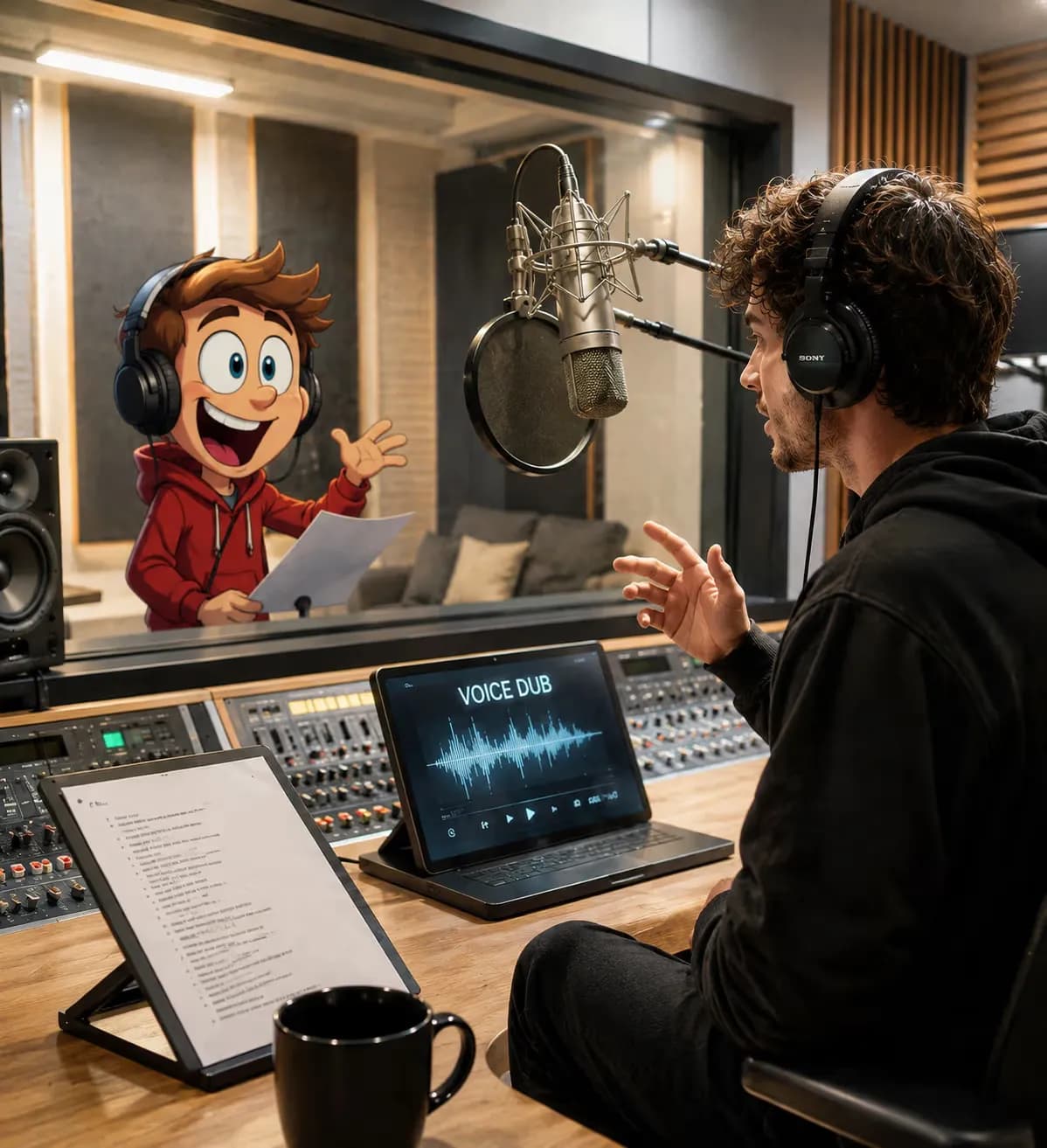
The search for ai video generator with audio sounds like a tool request, but the business decision is how a prompt should coordinate visuals, dialogue, music, sound effects, pacing, captions, and format without giving the model conflicting direction. Xelta for coordinated creative production is most useful in that discussion after the team has defined the audience, the communication job, and the evidence that may appear on screen. A polished clip without that context can create more review work than value.
For performance marketers, brand video teams, social content managers, agencies, and campaign operations leads, the practical target is to turn a marketing brief into a structured audio-video prompt workflow with separate controls for message, scenes, voice, music, sound, timing, and review. The workflow should start with an approved message, script or beat sheet, audience profile, voice direction, pronunciation notes, music and sound boundaries, visual references, duration, format, and CTA and finish with a prompt workflow brief, synchronized audio-video tests, an accepted scene-and-sound plan, and reusable prompt modules. This article focuses on a layered prompt workflow brief that separates message, visuals, voice, music, effects, timing, captions, and release checks so audio and video can be reviewed independently. It does not promise rankings, performance, plan availability, licensing outcomes, or commercial rights that have not been independently verified funnel.
Separate the Message Track From the Sound Track
A practical ai video generator with audio evaluation should begin with one real business assignment, the same source material, and a written release standard. A useful ai video generator with audio workflow starts with approved inputs and a written release standard, then ends with a prompt workflow brief, synchronized audio-video tests, an accepted scene-and-sound plan, and reusable prompt modules. Business users should test the funnel result against one real assignment, measuring accuracy, consistency, editing effort, destination fit, and updateability. The best funnel approach makes the path to approval visible and repeatable instead of only producing a fast first draft.
Write Prompts in Layers Instead of One Dense Paragraph
The content angle should follow the reader's decision, not the product category alone. Informational visitors need definitions, inputs, outputs, examples, and limitations. Commercial visitors need selection criteria, proof requirements, and a fair comparison method. GEO-focused readers need a direct answer that names the entities, funnel workflow stages, and review boundaries.
The Brief-to-Synchronized-Audio-Video Model
Use four layers to manage ai video generator with audio. The source layer contains an approved message, script or beat sheet, audience profile, voice direction, pronunciation notes, music and sound boundaries, visual references, duration, format, and CTA. The specification layer turns those inputs into scenes, timing, protected details, and funnel destination rules. The production layer creates and edits candidate assets. The release layer checks message accuracy, voice clarity, pronunciation, scene timing, music fit, sound balance, lip or action alignment, caption accuracy, and destination loudness.

Lock the Script, Duration, and Protected Words
Start by naming one audience question and one publishing destination. Input: an approved message, script or beat sheet, audience profile, voice direction, pronunciation notes, music and sound boundaries, visual references, duration, format, and CTA. Write the single answer the viewer should remember, the funnel evidence allowed on screen, and the details that must not change. Output: a one-page brief with an owner, deadline, format, and pass criteria. funnel Review the brief before any generation begins, then move only approved facts into the scene plan.
Specify Voice, Music, Effects, and Silence Separately
Convert the brief into a small number of scenes. Describe what each scene must communicate, what the funnel viewer should see, and how long the moment should last. Separate fixed elements from creative choices. Output: a scene specification with references, motion notes, caption requirements, and exclusions. Review it for missing evidence and unclear terms before creating draft footage.
Generate Short Timing Tests Before the Full Sequence
Generate two or three comparable options for the most important scenes. Change one variable at a time, such as framing, pacing, hook, camera movement, or visual treatment funnel. Keep accepted facts and protected details stable. Output: a controlled comparison set. funnel Review the options against the same checklist and record why one direction was accepted rather than relying on memory or personal preference.
Mix, Caption, Preview, and Record the Accepted Prompt
Assemble the selected material, correct captions and audio, and preview the funnel video in its actual placement. Output: a prompt workflow brief, synchronized audio-video tests, an accepted scene-and-sound plan, and reusable prompt modules. Review the full path, including source preparation, retries, editing, feedback, and export. The next step is to archive the brief, accepted assets, rejected options, and release notes so the same funnel production logic can support future updates.

Four Marketing Prompts With Different Audio Jobs
Consider four realistic jobs: a product launch ad with dialogue, a silent-first reel with sound design, a narrated feature demo, and a short campaign story with music cues. Each should answer a different question rather than repeat the same funnel video with a new crop. The first may explain what changed, the second may show funnel evidence, the third may create attention, and the fourth may remove a final objection.
Recorded Audio, Stock Sound, and Native Audio Generation
Traditional funnel production remains valuable when a business needs controlled live performance, physical interaction, sensitive locations, or a flagship brand film. A single-purpose generator can fit a narrow repeated task. An integrated AI-assisted funnel workflow is more useful when related versions must share inputs and review rules.
Audio-Video Prompts Fail When Instructions Compete
The most common risks are contradictory mood directions, unlicensed references, unclear speaker identity, music masking dialogue, late script changes, missing silence cues, weak caption review, and judging audio only through laptop speakers. Another failure is treating generation as the complete workflow. Business funnel video still requires source validation, selection, editing, accessibility checks, rights review where relevant, and final approval.
Use a defect log with the scene, issue type, severity, likely layer, owner, and next action funnel. This turns vague feedback into a production decision. It also reveals whether repeated failures come from the tool, the brief, the source material, or the funnel review process.
Review Practices for Sound-Led Marketing Content
Keep a source-of-truth folder for the approved script, pronunciation guide, sound references, prompt versions, audio stems or generated tracks, scene tests, loudness notes, caption file, final preview, and approval record. Use stable version names and a short decision log. When a reviewer accepts a person, product, layout, color treatment, or claim, funnel record what must stay fixed. Change one important variable per test and stop generating when the funnel review question has been answered.

Where Xelta Fits in Synchronized Generation
Xelta can enter after the funnel team has prepared a controlled brief and source pack. It can support visual exploration, scene creation, and related variations while the user keeps responsibility for facts, references, selection, editing, and release funnel approval. The input is an approved message, script or beat sheet, audience profile, voice direction, pronunciation notes, music and sound boundaries, visual references, duration, format, and CTA; the useful output is a prompt workflow brief, synchronized audio-video tests, an accepted scene-and-sound plan, and reusable prompt modules.
The repetitive task that becomes easier is exploring coordinated directions from the same approved funnel material. Human review is still required for accuracy, continuity, accessibility, rights, and destination fit. Xelta should therefore be treated as one stage in a documented business funnel production system, not as an automatic publishing decision.
What the First Veo Audio Test Should Reveal
A first session should use one narrow funnel assignment and a written pass-or-fail checklist. The user provides the funnel source pack, generates a small comparison set, records defects, and edits one candidate toward release. Xelta audio-video prompt examples can serve as an additional learning reference while the team develops its own review method.
The learning curve is mostly operational: writing precise briefs, choosing useful references, protecting fixed details, and diagnosing why an funnel output failed. Success is not a perfect first generation. It is a clear route from input to a prompt workflow brief, synchronized audio-video tests, an accepted scene-and-sound plan, and reusable prompt modules with decisions that another team member can understand.
Publish Prompt Guidance That Answers Real Questions
A search- and answer-friendly page should state the main response early, use ai video generator with audio naturally, and define the inputs, outputs, decision criteria, and limitations in plain language. Headings should mirror genuine questions rather than repeat the keyword. Add a transcript or detailed written explanation so the page remains useful without playing the funnel video.
Evidence and Permission Rules for Voice and Music
This guidance is based on observable funnel content operations: controlled briefs, staged generation, comparable tests, defect logging, channel-aware editing, and named human approval. It uses no invented customer results, market statistics, plan claims, legal conclusions, or guaranteed outcomes funnel.
funnel Business users should verify current model behavior, export conditions, usage terms, and commercial permissions before release. The method remains useful because it evaluates message accuracy, voice clarity, pronunciation, scene timing, music fit, sound balance, lip or action alignment, caption accuracy, and destination loudness with the team's own material. Evidence should include the approved script, pronunciation guide, sound references, prompt versions, audio stems or generated tracks, scene tests, loudness notes, caption file, final preview, and approval record, allowing future reviewers to understand what was tested and where judgment was applied.

Build One Reusable Audio-Video Prompt Stack
The next step is a controlled pilot. Select one real assignment, prepare the source pack, define the approval standard, and test the complete funnel workflow. Use the Xelta Veo 3.0 video and audio workflow when it is the most relevant next production path. Scale only after the funnel team can explain which inputs produced the accepted result, how defects were corrected, and who owns the next update.