



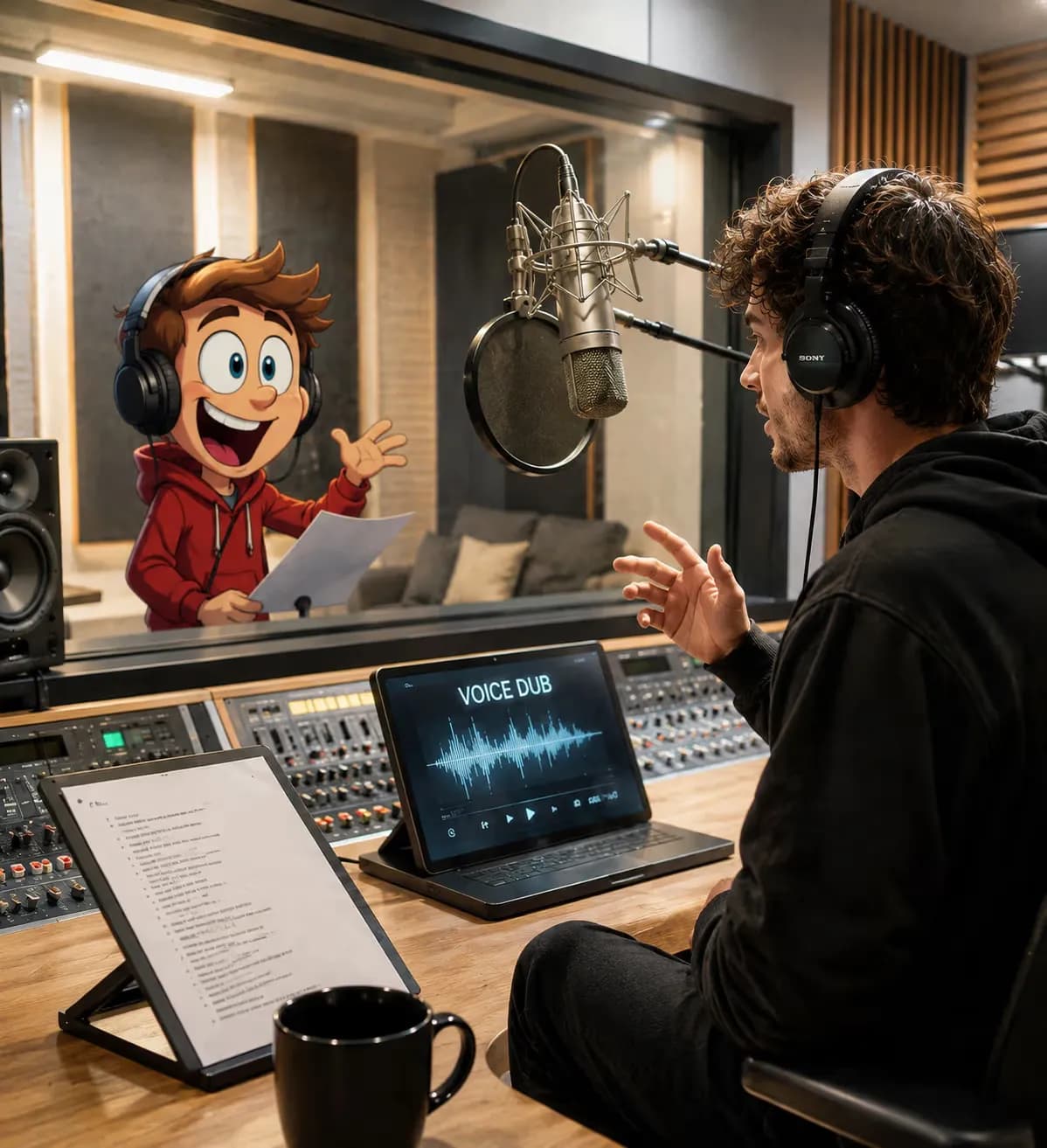




Voice Choice Matters Less Than Script and Listening Conditions
A premium-sounding voice cannot rescue a script that fights the visual. For ai voiceover generator for video, AI Video Creation workflows on Xelta are most useful when the team defines the time-coded narration script, destination, and approval rules before generating scenes. A reliable workflow makes the source, creative choices, and approval boundaries visible.
For performance marketers, product marketers, ecommerce teams, SaaS companies, agencies, and social producers, the practical task is to turn a timed script, pronunciation list, brand voice brief, audience profile, reference pacing, visual timeline, music plan, usage rights record, and destination specifications into a clean narration track and finished video versions with intelligible speech, controlled emphasis, accurate terminology, and space for captions and music. The article uses the Script-Voice-Timing-Mix Operating Model to focus on script purpose, voice selection, pronunciation, pacing, emotional range, mix clarity, revision control, and commercial suitability. The Script-Voice-Timing-Mix Operating Model does not assume that generation clears rights, proves a claim, or removes the need for editing. Its main risk is that a polished voice may mispronounce product terms, flatten emotional meaning, compete with captions, or be reused beyond its approved rights.
The Practical Answer for Marketing and Product Teams
Use generated voiceover where the script is modular, pronunciation is controllable, and updates are frequent. Write for the ear, test difficult lines, review the complete mix on real devices, and preserve rights and approval records. Human narration remains stronger when identity, performance nuance, or public accountability is central to the message. A ai voiceover generator for video is useful when its drafts preserve the time-coded narration script, respond to targeted revision, and can be approved for one named destination.
Match the Narration Method to the Communication Job
Separate what must remain true from what may change creatively. The real question is which marketing video jobs benefit from generated narration and where human recording, on-camera delivery, or a hybrid workflow is safer. Name the audience, final placement, allowed interpretation, protected facts, and reviewer. Then decide which parts of the time-coded narration script should be retained, shortened, rebuilt, or omitted.
The Script-Voice-Timing-Mix Operating Model
The Script-Voice-Timing-Mix Operating Model uses five connected records. Source Control defines the approved time-coded narration script and protected details. The editorial map states the viewer question, message, and omissions. The generation plan translates the time-coded narration script plan into scenes, prompts, references, audio, and edit points. The assembly review tests the approved voiceover tracks for product demos, paid ads, explainers, onboarding clips, and social campaigns as a sequence. The release record identifies the approved ai voiceover generator for video version, destination, limitations, and owner. The Script-Voice-Timing-Mix Operating Model records stop a time-coded narration script problem from being repaired in the wrong place.

Write for the Ear and the Visual Timeline
Rewrite the approved message into short spoken sentences tied to visible actions. Mark pauses, emphasis, pronunciation, and the exact frame where each claim appears. A script that reads well on a page can sound crowded, repetitive, or disconnected from the product demonstration. Input: The source message, visual timeline, audience question, and CTA. Output: A time-coded narration script with delivery notes and protected terms. Review: Read it aloud at the intended pace and remove words the visual already explains. Next: Prepare representative voice tests.
Test Pronunciation and Emotional Range Early
Generate difficult names, acronyms, numbers, transitions, and emotional changes before producing the full track. Compare voices with the same script and listening conditions. A pleasant sample does not prove that the voice can handle product terminology, urgency, warmth, or longer-form consistency. Input: The timed script, pronunciation list, voice brief, and reference mood. Output: A short comparison reel with named settings and known weaknesses. Review: Check intelligibility, identity fit, pronunciation, pace, emphasis, and consistency across lines. Next: Choose one direction and generate the complete narration.
Mix Speech for Real Devices and Captions
Place narration against music, sound effects, captions, and the final visual edit. Test on phone speakers, headphones, and muted playback with captions. Voice quality is judged in the final mix, where competing sound and dense captions can reduce comprehension. Input: The generated narration, music plan, visual timeline, captions, and destination loudness target. Output: A mixed master with readable captions and clear speech hierarchy. Review: Listen at ordinary volume and check that every important word remains understandable. Next: Create destination-specific versions.
Create Reusable Masters Without Freezing the Message
Archive the script, voice settings, pronunciation guide, edit points, and approved audio. Keep sections modular so product updates or offer changes can be replaced without rerecording the full video. Marketing and product content changes frequently, and a rigid audio master creates avoidable rework. Input: The approved narration, project timeline, version plan, and ownership record. Output: A reusable voiceover package with update instructions and release status. Review: Confirm which lines, voices, and markets are approved for future reuse. Next: Adapt the master for the next placement or product update.

One Script System for Demo, Ads, and Onboarding
Picture a team with one source and several destinations: a B2B software team producing a 45-second product demo, three 15-second paid-social cuts, and a narrated onboarding clip from one approved script system. The ai voiceover generator for video team first identifies protected facts in the time-coded narration script and one viewer outcome. It then creates a source map, a Script-Voice-Timing-Mix Operating Model plan, and a named checklist for approved voiceover tracks for product demos, paid ads, explainers, onboarding clips, and social campaigns. Early ai voiceover generator for video drafts are assembled before every detail is polished, so time-coded narration script sequence problems appear while they are still inexpensive to change.
Human Narrator, Generated Voice, or On-Camera Presenter
The ai voiceover generator for video options below solve different production problems. Compare them using time-coded narration script fidelity, control, review effort, editability, and destination fit. For approved voiceover tracks for product demos, paid ads, explainers, onboarding clips, and social campaigns, the strongest method preserves required information and reaches approval without hiding repair work.
Voiceover Mistakes That Make Good Visuals Feel Generic
The most damaging failure patterns are choosing a voice before fixing the script, testing only easy sentences without brand terminology, using the same pace for demos, ads, and education, mixing on headphones without checking mobile speakers, and assuming generated narration clears identity and commercial rights. For ai voiceover generator for video, these errors make the approved voiceover tracks for product demos, paid ads, explainers, onboarding clips, and social campaigns harder to verify and teach the team very little.
Approval Rules for Clear and Commercial Narration
A stronger operating standard is to tie every line to a visible communication job, test hard pronunciation and emotional shifts early, review the final mix with captions and ordinary devices, keep scripts modular for product updates, and record voice source, approval status, and permitted uses.

Where Xelta Fits Between Script and Final Edit
Xelta can enter after the team has prepared the time-coded narration script, the production map, and the acceptance criteria. The core video generator can support initial scene creation, while the Xelta Voices AI workflow for testing narration and delivery styles offers a more specific route for this article's workflow. The ai voiceover generator for video user still chooses the time-coded narration script, approves instructions, compares drafts, and finishes the approved voiceover tracks for product demos, paid ads, explainers, onboarding clips, and social campaigns edit.
The Script-Voice-Timing-Mix Operating Model advantage is that exploration and variation happen closer to the approved time-coded narration script. That does not make every approved voiceover tracks for product demos, paid ads, explainers, onboarding clips, and social campaigns detail accurate. Product facts, speaker identity, rights, accessibility, continuity, and the final ai voiceover generator for video placement remain human review responsibilities.
What a First Voiceover Test Should Sound Like
A useful first session begins with a timed script, pronunciation list, brand voice brief, audience profile, reference pacing, visual timeline, music plan, usage rights record, and destination specifications. The user turns the time-coded narration script into one narrow ai voiceover generator for video assignment and generates a small comparison set. The first approved voiceover tracks for product demos, paid ads, explainers, onboarding clips, and social campaigns draft is inspected for direction and source fidelity before polish. During Script-Voice-Timing-Mix Operating Model revision, accepted elements stay fixed while one important variable changes.
Xelta video learning resources can support learning for ai voiceover generator for video, but project approval must come from the user's own time-coded narration script and checklist. The ai voiceover generator for video learning curve is mainly editorial: deciding what the viewer needs from the time-coded narration script, writing visible instructions, and diagnosing defects. The final approved voiceover tracks for product demos, paid ads, explainers, onboarding clips, and social campaigns should be tied to one approved use and version.
Publish Voiceover Guidance That Answers Buyer Intent
For search and generative retrieval, a ai voiceover generator for video page should answer the central question early, define the time-coded narration script input and approved voiceover tracks for product demos, paid ads, explainers, onboarding clips, and social campaigns output, and explain the Script-Voice-Timing-Mix Operating Model with task-specific headings. Keep the ai voiceover generator for video transcript, visible article, FAQs, and structured data aligned. Label time-coded narration script examples clearly and avoid invented search volume, performance numbers, legal conclusions, or tool capabilities. This guidance is designed for performance marketers, product marketers, ecommerce teams, SaaS companies, agencies, and social producers and uses a reproducible editorial method: controlled source material, explicit transformation choices, staged review, and a documented release decision.
Test One Script Across Two Real Placements
Begin with one approved time-coded narration script, one viewer job, and one destination. Use the Script-Voice-Timing-Mix Operating Model to create a small draft set, record what changed, and approve only the version that preserves the required information. For ai voiceover generator for video, the next practical step is to open Xelta Voices AI and test the topic-specific workflow with controlled time-coded narration script material.