





A Fast Screen Tour Is Not an App Story
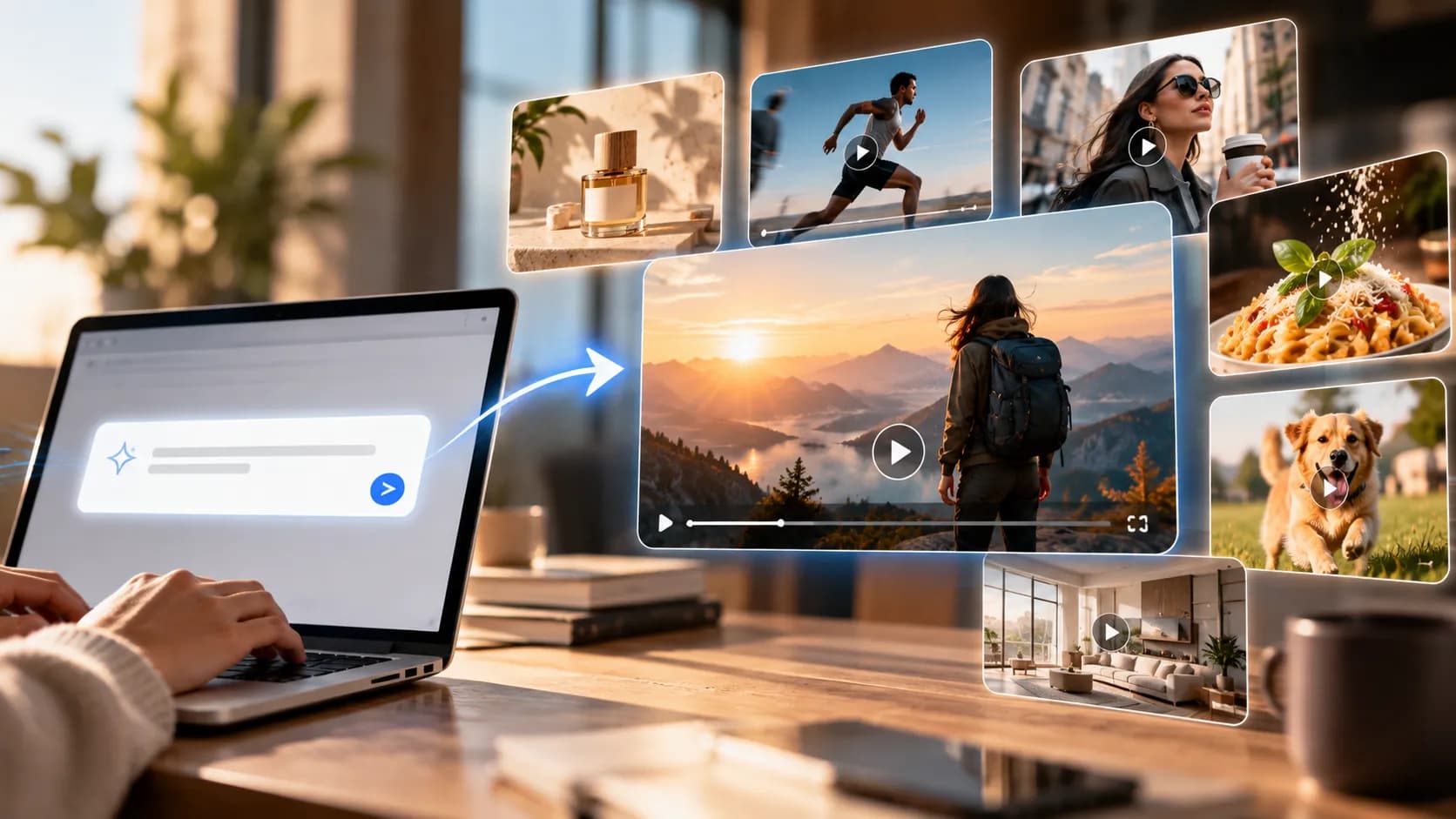
An app promo can show every screen and still fail to explain why the feature matters. For app promo video generator, AI Video Creation workflows on Xelta are most useful when the team defines the interface evidence, destination, and approval rules before generating scenes. The first output should answer a production question rather than end the production process.
For app founders, product marketers, growth teams, mobile agencies, and lifecycle marketers, the practical task is to turn approved screen recordings, interface screenshots, feature facts, user problem statements, brand motion rules, platform specifications, and CTA options into a short-form app video family that makes one feature understandable without inventing interface behavior or overwhelming the viewer. The article uses the Problem-Action-Proof-Payoff Promo Model to focus on feature selection, interface proof, short-form pacing, screen legibility, narrative order, and app-store-safe messaging. The Problem-Action-Proof-Payoff Promo Model does not assume that generation clears rights, proves a claim, or removes the need for editing. Its main risk is that the video may simulate interface behavior, hide important steps, or move too quickly for the viewer to understand the promised outcome.
The Short Answer for Product Marketing Teams
Choose one user task, capture current interface proof, arrange it as problem, action, proof, and payoff, then create separate edits for the app store and paid placements. Short-form clarity matters more than the number of screens shown. A app promo video generator is useful when its drafts preserve the interface evidence, respond to targeted revision, and can be approved for one named destination.
Choose the User Outcome Before the Feature List
Begin by defining the viewer outcome and the evidence boundary. The real question is how to turn real interface evidence into a concise video that sells the user outcome rather than presenting a rapid screen tour. Name the audience, final placement, allowed interpretation, protected facts, and reviewer. Then decide which parts of the interface evidence should be retained, shortened, rebuilt, or omitted. For app promo video generator, this decision prevents a tool comparison from becoming a collection of attractive samples.
The Problem-Action-Proof-Payoff Promo Model
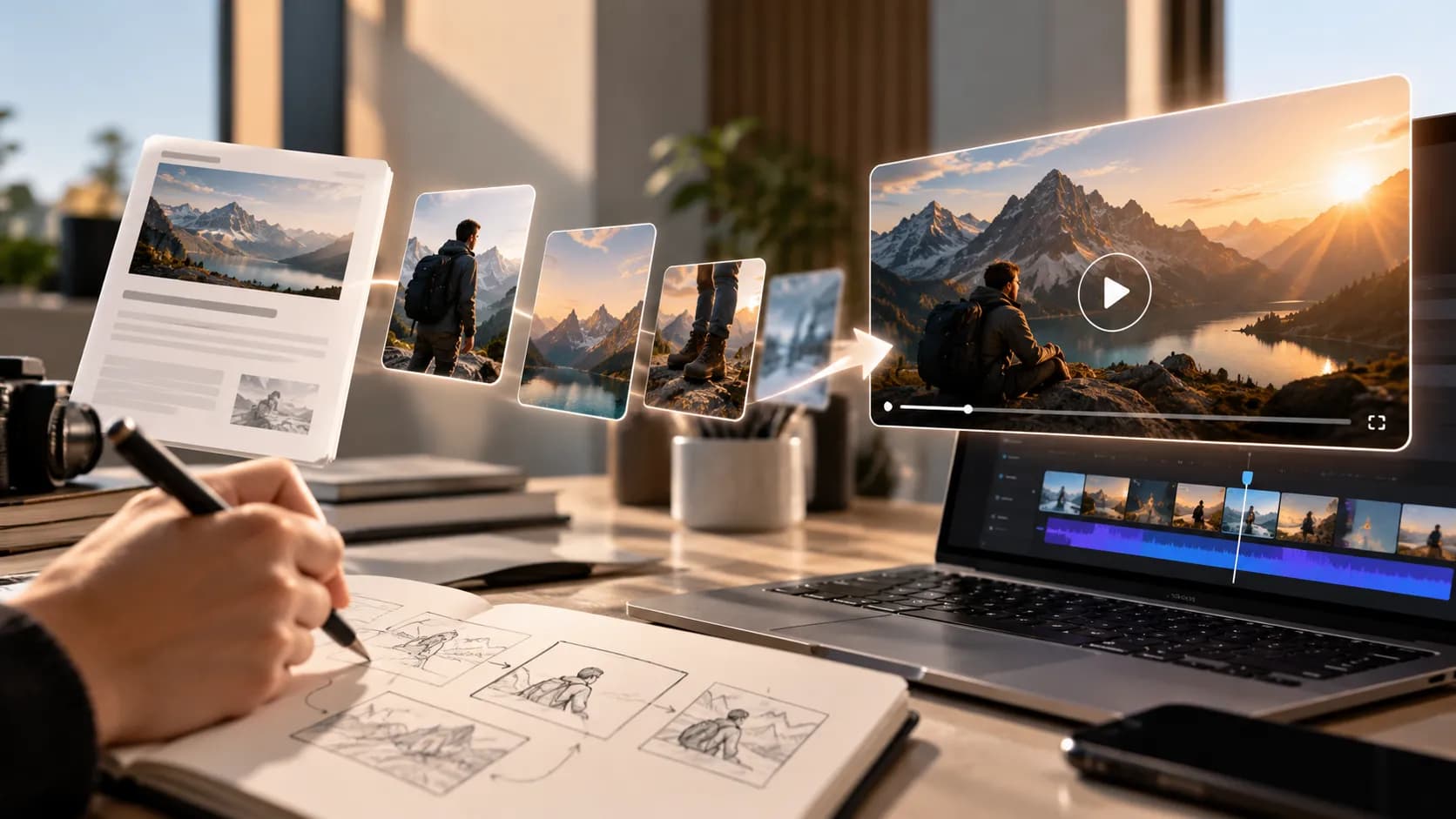
The Problem-Action-Proof-Payoff Promo Model uses five connected records. Source Control defines the approved interface evidence and protected details. The editorial map states the viewer question, message, and omissions. The generation plan translates the interface evidence plan into scenes, prompts, references, audio, and edit points. The assembly review tests the short app promo videos for app stores, paid social, launch pages, onboarding, and product updates as a sequence. The release record identifies the approved app promo video generator version, destination, limitations, and owner. The Problem-Action-Proof-Payoff Promo Model records stop a interface evidence problem from being repaired in the wrong place. A source error should not be hidden with a new visual for short app promo videos for app stores, paid social, launch pages, onboarding, and product updates.

Capture Interface Evidence at the Right Scale
Record the current product flow on the target device and save clean screenshots of key states. Remove private data and note any interface elements that may change before publishing. Real evidence anchors the creative treatment. Input: A stable build, demo account, device presets, and approved privacy rules. Output: A labeled evidence pack with timestamps and screen-state notes. Review: Confirm every state exists in the current product and remains readable in the planned crop. Next: Select one user task for the promo.
Build a Feature Story Around One User Task
Write the user problem, action, visible proof, and payoff in one sentence each. Omit secondary features that do not support that task. One task gives a short promo a clear narrative. Input: The evidence pack, target audience, feature facts, and launch objective. Output: A four-beat promo script with exact proof moments. Review: Check that the benefit follows from what the interface actually shows. Next: Create a timed storyboard.
Design Motion That Keeps the UI Readable
Use controlled zooms, highlights, cursor movement, device framing, and text overlays to direct attention. Hold critical screens long enough for mobile viewing. Motion should clarify the interface rather than compete with it. Input: The storyboard, safe zones, font rules, and destination duration. Output: A scene plan with crop, movement, caption, and hold time. Review: Preview at feed size and confirm labels remain legible. Next: Generate or assemble two pacing options.
Export Separate Cuts for Store and Paid Placements
Adapt the approved master for app-store previews, paid vertical video, feed ads, and launch pages. Change the hook, aspect ratio, duration, and CTA while keeping feature proof consistent. Each placement creates a different viewing context. Input: The approved master, platform specifications, and CTA matrix. Output: Named exports with shared source references. Review: Check store policies, safe zones, audio dependence, and CTA timing. Next: Release only cuts tied to the current app version.

A Budgeting Feature Explained in Fifteen Seconds
A useful scenario makes the workflow concrete: a budgeting app showing receipt capture, automatic categorization, and a weekly spending summary in a 15-second launch teaser and two six-second ads. The app promo video generator team first identifies protected facts in the interface evidence and one viewer outcome. It then creates a source map, a Problem-Action-Proof-Payoff Promo Model plan, and a named checklist for short app promo videos for app stores, paid social, launch pages, onboarding, and product updates. Early app promo video generator drafts are assembled before every detail is polished, so interface evidence sequence problems appear while they are still inexpensive to change. This interface evidence scenario is a worked example, not a performance claim.
Screen Recording, Motion Template, or Generated Promo
The app promo video generator options below solve different production problems. Compare them using interface evidence fidelity, control, review effort, editability, and destination fit. For short app promo videos for app stores, paid social, launch pages, onboarding, and product updates, the strongest method preserves required information and reaches approval without hiding repair work.
Why App Teasers Lose Trust or Comprehension
The most damaging failure patterns are showing six features in a fifteen-second video, using simulated screens that do not match the current app, zooming so aggressively that interface labels become unreadable, writing benefits that the visual proof does not support, and reusing one horizontal master in every mobile placement. For app promo video generator, these errors make the short app promo videos for app stores, paid social, launch pages, onboarding, and product updates harder to verify and teach the team very little.
Practices That Keep Product Proof Clear
A stronger operating standard is to choose one user task per short video, use current screen evidence and version notes, hold key interface states long enough to understand, separate app-store and paid-social edits, and archive the source build and approval date with every export.

Where Xelta Fits Into App Launch Creative
Xelta can enter after the team has prepared the interface evidence, the production map, and the acceptance criteria. The core video generator can support initial scene creation, while a promo teaser flow for building short, feature-led app launch narratives offers a more specific route for this article's workflow. The app promo video generator user still chooses the interface evidence, approves instructions, compares drafts, and finishes the short app promo videos for app stores, paid social, launch pages, onboarding, and product updates edit.
The Problem-Action-Proof-Payoff Promo Model advantage is that exploration and variation happen closer to the approved interface evidence. That does not make every short app promo videos for app stores, paid social, launch pages, onboarding, and product updates detail accurate. Product facts, speaker identity, rights, accessibility, continuity, and the final app promo video generator placement remain human review responsibilities.
What the First Promo Session May Look Like
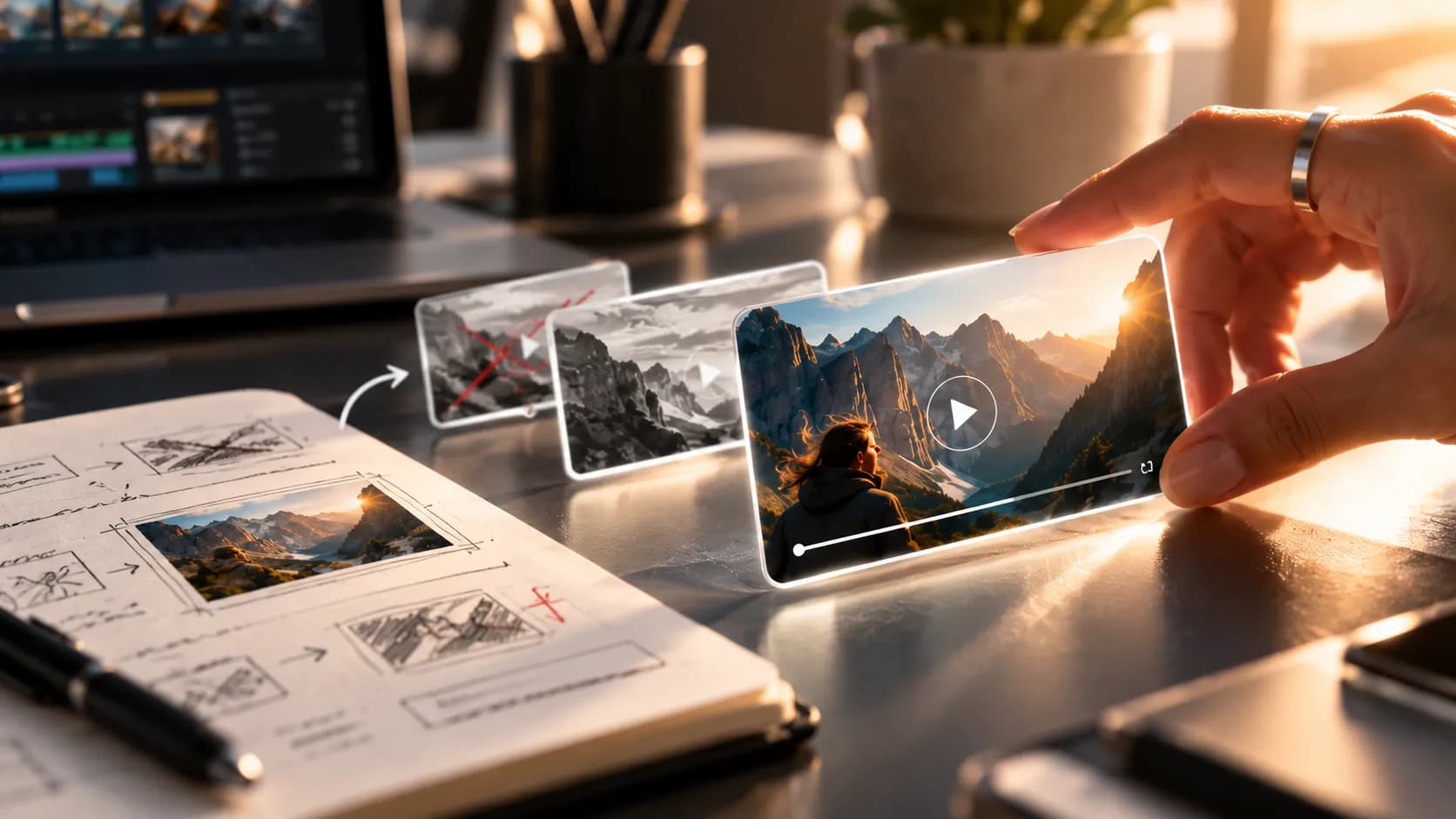
A useful first session begins with approved screen recordings, interface screenshots, feature facts, user problem statements, brand motion rules, platform specifications, and CTA options. The user turns the interface evidence into one narrow app promo video generator assignment and generates a small comparison set. The first short app promo videos for app stores, paid social, launch pages, onboarding, and product updates draft is inspected for direction and source fidelity before polish. During Problem-Action-Proof-Payoff Promo Model revision, accepted elements stay fixed while one important variable changes.
Xelta creation walkthroughs can support learning for app promo video generator, but project approval must come from the user's own interface evidence and checklist. The app promo video generator learning curve is mainly editorial: deciding what the viewer needs from the interface evidence, writing visible instructions, and diagnosing defects. The final short app promo videos for app stores, paid social, launch pages, onboarding, and product updates should be tied to one approved use and version.
Structure the Page Around Feature Questions and Proof
For search and generative retrieval, a app promo video generator page should answer the central question early, define the interface evidence input and short app promo videos for app stores, paid social, launch pages, onboarding, and product updates output, and explain the Problem-Action-Proof-Payoff Promo Model with task-specific headings. Keep the app promo video generator transcript, visible article, FAQs, and structured data aligned. Label interface evidence examples clearly and avoid invented search volume, performance numbers, legal conclusions, or tool capabilities. This guidance is designed for app founders, product marketers, growth teams, mobile agencies, and lifecycle marketers and uses a reproducible editorial method: controlled source material, explicit transformation choices, staged review, and a documented release decision. The Problem-Action-Proof-Payoff Promo Model does not guarantee ranking, citation, or commercial results.
Turn One Real App Task Into a Focused Teaser
Begin with one approved interface evidence, one viewer job, and one destination. Use the Problem-Action-Proof-Payoff Promo Model to create a small draft set, record what changed, and approve only the version that preserves the required information. For app promo video generator, the next practical step is to open Promo Teaser Flow and test the topic-specific workflow with controlled interface evidence material.