



What Is the Best AI Video Generator for Interior Design?
The best AI video generator for interior design depends on your specific purpose.
If you want to create a short social media Reel, your requirements may be different from an architecture firm creating a design presentation.
A Good AI Video Generator Should Offer:
High-quality AI-generated visuals Image-to-video capabilities Natural camera movement Prompt-based creative control Multiple video styles Flexible output formats Fast generation Easy-to-use workflows Additional editing or enhancement tools Suitable commercial use options
For interior design professionals, the most valuable feature is often the ability to transform a static image or design concept into a moving visual experience.
Why AI Video Generation Is Changing Interior Design Marketing
Interior design businesses need more than beautiful projects. They also need content.
A single completed project may require:
Instagram Reels YouTube Shorts Website videos Client presentations Portfolio content Property marketing videos Promotional advertisements Before-and-after visuals
Traditional video production can be time-consuming and expensive. AI video generation provides a faster way to explore and create visual content from existing assets.
The New Interior Design Content Workflow
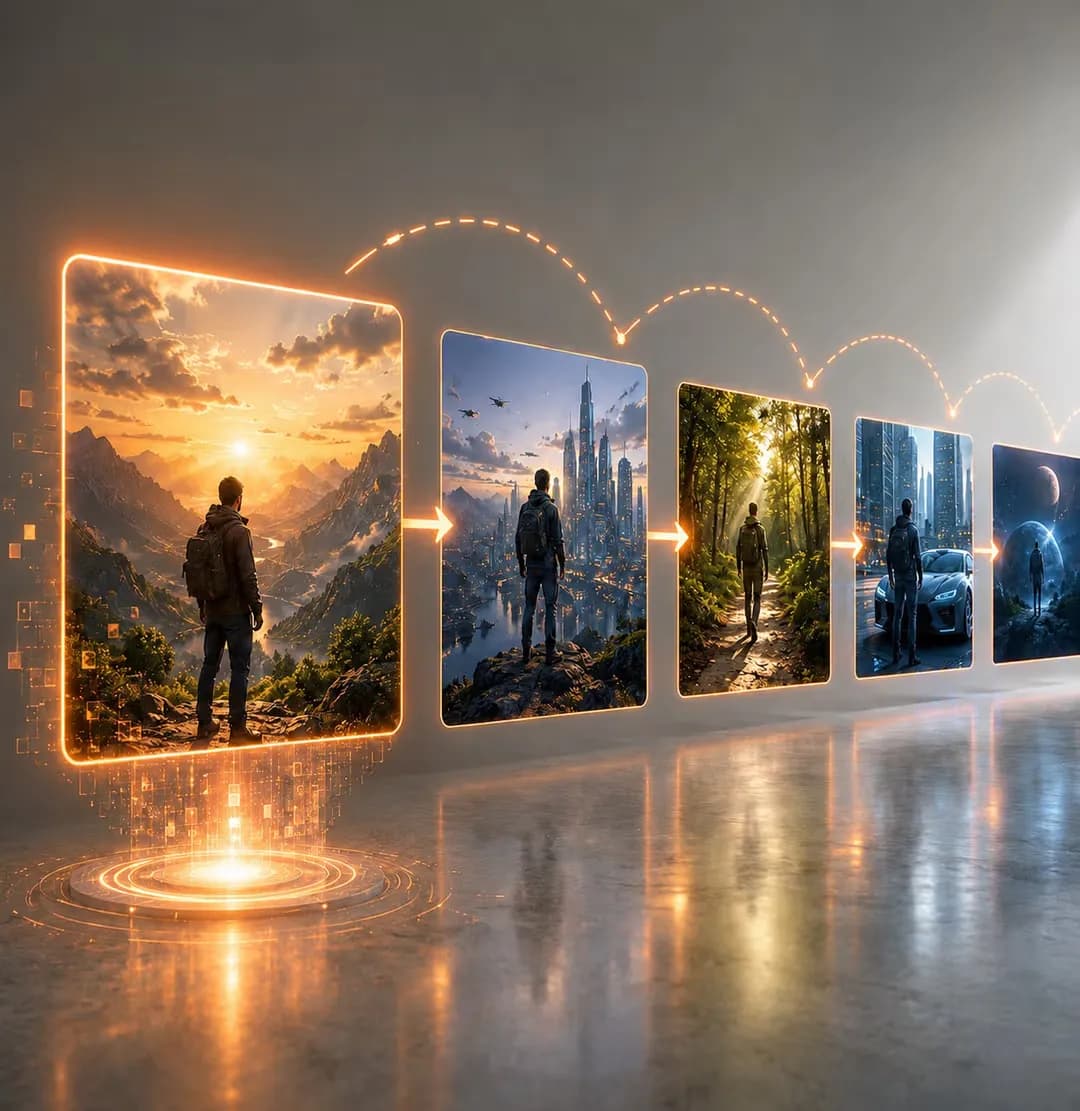
Design Concept → Static Image → AI Video → Enhancement → Editing → Social Media or Client Presentation
This workflow can help designers get more value from the same creative asset.
1. Image-to-Video Generation
Interior designers usually have access to:
3D renders Room designs Mood boards Product shots Architecture visuals Property photos
With an image-to-video generator, it is possible to turn such static visuals into motion visuals.
In particular, a living room design can be turned into slow-moving camera visuals that showcase the interior design features.
2. Text-to-Video Creation
Sometimes you may not have an image yet.
In that case, text-to-video AI can help generate a concept from a description.
Example Prompt
“Luxury modern living room with neutral tones, textured walls, designer sofa, warm indirect lighting, wooden flooring, large glass windows, cinematic interior photography, slow camera movement.”
This can help designers explore visual ideas before creating a final 3D model.
3. Camera Movement and Motion Control
A professional interior video should not simply zoom randomly into an image.
Useful camera movements may include:
Slow push-in Smooth pan Cinematic dolly movement Sideways camera movement Wide-angle room reveal Close-up detail shot
Controlled movement helps viewers understand the design rather than distracting them.
4. Cinematic Visual Quality
Lighting and mood are essential elements of interior design.
An effective AI video generation tool would be able to create moods like:
Luxurious warmth Minimalistic modern Natural lighting High-end hotel Contemporary office Evening mood
In addition to that, creators can utilize Xelta’s AI Cinematic Video Generator for cinematic video generation and other related tasks.
5. Multiple Video Formats
Interior design content may be published across different platforms.
A useful AI video workflow should support content requirements such as:

Vertical Video
Best for:
Instagram Reels YouTube Shorts TikTok Mobile advertising
Horizontal Video
Best for:
YouTube Websites Presentations Property showcases
Square Video
Useful for:
Social media posts Facebook content Certain advertising formats
Faster Concept Visualization
AI can help designers quickly test different visual directions.
Instead of creating a complete animation for every idea, designers can first explore concepts using AI.

More Engaging Client Presentations
A static render may require the client to imagine the final experience.
A moving video can make the design easier to understand.
For example, a client can see:
The entrance perspective The flow of the room The lighting atmosphere The furniture arrangement The visual relationship between spaces
More Content from Existing Designs
One interior image can potentially become:
A short Reel A cinematic video A promotional advertisement A portfolio presentation A before-and-after concept A client approval video
This can help design businesses increase content output without starting every project from zero.
Reduced Production Complexity
Traditional animation often involves:
3D modeling Texturing Lighting Camera setup Rendering Post-production
AI does not eliminate the need for professional visualization in every situation, but it can simplify early-stage concepts and marketing content.
Source Image
A 3D render of a premium living room.
Prompt
“Create a slow cinematic camera push-in through this luxury living room. Preserve the original furniture, architecture, wall textures, and layout. Add soft natural daylight and realistic shadows.”
Best Use
- Portfolio presentation
- Instagram Reel
- Client proposal
Source Image
A bedroom design with a large window.
Prompt
“Create a smooth cinematic movement toward the bed. Show soft morning sunlight entering through the curtains. Maintain the original room design and create a calm premium atmosphere.”
Best Use
Luxury interior marketing Hotel design presentation Social media content
Source Image
A modern modular kitchen design.
Prompt
“Create a professional architectural showcase video with a smooth camera pan across the kitchen island, cabinets, lighting, and appliances. Preserve the original design and materials.”
Best Use
Kitchen design business Product marketing Home renovation campaigns
Source Image
An office interior render.
Prompt
“Create a smooth professional walkthrough of this modern office interior, highlighting the workstations, meeting area, lighting, and architectural layout.”
Best Use
Commercial property marketing Architecture presentations Corporate design portfolios
Best AI Video Generator vs Traditional Interior Animation
| Factor | AI Video Generator | Traditional 3D Animation |
|---|---|---|
| Speed | Fast concept creation | Longer production process |
| Cost | More accessible for many workflows | Often higher production costs |
| Skill Requirement | Easier for beginners | Requires specialist expertise |
| Creative Testing | Quick experimentation | More time required |
| Social Media Content | Highly suitable | Can be excessive for short content |
| Technical Accuracy | Requires review | Greater control over precise scenes |
| Final Production | Good for concepts and marketing | Better for detailed technical visualization |
What Makes Xelta AI Different?
Xelta AI is positioned as a broader AI creative platform rather than a single-purpose video generator.
The platform brings together multiple AI-powered creative workflows, including video generation, image generation, video editing, enhancement, audio, social media, advertising, and other creative tools.
For an interior designer, this can create a connected workflow:
Interior Design Workflow with Xelta
Idea → AI Image → AI Video → Video Editing → Enhancement → Audio → Social Media Content
This integrated approach can reduce the need to move between multiple disconnected tools.
Does It Support Image-to-Video?
If you already have interior renders, image-to-video capability should be a priority.
Does It Offer Creative Control?
Look for control over:
Camera movement Style Lighting Motion Atmosphere Video format
Is the Output Suitable for Your Use Case?
A social media Reel and a professional architectural presentation may require different quality levels and formats.
Is the Workflow Easy to Learn?
A technically powerful tool is not always the best choice if the workflow is unnecessarily complicated.
Does the Platform Offer More Than One Tool?
A platform with connected creative tools may be more useful for professionals who need to create complete content campaigns.
Does It Support Your Content Volume?
If you create videos regularly, consider:
Generation limits Processing speed Model options Export capabilities Workflow scalability
Start with a Strong Image
A clear and well-composed source image can provide better visual information to the AI.

Keep Your Prompt Specific
Instead of:
“Make a video of this room.”
Try:
“Create a slow cinematic camera movement through this modern living room. Preserve the architecture, furniture, materials, and layout. Use soft natural daylight, realistic shadows, smooth motion, and a premium interior design presentation style.”
Use Controlled Motion
Interior design videos generally benefit from smooth, slow, and intentional movement.
Fast motion may reduce the viewer's ability to appreciate the design.
Review Every Output
AI-generated content can sometimes introduce unexpected changes.
Before publishing, check:
Furniture consistency Architecture Windows and doors Textures Lighting Object proportions
Human review remains an important part of a professional workflow.