






AI Video Timelines Depend on Approval, Not Just Generation
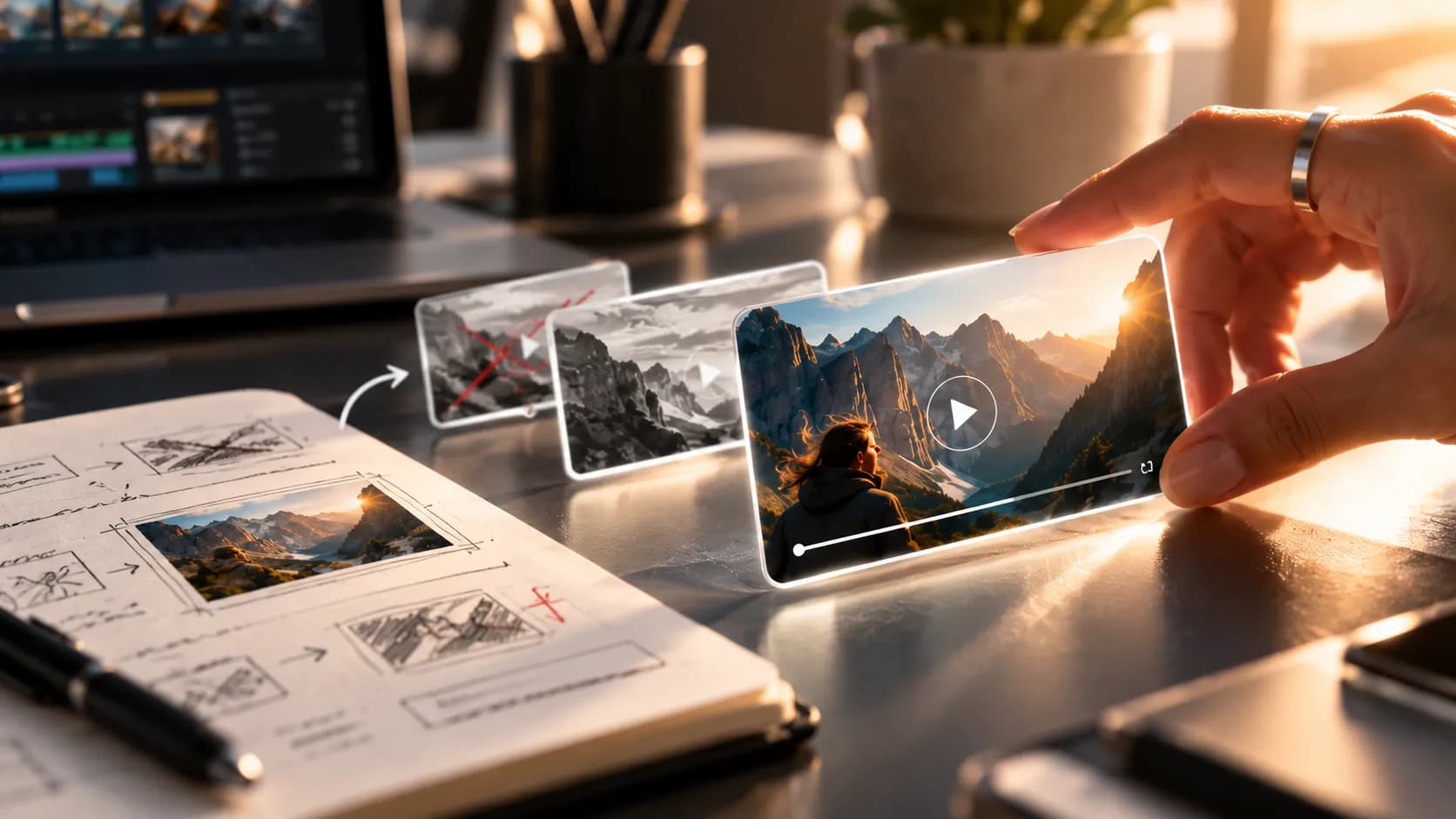
The first clip may arrive quickly, but the approved video follows a longer clock. For how long does it take to make a video with ai, AI Video Creation workflows on Xelta are most useful when the team defines the production brief, destination, and approval rules before generating scenes. A reliable workflow makes the source, creative choices, and approval boundaries visible.
For marketing managers, founders, product teams, agencies, and content operations leads, the practical task is to turn an approved brief, source assets, script or message map, destination list, risk level, reviewer availability, and a version plan into a realistic production schedule that separates preparation, generation, editing, review, and final delivery instead of promising one-click completion. The article uses the Brief-Draft-Edit-Approval-Time Model to focus on scoping, source preparation, scene generation, editing, review cycles, product proof, ad variants, and operational time estimates. The Brief-Draft-Edit-Approval-Time Model does not assume that generation clears rights, proves a claim, or removes the need for editing. Its main risk is that teams may promise a deadline based on generation speed while ignoring source preparation, repair, stakeholder response, and publishing checks.
The Realistic Answer to How Long Production Takes
AI can reduce option-creation time, yet production still includes briefing, source preparation, editing, review, and delivery. Estimate by use case and risk: a concept may move quickly, while a product demo or paid campaign needs evidence, captions, rights checks, and final platform review. A how long does it take to make a video with ai is useful when its drafts preserve the production brief, respond to targeted revision, and can be approved for one named destination.
Estimate the Job by Asset Type and Review Risk
Separate what must remain true from what may change creatively. The real question is how to estimate total time for a usable video rather than measuring only the seconds spent waiting for a first generated clip. Name the audience, final placement, allowed interpretation, protected facts, and reviewer. Then decide which parts of the production brief should be retained, shortened, rebuilt, or omitted.
The Brief-Draft-Edit-Approval-Time Model
The Brief-Draft-Edit-Approval-Time Model uses five connected records. Source Control defines the approved production brief and protected details. The editorial map states the viewer question, message, and omissions. The generation plan translates the production brief plan into scenes, prompts, references, audio, and edit points. The assembly review tests the marketing videos, product demonstrations, and social ads planned around realistic production and approval time as a sequence. The release record identifies the approved how long does it take to make a video with ai version, destination, limitations, and owner. The Brief-Draft-Edit-Approval-Time Model records stop a production brief problem from being repaired in the wrong place.

Scope One Deliverable Before Estimating Time
Write the exact duration, format, audience, placement, proof requirement, source material, and release owner for the first asset. Separate a concept draft from a final commercial deliverable. A ten-second atmospheric clip and a ten-second product demonstration may have very different preparation and review requirements. Input: The campaign brief and one named destination. Output: A production scope with acceptance criteria and exclusions. Review: Confirm that everyone uses the same meaning for draft, edit, approved master, and variant. Next: List the inputs and decisions needed before generation.
Prepare Sources and Decisions Before Generation
Collect approved script lines, product facts, screenshots, references, brand rules, audio, rights information, and destination specifications. Resolve which claims need real evidence and which scenes may be conceptual. Missing inputs turn generation time into repeated waiting, rewriting, and review loops. Input: The scoped deliverable and current source library. Output: A generation-ready brief and source pack. Review: Check that every important statement has an owner and evidence source. Next: Estimate a small test window for the riskiest scene.
Run Small Scene Tests Before Building the Full Edit
Generate the opening, the most difficult proof scene, and one transition before creating the complete sequence. Record prompt, references, generation count, defects, and manual repair required. A controlled test exposes identity, product, motion, text, and continuity risks before the team commits to the full schedule. Input: The source pack and three high-risk scene briefs. Output: A tested direction and a more reliable effort estimate. Review: Decide whether the method is suitable, needs a hybrid approach, or should be replaced. Next: Build the full scene list only after the test passes.
Reserve Time for Review, Repair, and Platform Processing
Schedule editorial assembly, captions, sound, factual review, brand approval, rights checks, exports, upload processing, and final playback. Add a named response window for reviewers rather than assuming immediate feedback. The first generated scene is often fast, while coordination and approval determine the real delivery date. Input: The tested production plan, reviewer list, and channel checklist. Output: A calendar with stage owners, dependencies, and release conditions. Review: Confirm the processed platform version matches the approved master and metadata. Next: Archive actual time by stage to improve the next estimate.

Three Marketing Assets From One Product Brief
Picture a team with one source and several destinations: a SaaS team producing a 30-second launch video, three six-second paid openings, and two product demo cutdowns from one approved release brief. The how long does it take to make a video with ai team first identifies protected facts in the production brief and one viewer outcome. It then creates a source map, a Brief-Draft-Edit-Approval-Time Model plan, and a named checklist for marketing videos, product demonstrations, and social ads planned around realistic production and approval time. Early how long does it take to make a video with ai drafts are assembled before every detail is polished, so production brief sequence problems appear while they are still inexpensive to change.
Fast Draft, Assisted Production, or Full Shoot
The how long does it take to make a video with ai options below solve different production problems. Compare them using production brief fidelity, control, review effort, editability, and destination fit.
Timeline Assumptions That Create Missed Launches
The most damaging failure patterns are quoting generation speed as the complete production timeline, starting before product facts and source assets are approved, building every scene before testing the highest-risk moment, leaving captions, audio, legal review, and upload checks until the deadline, and treating every revision as a full restart instead of changing one variable.
Planning Controls That Make AI Production Predictable
A stronger operating standard is to estimate preparation, generation, editing, review, and delivery separately, define what draft and approved mean for the project, test the riskiest scene before scaling, book reviewer response time into the schedule, and record actual stage time for future planning.

Where Xelta Fits in a Time-Bounded Production Plan
Xelta can enter after the team has prepared the production brief, the production map, and the acceptance criteria. The core video generator can support initial scene creation, while Xelta AI filmmaking tools for planning, generating, and assembling controlled video assets offers a more specific route for this article's workflow. The how long does it take to make a video with ai user still chooses the production brief, approves instructions, compares drafts, and finishes the marketing videos, product demonstrations, and social ads planned around realistic production and approval time edit.
The Brief-Draft-Edit-Approval-Time Model advantage is that exploration and variation happen closer to the approved production brief. That does not make every marketing videos, product demonstrations, and social ads planned around realistic production and approval time detail accurate. Product facts, speaker identity, rights, accessibility, continuity, and the final how long does it take to make a video with ai placement remain human review responsibilities.
What a First Scheduled Workflow May Look Like
A useful first session begins with an approved brief, source assets, script or message map, destination list, risk level, reviewer availability, and a version plan. The user turns the production brief into one narrow how long does it take to make a video with ai assignment and generates a small comparison set. The first marketing videos, product demonstrations, and social ads planned around realistic production and approval time draft is inspected for direction and source fidelity before polish. During Brief-Draft-Edit-Approval-Time Model revision, accepted elements stay fixed while one important variable changes.
Xelta video learning resources can support learning for how long does it take to make a video with ai, but project approval must come from the user's own production brief and checklist. The how long does it take to make a video with ai learning curve is mainly editorial: deciding what the viewer needs from the production brief, writing visible instructions, and diagnosing defects. The final marketing videos, product demonstrations, and social ads planned around realistic production and approval time should be tied to one approved use and version.
Answer Time Questions Clearly for Search and Buyers
For search and generative retrieval, a how long does it take to make a video with ai page should answer the central question early, define the production brief input and marketing videos, product demonstrations, and social ads planned around realistic production and approval time output, and explain the Brief-Draft-Edit-Approval-Time Model with task-specific headings. Keep the how long does it take to make a video with ai transcript, visible article, FAQs, and structured data aligned. Label production brief examples clearly and avoid invented search volume, performance numbers, legal conclusions, or tool capabilities. This guidance is designed for marketing managers, founders, product teams, agencies, and content operations leads and uses a reproducible editorial method: controlled source material, explicit transformation choices, staged review, and a documented release decision.
Plan the Approval Path Before Promising the Deadline
Begin with one approved production brief, one viewer job, and one destination. Use the Brief-Draft-Edit-Approval-Time Model to create a small draft set, record what changed, and approve only the version that preserves the required information. For how long does it take to make a video with ai, the next practical step is to open Xelta AI Filmmaking Tools and test the topic-specific workflow with controlled production brief material.