


How to Prompt Camera Movement in AI Video Without Chaotic Motion
A polished demo is not enough to prove that ai video camera prompts will work in a real production week. Creators and production teams writing ai video prompts need a system that can take a defined subject, intended motion, camera behavior, visual references, and shot length and produce a prompt set that produces controlled, comparable generations without hiding the review work. The useful starting point is the broader Xelta AI creation platform because the decision is about the complete path from brief to approved asset, not a single impressive generation. The practical answer is to narrow the first project, define what a usable output means, and test the steps that usually create delay. For this topic, the central risk is that too many instructions compete inside one prompt and the model resolves them unpredictably.
What a Reliable Camera Movement in AI Video Without Chaotic Motion Instruction Must Control
A workable Camera Movement in AI Video Without Chaotic Motion setup should do three things. It should preserve the message and source material, reduce the number of unnecessary handoffs, and create an output that can move into editing or publishing with a clear review list. If reviewers cannot answer those questions, the workflow is producing novelty rather than production value.
Why Models Misread Instructions Around Camera Movement in AI Video Without Chaotic Motion
The hidden difficulty is rarely generation alone. The work breaks when inputs are vague, reviewers judge different things, or a source asset is asked to carry more motion and meaning than it can support. In this case, too many instructions compete inside one prompt and the model resolves them unpredictably. Another source of delay is late-stage discovery. A better process surfaces those checks at the start.
A Prompt Architecture for Controlled Camera Movement in AI Video Without Chaotic Motion
The strongest operating model separates decisions. First approve the message and source material. Then test the visual direction. After that, review movement, continuity, and format. Final polish comes only after the core draft survives those checks. Model choice can be part of that process rather than a guess. Teams can compare the Xelta model options against the same input and review criteria. The objective is not to find one model that wins every task. It is to identify which model or workflow handles this specific subject, motion, and output requirement with the least correction. In this article, the check applies specifically to Camera Movement in AI Video Without Chaotic Motion.
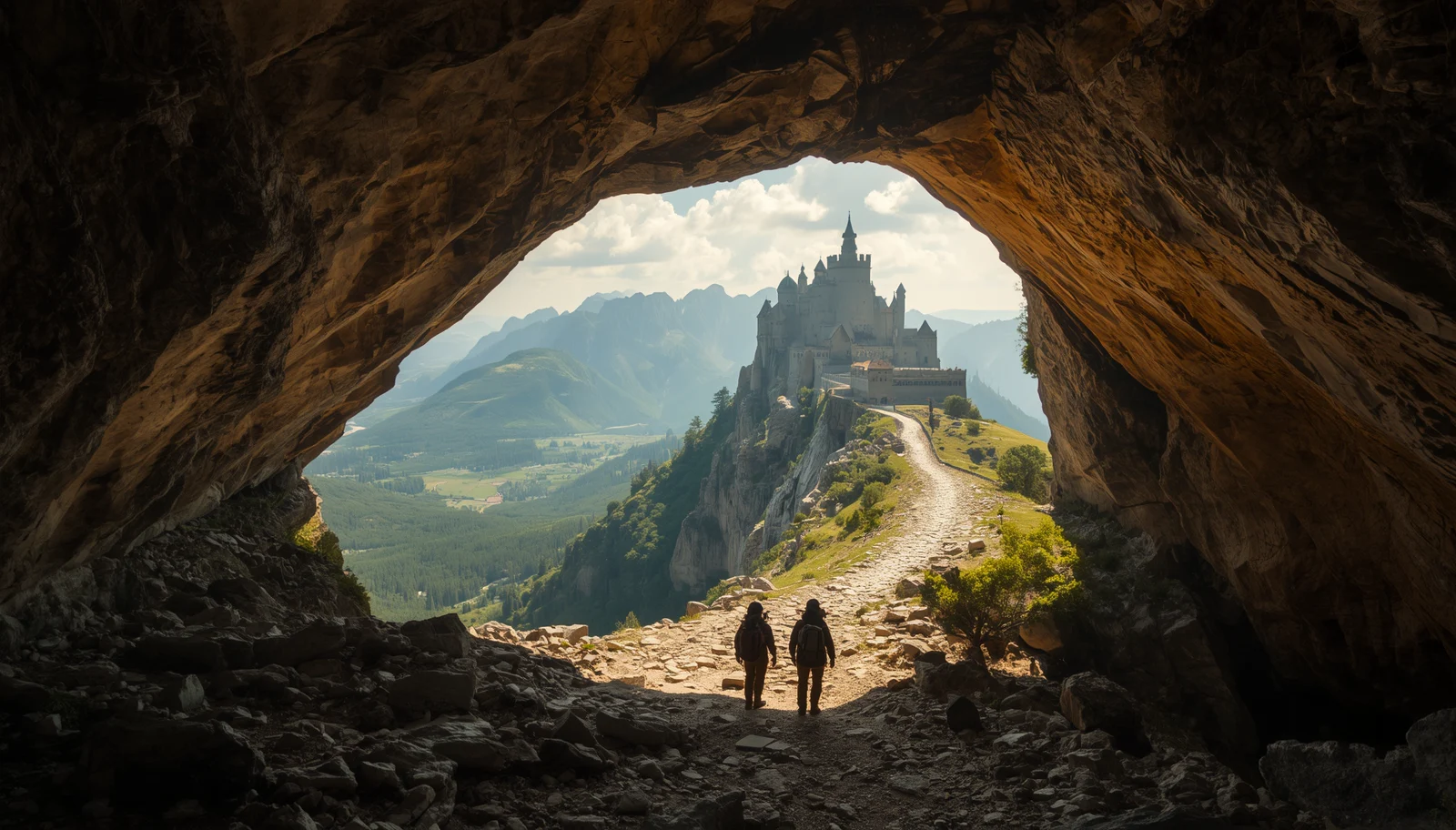
From a defined subject to a prompt set that produces controlled, comparable generations for Camera Movement in AI Video Without Chaotic Motion
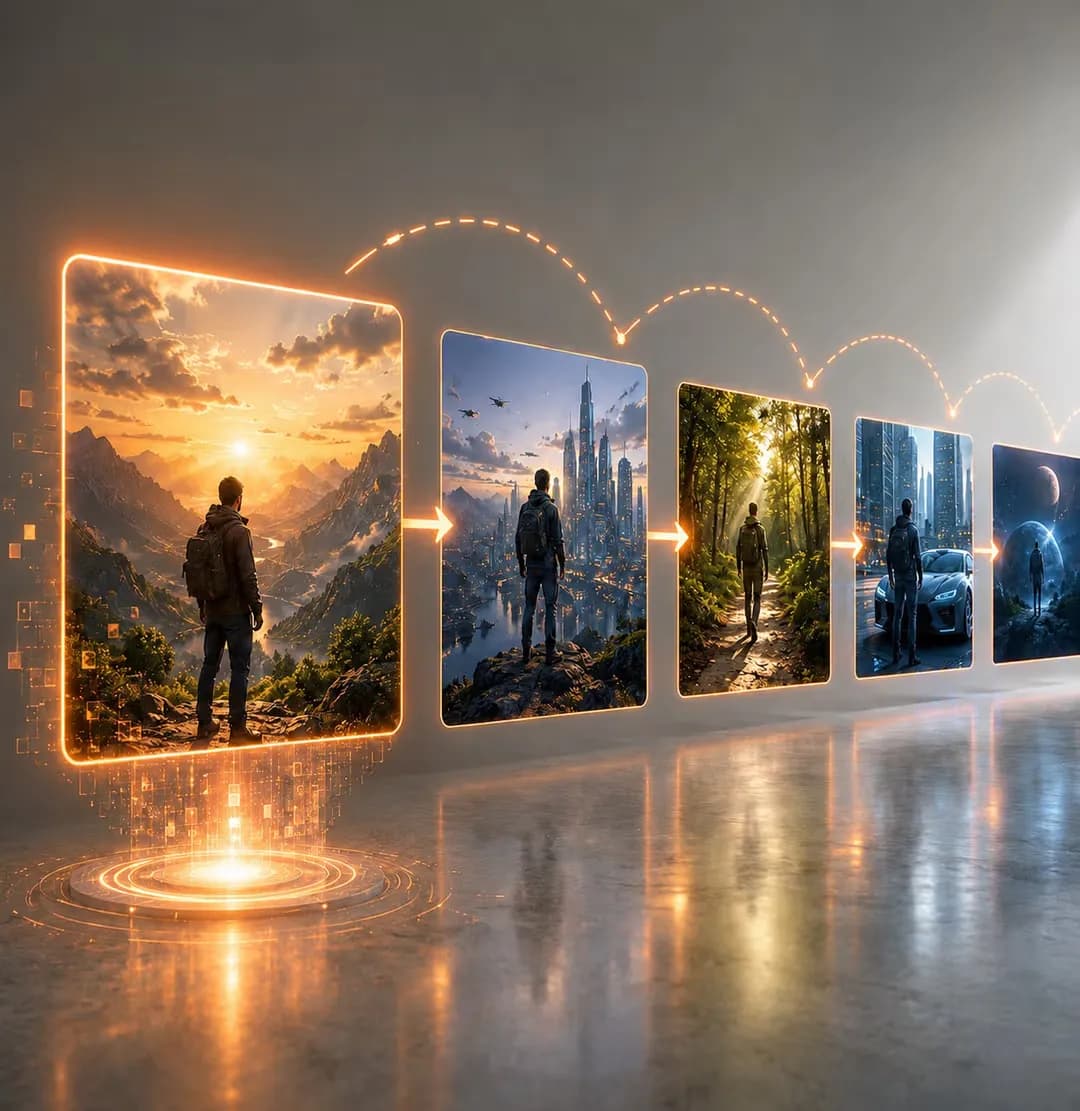
A reliable Camera Movement in AI Video Without Chaotic Motion process can be handled in controlled passes. Each pass has one decision, one output, and one review owner. That keeps the team from changing the brief, visual style, motion, and channel format at the same time.
1. Lock the job before writing the first prompt for Camera Movement in AI Video Without Chaotic Motion
Write the audience, message, intended channel, and success condition. The required input is a defined subject, intended motion, camera behavior, visual references, and shot length. The output is a one-page brief that a reviewer can approve without seeing a generated clip. Check that the brief describes one job, not several competing goals.
2. Protect the details that must not change for Camera Movement in AI Video Without Chaotic Motion
List the elements that require strict accuracy. These may include product shape, brand colors, face identity, interface details, claims, pricing, or scene order. The output is a short protection list. Review it before generation so the team knows which deviations are unacceptable.
3. Generate a small set of controlled directions for Camera Movement in AI Video Without Chaotic Motion
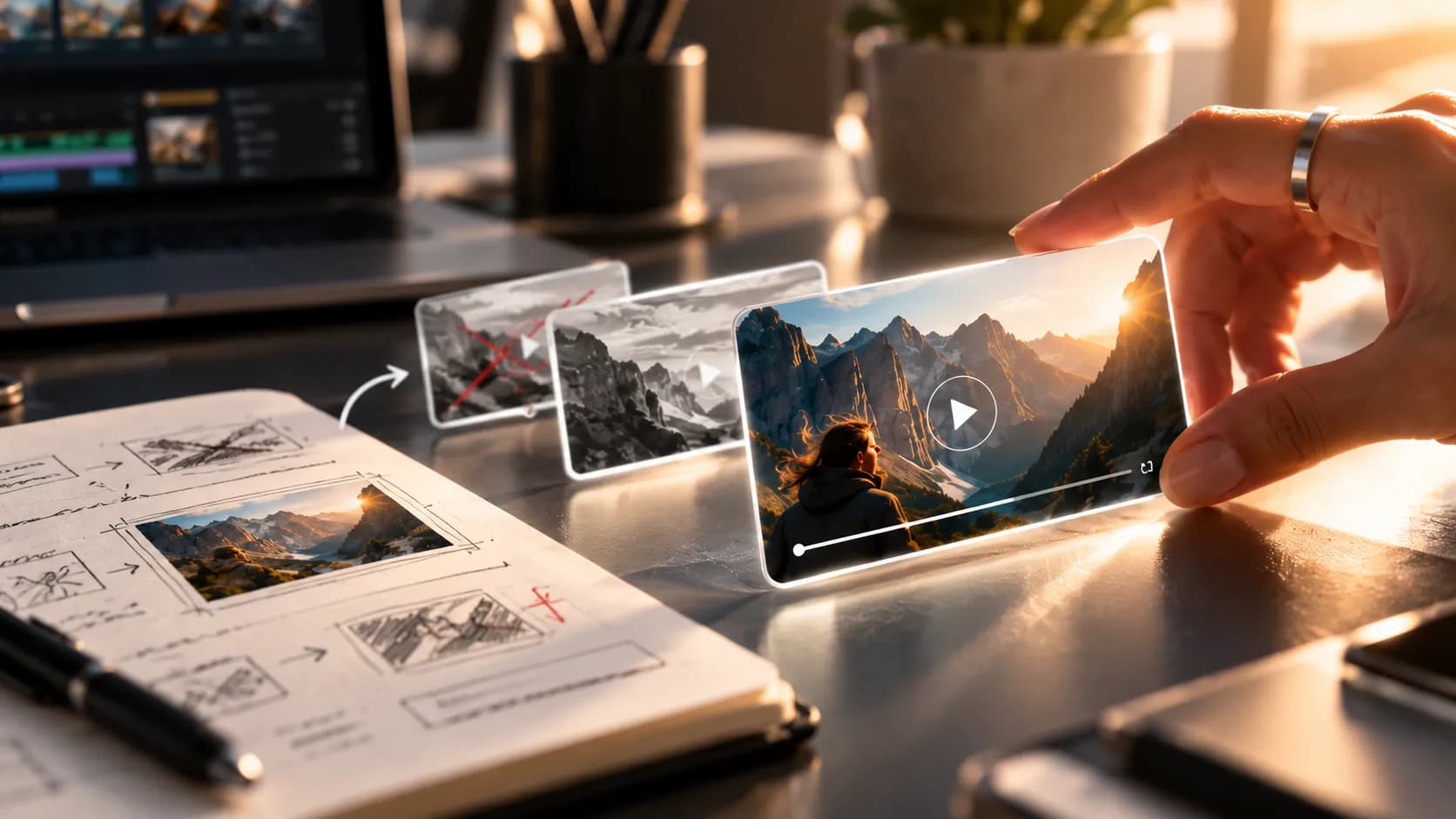
Create two or three drafts that differ in one meaningful way, such as opening shot, camera behavior, or visual style. Keep duration, references, and message stable. The output is a comparable set, not a random gallery. Review the full clip and record the reason for each decision.
4. Refine the strongest direction without restarting for Camera Movement in AI Video Without Chaotic Motion
Change only the element that blocks approval. Shorten the motion, replace a reference, simplify the prompt, or adjust the crop. The output should move closer to a prompt set that produces controlled, comparable generations. Review whether the change solved the stated issue instead of introducing a new one.
5. Prepare the edit and channel variants for Camera Movement in AI Video Without Chaotic Motion
Once the scene is stable, create the versions needed for the actual placement. Add captions, audio, timing, and safe-zone adjustments in the right stage. Review subject identity, motion clarity, camera direction, scene continuity, timing, and exclusions. The output is a small approved package rather than one isolated clip.
6. Save the production learning for the next brief for Camera Movement in AI Video Without Chaotic Motion
Record the successful model, reference type, prompt wording, rejected failure modes, and review notes. The output is a reusable production pattern. The next project should begin with these learnings, not with a blank prompt and another round of avoidable experiments.
Three Details That Change the Outcome for Camera Movement in AI Video Without Chaotic Motion
The first expert-level detail is that the quality of Camera Movement in AI Video Without Chaotic Motion is often decided before generation. A clean brief and protected reference details reduce more uncertainty than adding extra adjectives to a prompt. The second detail is.
Failure Patterns to Catch Before Publishing Camera Movement in AI Video Without Chaotic Motion
The first failure pattern is expanding the brief after generation has started. The second is asking one clip to solve every channel and audience need. The third is approving a still frame without watching motion, continuity, and timing. The fourth is treating editing problems as generation problems and regenerating material that could have been fixed with a trim, cut, caption, or audio change.
Three Practical Uses of Camera Movement in AI Video Without Chaotic Motion
Consider three realistic uses. In a product reveal, the team can test one strong message and compare two visual directions before adding polish. In a talking presenter shot, the same approved material can be adapted for a shorter placement without rebuilding the idea. In a multi-shot brand sequence, a controlled variant can change the hook or format while keeping the core proof point stable. These examples are intentionally modest.
One Overloaded Prompt or A Structured Shot-By-Shot Prompt System: What Fits Creators And Production Teams Writing Ai Video Prompts for Camera Movement in AI Video Without Chaotic Motion
One overloaded prompt offers familiar control, but it can be slow when the team needs several directions or formats. A structured shot-by-shot prompt system can accelerate concepting and version creation, but it introduces model behavior, source preparation, and review work. Choose the first approach when exact physical capture or regulated detail is essential. In this article, the check applies specifically to Camera Movement in AI Video Without Chaotic Motion.
Where Xelta Enters the Camera Movement in AI Video Without Chaotic Motion Workflow
Xelta fits after the message and source inputs are approved. A team can bring in a defined subject, intended motion, camera behavior, visual references, and shot length, test relevant directions, and compare outputs before committing to final production. The platform is useful when the repetitive work is creating options, adjusting formats, or exploring model fit. The row-level product path for this article is the ai video camera prompts. It should be evaluated against the same review standard as any other tool: subject identity, motion clarity, camera direction, scene continuity, timing, and exclusions. Xelta can shorten iteration, but the team still owns accuracy, rights, brand decisions, and final publishing approval.
What the First Camera Movement in AI Video Without Chaotic Motion Project in Xelta May Look Like
A first project would typically start with a defined subject, intended motion, camera behavior, visual references, and shot length. The user selects a relevant creation path, adds a structured prompt or reference, and asks for a limited first draft. That first result should be treated as a direction. The next move is to adjust one variable, compare the change, and keep the version that best supports a prompt set that produces controlled, comparable generations. Input: a defined subject, intended motion, camera behavior, visual references, and shot length. Action: create one controlled draft for the intended placement. First draft: a reviewable concept rather than a finished campaign. Iteration: change the opening, motion, reference, or aspect ratio without rewriting the whole brief. Human review: check subject identity, motion clarity, camera direction, scene continuity, timing, and exclusions. Final use: move the approved material into the edit, campaign, listing, lesson, or client review process. The learning curve is mainly prompt structure, source preparation, and model selection. Weak references or overly complex briefs can still create weak results. Creators looking for more practical production material can also review Xelta's prompt and video tutorials while building their own checklist.
Questions Creators And Production Teams Writing Ai Video Prompts Ask About Camera Movement in AI Video Without Chaotic Motion
How detailed should a prompt be for Camera Movement in AI Video Without Chaotic Motion?
Include only details that affect the shot: subject, action, camera, environment, lighting, timing, and protected elements. More words do not automatically create more control. If two instructions compete, split them into separate shots or tests so the result can be diagnosed.
Why does the same ai video camera prompts produce different results?
Generative models interpret probability, not a fixed production script. Small changes in wording, references, seed behavior, model choice, and shot length can change the output. Keep a prompt log and compare controlled changes instead of rewriting everything after each attempt.
Should creators and production teams writing AI video prompts use negative prompts for this task? In this article, the check applies specifically to Camera Movement in AI Video Without Chaotic Motion.
Use them only for a small number of repeatable failure modes and only when the selected model responds to exclusions. A clear positive instruction is usually more important. Test the same prompt with and without the negative phrase before adding it to a reusable library.
How can a team review a Camera Movement in AI Video Without Chaotic Motion test fairly?
Use the same reference, duration, aspect ratio, and success criteria. Review subject identity, motion, camera behavior, timing, continuity, and editability. Do not choose a winner only because one frame looks attractive. The useful output is the clip that survives the full sequence and supports the intended edit.
A More Controlled Way to Handle Camera Movement in AI Video Without Chaotic Motion
A useful Camera Movement in AI Video Without Chaotic Motion workflow is not the one that generates the most clips. It is the one that protects the important details, makes review decisions clear, and turns each test into a better next brief. Start narrow, compare controlled options, and move to polish only after the core result earns approval.