



How to Turn a Blog Post Into a Video With AI
A blog post that is well written already has the research, the ideas, the examples and the structure needed for another kind of content. The problem is that a blog is written to be read while a video is made to be watched.
Just asking AI to read the article out loud usually makes a long slow video that has little visual rhythm. A better way is to take the ideas, rewrite them to be spoken, make those ideas into scenes and then create and edit the needed parts.
This guide shows how to take a blog post and make a video with AI. From choosing the content and writing the script to making visuals, adding voiceover, editing and getting the final video ready for different places.
Quick Answer
To make a video from a blog post with AI, first take the ideas from the article. Then rewrite them into a video script. Break the script into scenes. Make visuals and video clips. Add AI voiceover and music. Edit the order. Add captions. Export the final version in the right format for your favorite platform.
Why a Blog Post Needs to Be Rewritten Before Becoming a Video
1. Pick the Main Ideas
Start by asking yourself: What is this blog really trying to tell the reader?
You do not need every paragraph in the video. Pick the three to five points that matter most.
For example, a blog about AI marketing could become:
- A quick overview
- A video covering the top tips
- A video about common mistakes
- A step-by-step guide
- A short FAQ
This also means one blog can give you several pieces of content.
2. Turn the Blog Into a Video Script
A blog usually has longer explanations. A video needs shorter, more natural sentences.
A simple structure is:
Hook → Main Points → Takeaway → CTA
For example, instead of saying:
“Artificial intelligence can help marketers repurpose existing written content into different visual formats.”
You could say:
“Already have a blog? AI can help turn it into videos and social content without starting from scratch.”
Write the script the way people actually speak. Keep it simple and easy to follow.
3. Plan What People Will See
Once you have the script, think about what should appear on screen while each part is being said.
For example:
- “You already have a blog.” → Show a blog open on a laptop.
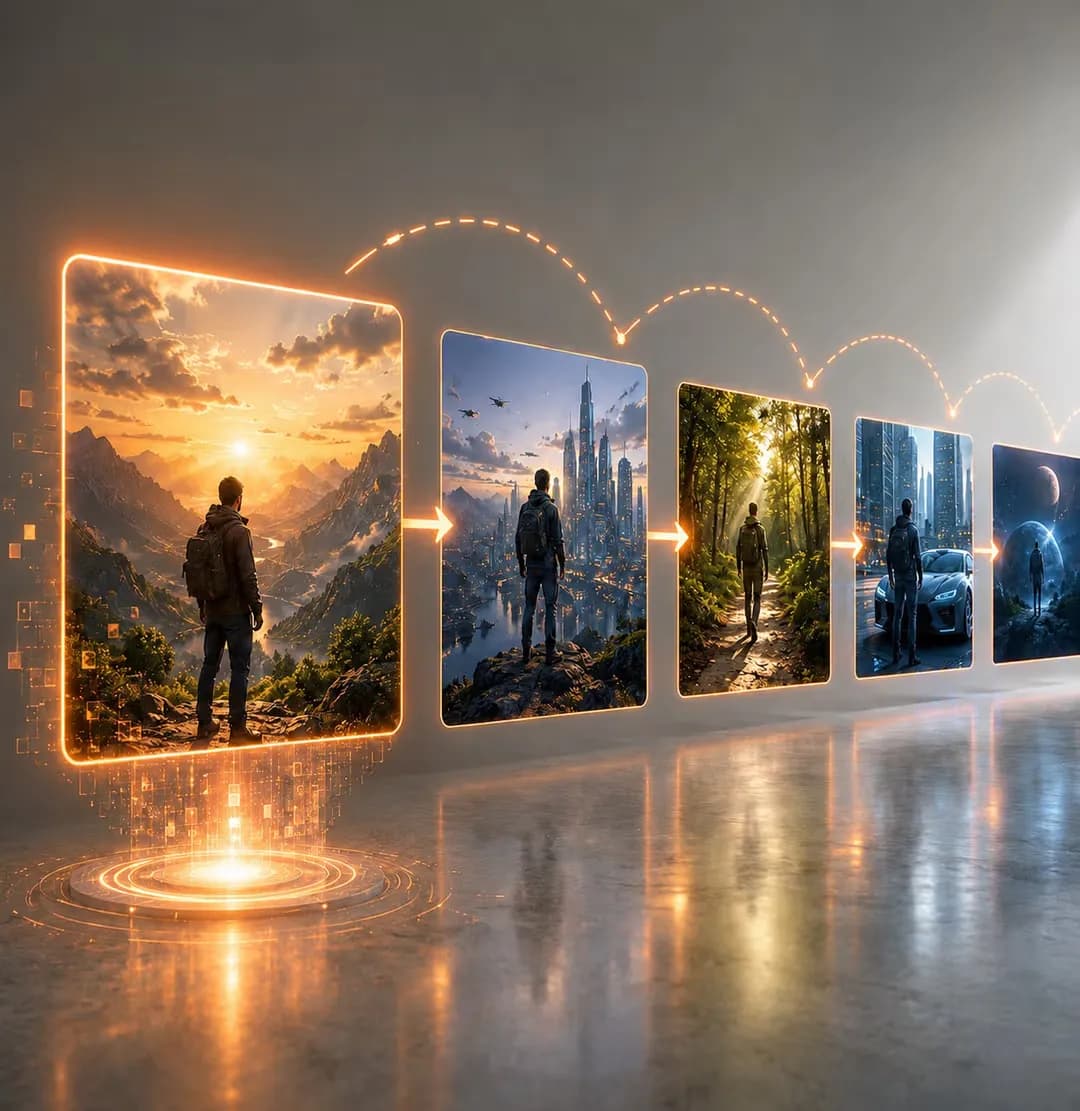
- “Turn its ideas into scenes.” → Show the content changing into visual scenes.
- “Add narration and captions.” → Show a voiceover and captions appearing.
- “Publish it on different platforms.” → Show different video formats.
The visual does not have to be complicated. It just needs to make the message easier to understand.
4. Create Visuals With AI
This is where AI can save a lot of time.
You can create images or video clips for different parts of your script. The more specific your prompt is, the more control you have over the result.
A useful prompt can mention:
- What is happening
- Who or what is in the scene
- Where it is happening
- Camera movement
- Lighting
- Visual style
For example:
“A content marketer reviewing a blog on a laptop in a modern workspace, natural lighting, slow camera movement, realistic professional style.”
Tools like Xelta's AI Video Generator can help create video content from text or images.
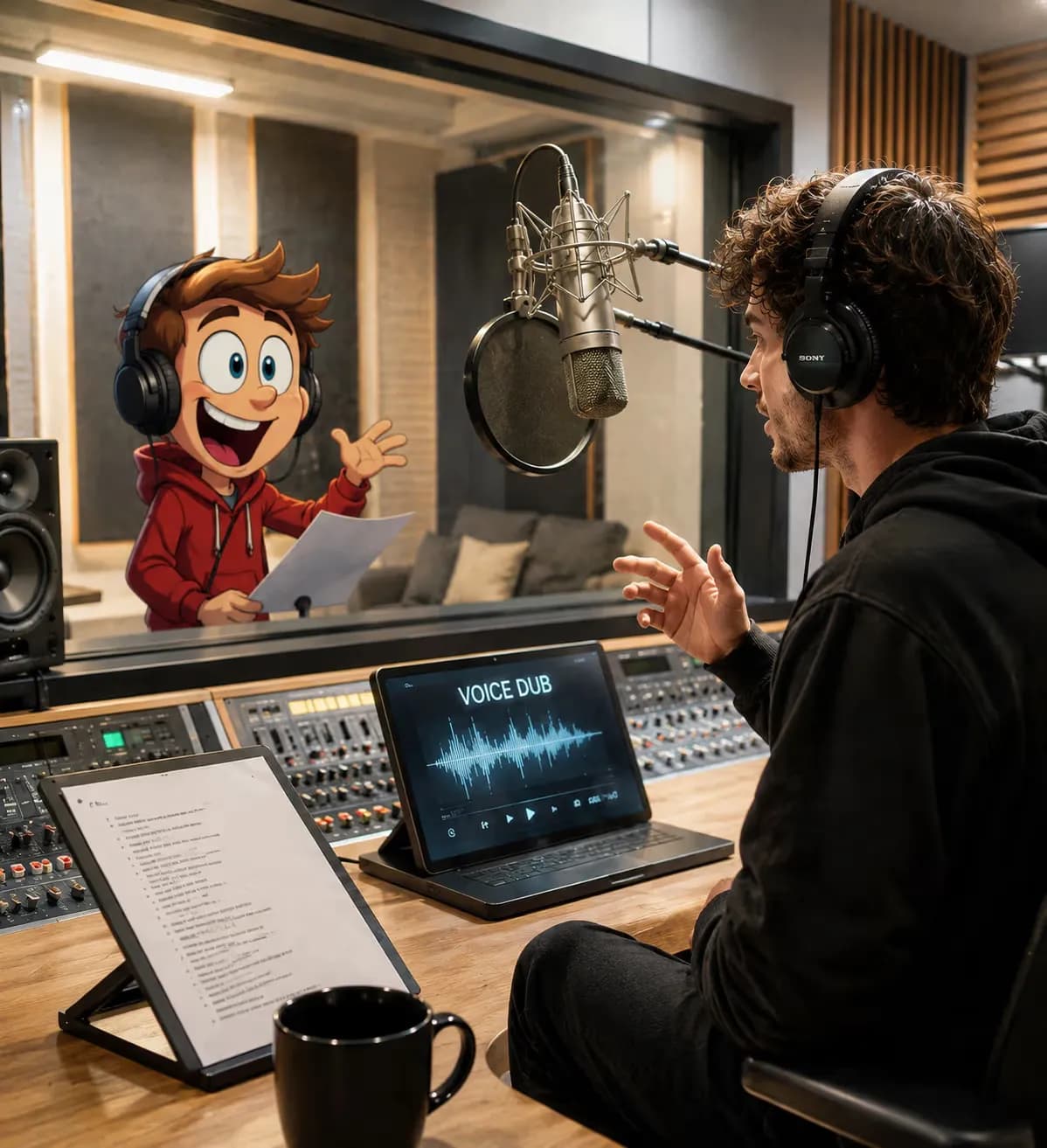
5. Add Voiceover and Music
Once your visuals are ready, add narration using your final script.
The voice should match the type of content. A tutorial may need a calm and clear voice, while a social video can feel more energetic.
You can also add background music, but keep it low enough that the voice remains easy to hear.
6. Edit Everything Together
This is where all the individual pieces become one video.
Before publishing, check:
- Does the video follow the script?
- Do the visuals match what is being said?
- Is the voiceover clear?
- Are the captions easy to read?
- Are the transitions smooth?
- Is anything unnecessary?
AI can speed up the process, but a final human review can make the video feel much more polished.
7. Adapt It for Different Platforms
The same video does not always need to stay in one format.
You can create:
- Instagram Reels: Vertical and fast-paced
- YouTube Shorts: Vertical with a strong opening
- LinkedIn: Professional and easy to follow
- YouTube: Horizontal for longer videos
- Website: Clear and informative
One blog can therefore become several pieces of video content.
Where Xelta Fits In
Turning a blog into a video can involve several different tasks, from creating visuals and generating video to adding voiceover and editing.
Xelta brings AI-powered image, video, sound, and creative tools together to make this process easier.
A simple workflow looks like:
Blog → Script → Scenes → AI Assets → Voiceover → Edit → Publish
The idea is simple: use AI to speed up production while keeping the content and creative direction in human hands.
FAQ
Can AI turn a blog post into a video?
Yes. AI can help create the script, visuals, voiceover, and other parts of the video. It is still important to review the final result before publishing.
Can one blog create multiple videos?
Yes. A single blog can become an overview, tips video, FAQ, step-by-step video, or a video focusing on one specific topic.
Does AI remove the need for video editing?
Not completely. AI can speed up production, but editing is still useful for timing, consistency, captions, and overall quality.
Final Takeaway
Turning a blog post into a video with AI is not about simply copying the article.
Take the main ideas, rewrite them for video, create visuals that support the message, add voiceover, and edit everything together.
With the right workflow, one blog post can become multiple pieces of useful video content without starting from scratch.