







Multilingual Video Generator Quality Scorecard for Real Marketing and Creative Work
A polished output can still fail the real job. For global marketing and creative teams, the useful standard is not whether a draft looks impressive for ten seconds. It is whether the asset can be approved, revised, published, and reused without creating hidden risk. The Xelta creative platform fits into that broader production mindset: start with a clear brief, generate deliberately, and keep human review in control.
The practical answer is to treat multilingual video generator as a managed workflow rather than a one-click result. Define the intended audience, channel, message, source assets, and approval threshold before generation begins. Then review the draft against topic-specific criteria instead of vague reactions such as 'looks good' or 'sounds natural.' That approach produces language versions that can be compared with the same objective quality standard.
This matters because the most expensive errors usually appear after a team has already created several versions. A missing constraint in the brief becomes inconsistent outputs, repeated generations, delayed reviews, and last-minute compromises. A structured process catches those problems while they are still cheap to fix.
A Multilingual Video Needs More Than Fluent Words
The direct answer is simple: use a written approval standard before you generate at scale. A strong multilingual video generator process defines what must stay fixed, what may vary, and what would make an output unusable. The best result is not necessarily the most cinematic or expressive. It is the version that communicates the intended message, fits the destination format, and survives factual, brand, and editorial review.
A practical team can use the AI video generation workspace to create or assemble drafts, but generation is only one stage. Inputs, review rules, and iteration decisions determine whether those drafts become reliable assets. Record the reason for each change so later versions improve instead of merely becoming different.
Set the Quality Bar Before Languages Multiply
Teams often start by judging the final surface: smooth motion, clean audio, attractive color, or a convincing face. That skips the harder question: does the asset do the job named in the brief? For multilingual video quality scoring, quality depends on message accuracy, continuity, audience fit, channel constraints, and a clear next action.
Write the intended outcome in one sentence. Name who should understand or do what after viewing. Add non-negotiable details, approved terminology, prohibited claims, visual references, and the final format. This turns subjective review into a decision process. It also makes feedback easier to act on because reviewers can point to a requirement rather than personal taste.
The Eight Dimensions of a Useful Localization Scorecard
Before generation, prepare a compact source package. It should contain the approved message, audience, channel, aspect ratio, duration range, brand references, required names, and any source image, script, audio, or footage. Weak source material forces the model and the reviewer to guess.
Separate facts from creative direction. Facts include product names, steps, prices, dates, claims, pronunciations, and legal language. Creative direction includes pace, camera behavior, tone, lighting, composition, and emotional energy. Mark which elements are fixed and which are open to experimentation. The output of this stage is a brief that another person could use without a long verbal explanation.

How to Score Meaning, Voice, Timing and Visual Fit
Use a staged process instead of generating the final asset immediately.
-
Define the publishing job. State the audience, channel, message, and desired response. Review whether the request is narrow enough to test.
-
Prepare inputs. Collect approved copy, reference assets, style cues, and technical limits. Remove contradictory instructions.
-
Create a low-risk first draft. Test the central idea before spending effort on every scene, language, or format.
-
Review the hard constraints. Check facts, identity, wording, timing, continuity, and required visual elements before polishing style.
-
Make one category of change at a time. Adjust the hook, then pacing, then visual treatment. Multiple simultaneous changes make results difficult to compare.
-
Produce controlled variations. Keep the brief stable while changing only the variable under test.
-
Run final human review. Confirm brand accuracy, claims, permissions, accessibility, and channel readiness.
-
Save the approved inputs and decision notes. The reusable record is part of the final output, not administrative clutter.
Weight Criteria by Campaign Risk and Channel
The main failure patterns for this topic are meaning drift, inconsistent naming, uneven voice quality, timing collisions, subtitle obstruction, and reviewer bias. These problems rarely have the same cause. Some come from incomplete inputs, some from an unsuitable model or workflow, and others from approving a visually strong draft before checking the underlying message.
Review in passes. First check meaning and factual accuracy. Next check identity, continuity, and composition. Then assess delivery, pacing, and emotional fit. Finish with technical and publishing checks. Separating passes reduces cognitive overload and makes comments more precise. It also prevents teams from spending time polishing a draft that should have been rejected for a basic requirement.
Run a Fair Review Across Languages and Reviewers
Use a score from one to five for each criterion, but define what the numbers mean. A one should describe a clear failure. A three should mean usable after specific corrections. A five should mean ready for the intended channel after normal final checks. Suggested criteria include message accuracy, audience fit, visual or audio quality, consistency, editability, brand alignment, and publishing readiness.
For a worked scenario, consider a product launch video adapted into five languages for regional paid campaigns. The team should approve the message and source package first, create one representative draft, and test it with the same scorecard that will be used later. A draft that scores highly on style but poorly on accuracy should not advance. A plain but accurate draft may be the better base for refinement.
Where Xelta Fits Into Multi-Language Production
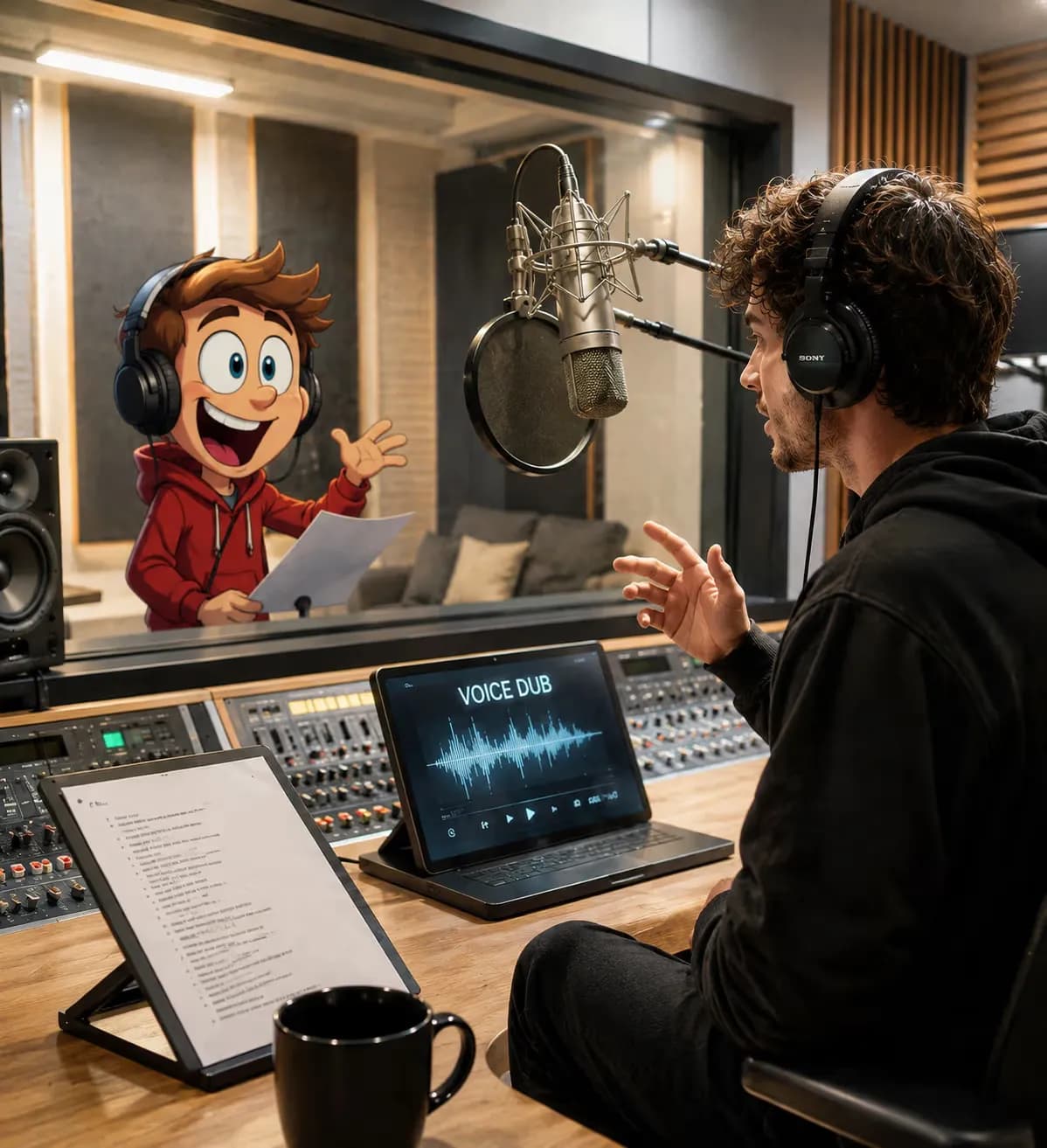
Xelta belongs after the brief is stable and before final editorial approval. A user can bring a script, reference visual, product image, audio direction, or campaign concept, then choose a relevant creation path and produce a first draft. The video dubbing workflow is the most topic-specific next step for this article, while the core generator supports the wider asset workflow.
The repetitive task that becomes easier is producing controlled versions from the same approved direction. Human review still decides whether the output is accurate, credible, lawful, brand-safe, and worth publishing. Specific scenes may need several attempts, and weak source assets will often produce weak results. Model choice and prompt clarity also affect the outcome.

From One Master Video to a Controlled Version Set
Input: the team brings the approved brief, required source assets, destination channel, and review criteria for a product launch video adapted into five languages for regional paid campaigns.
Action: select the relevant image or video workflow, add the reference material, and enter a structured direction that separates fixed requirements from creative choices.
First draft: create one representative version that proves the central idea rather than a full campaign pack.
Iteration: change one variable, such as the opening, pacing, voice, framing, language, or aspect ratio, and compare the new result against the same scorecard.
Human review: verify claims, visual realism, identity, rights, brand tone, and final publishing decisions.
Final use: approve the strongest version, document the settings and source package, then create the remaining channel or language variants. People who want more creation guidance can also follow the Xelta learning channel without treating any tutorial as a substitute for their own review process.
Documenting Evidence for Global Content Decisions
Publishing quality extends beyond the generated asset. Use a descriptive file name, accurate title, concise caption, and accessible text alternative where the channel supports it. For video, provide captions or a transcript when useful. For images, write alt text that explains the visual's purpose rather than stuffing the target keyword.
For search and AI answer systems, keep the surrounding page explicit. State what the asset demonstrates, who it is for, what method was used, and what limitations remain. Document author, review date, and methodology. Do not present a hypothetical scenario as a case study. Do not invent performance numbers. Trust grows when readers can see the decision process and distinguish observed facts from recommended practice.
A Review Record That Improves the Next Asset
A useful operating habit is to assign decision ownership before the first draft appears. One person should own factual accuracy, another can own creative quality, and a final approver should resolve conflicts. Without ownership, feedback becomes a collection of preferences. With ownership, every comment can be tied to audience needs, brand rules, or publishing risk.
Version names also matter. Label drafts by concept, variable, and review status rather than using vague names such as final-two or latest-new. Keep the source package beside the output. This is especially important for multilingual video quality scoring because a later reviewer may need to understand why a wording, voice, shot, or visual detail was accepted.
After publication, capture qualitative learning. Note where viewers seemed confused, which questions appeared repeatedly, and which production choices created avoidable revision. Do not claim that one asset proves performance. Use the observation to improve the next brief, test, and review standard.
Consistency Is the Real Scaling Advantage
A good multilingual video generator workflow makes approval easier, not just generation faster. Start with a narrow publishing job, prepare reliable inputs, test one representative draft, and review it in separate passes. Scale only after the result meets the standard that matters for the audience and channel.
The most practical next step is to create a one-page brief and a seven-criterion scorecard for the next real asset. Then use the video dubbing workflow to produce a controlled first version and record what changed between iterations. That record will save more time than an unstructured folder of impressive experiments.