



A Moving Image Can Fail Even When the First Frame Looks Perfect
The useful question is not whether the photograph moves. It is whether the motion preserves the information that made the photograph valuable. For photo to video ai, AI Video Creation workflows on Xelta are most useful when the team defines the a source photograph, destination, and approval rules before generating scenes. The first frame may impress, but the full sequence must preserve the source and survive editing.
For photographers, ecommerce teams, creative directors, and social video editors, the practical task is to turn a high-quality source photo, subject mask, motion intent, camera plan, continuity requirements, and final crop into a short animated clip that preserves identity, geometry, texture, and composition while adding believable motion. The article uses the Source-Motion-Temporal-Editability Scorecard to focus on source preservation, motion realism, geometry, edge behavior, camera control, and editability. The Source-Motion-Temporal-Editability Scorecard does not assume that generation clears rights, proves a claim, or removes the need for editing. Its main risk is that the generated motion may distort identity, product geometry, text, or fragile edges for a few frames.
The Core Test Is What the Motion Preserves
Evaluate photo-to-video output with a written motion contract and a preservation checklist. Inspect geometry, identity, texture, edges, start and end frames, and the final crop. A clip becomes production-ready only when it survives the real edit without hiding defects. A photo to video ai is useful when its drafts preserve the a source photograph, respond to targeted revision, and can be approved for one named destination.
Define Quality as Preservation Plus Directed Change
Treat the source format as material, not as the final structure. The real question is which motion, preservation, temporal, and editability signals show that a photo-to-video output can be used beyond a demo. Name the audience, final placement, allowed interpretation, protected facts, and reviewer. Then decide which parts of the a source photograph should be retained, shortened, rebuilt, or omitted. For photo to video ai, this decision prevents a tool comparison from becoming a collection of attractive samples. A animated videos created from photographs or still product images draft passes only when it communicates the intended point, preserves required information, and moves through revision without losing accepted elements.
The Source-Motion-Temporal-Editability Scorecard
The Source-Motion-Temporal-Editability Scorecard uses five connected records. Source Control defines the approved a source photograph and protected details. The editorial map states the viewer question, message, and omissions. The generation plan translates the a source photograph plan into scenes, prompts, references, audio, and edit points. The assembly review tests the animated videos created from photographs or still product images as a sequence. The release record identifies the approved photo to video ai version, destination, limitations, and owner. The Source-Motion-Temporal-Editability Scorecard records stop a a source photograph problem from being repaired in the wrong place. A source error should not be hidden with a new visual for animated videos created from photographs or still product images. A photo to video ai scene defect should not trigger a rewrite of the whole message.
Prepare the Photograph for Motion Testing
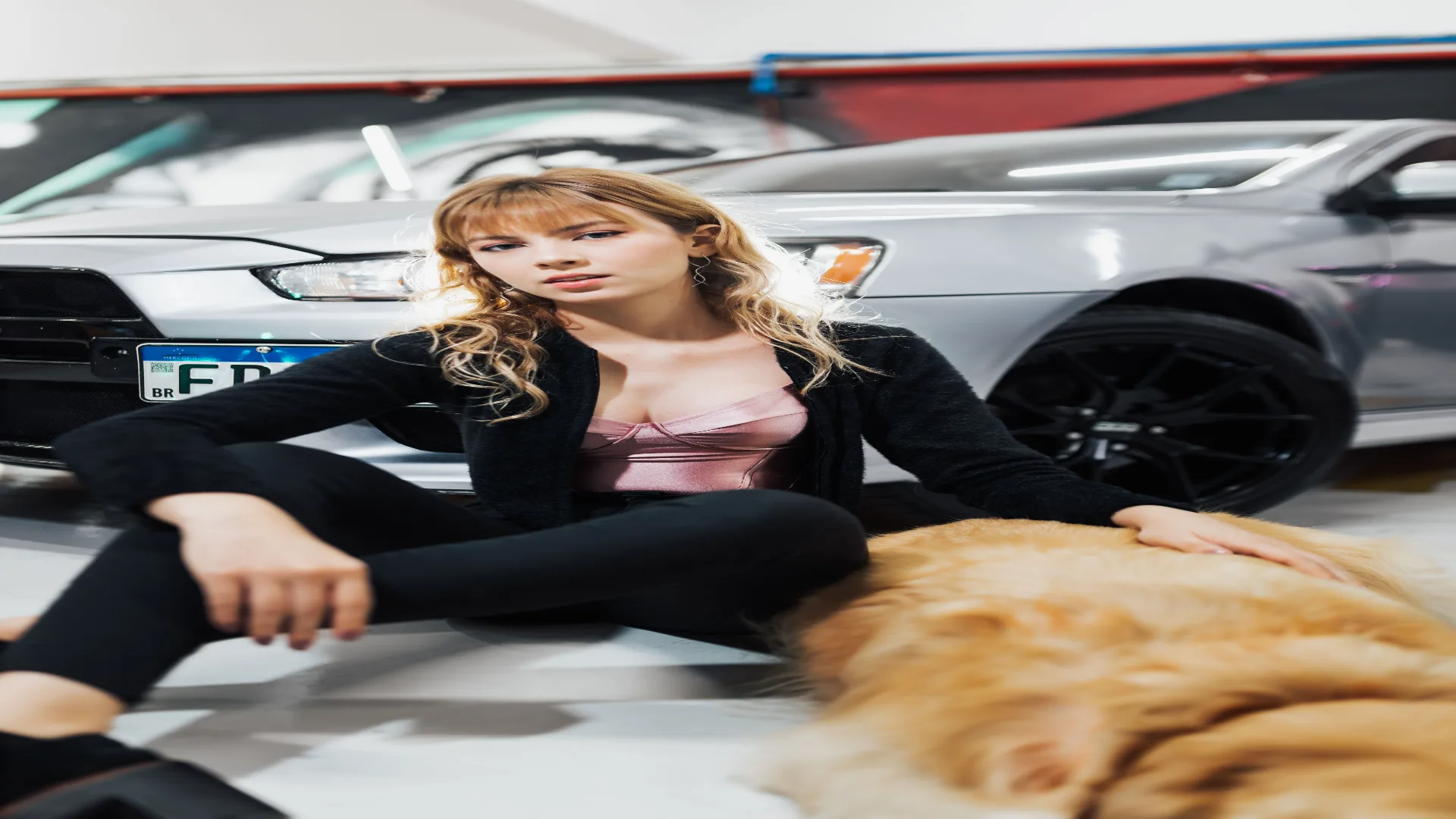
Use the highest practical source quality, correct obvious defects, confirm crop options, and identify the primary subject, background layers, reflections, text, faces, and fragile details. The generator cannot reliably preserve information the reviewer has not identified. Input: The approved photograph and destination formats. Output: A source inspection sheet with protected details. Review: Check resolution, rights, and crop safety. Next: Choose one motion intent.
Write the Intended Motion and Protected Areas
Describe subject movement, camera movement, environmental movement, speed, depth behavior, start frame, end frame, and areas that must remain unchanged. Directed change is easier to evaluate than a request to make the image cinematic. Input: The source sheet and creative objective. Output: A motion contract for one short clip. Review: Remove conflicting movements and vague style language. Next: Generate two controlled versions.
Inspect Geometry, Texture, and Edges Frame by Frame
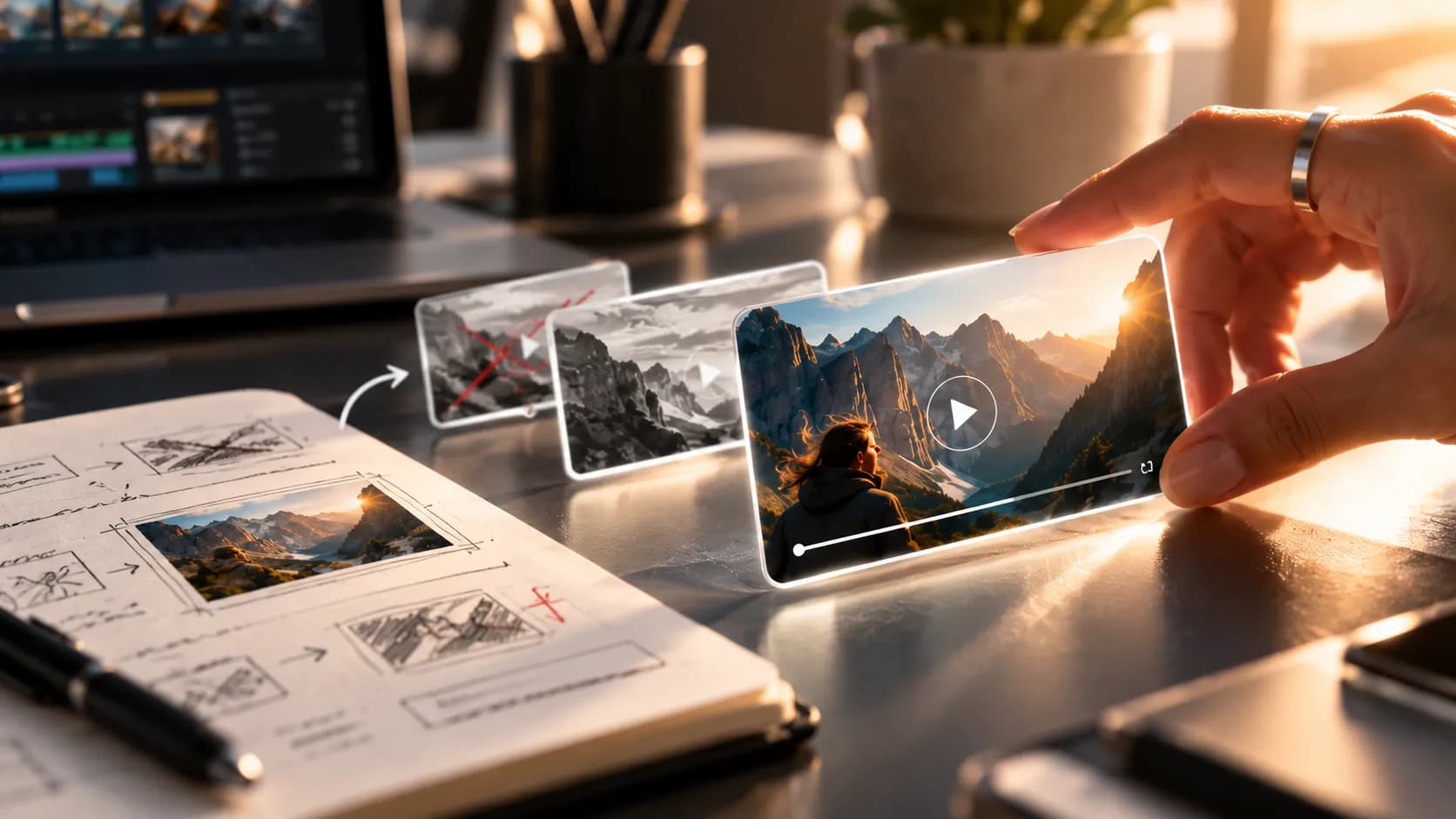
Check faces, hands, product shape, logos, seams, text, reflections, hair, thin objects, contact points, and background boundaries. Watch for stretching, melting, duplication, or texture drift. Temporal defects often appear for only a few frames. Input: Full-resolution outputs and the original photo. Output: A timestamped preservation defect log. Review: Compare critical frames side by side with the source. Next: Regenerate or mask the failing region.
Test the Clip in Its Real Edit and Crop
Place the result on the timeline, add the intended crop, speed change, transition, overlay, and audio. Check whether the start and end frames support the edit or loop. A useful clip must survive downstream treatment. Input: The candidate clip and destination sequence. Output: An editability score and approved use. Review: Preview every required aspect ratio. Next: Export only the version tied to a named placement.
A Product Photo Turned Into a Controlled Reveal
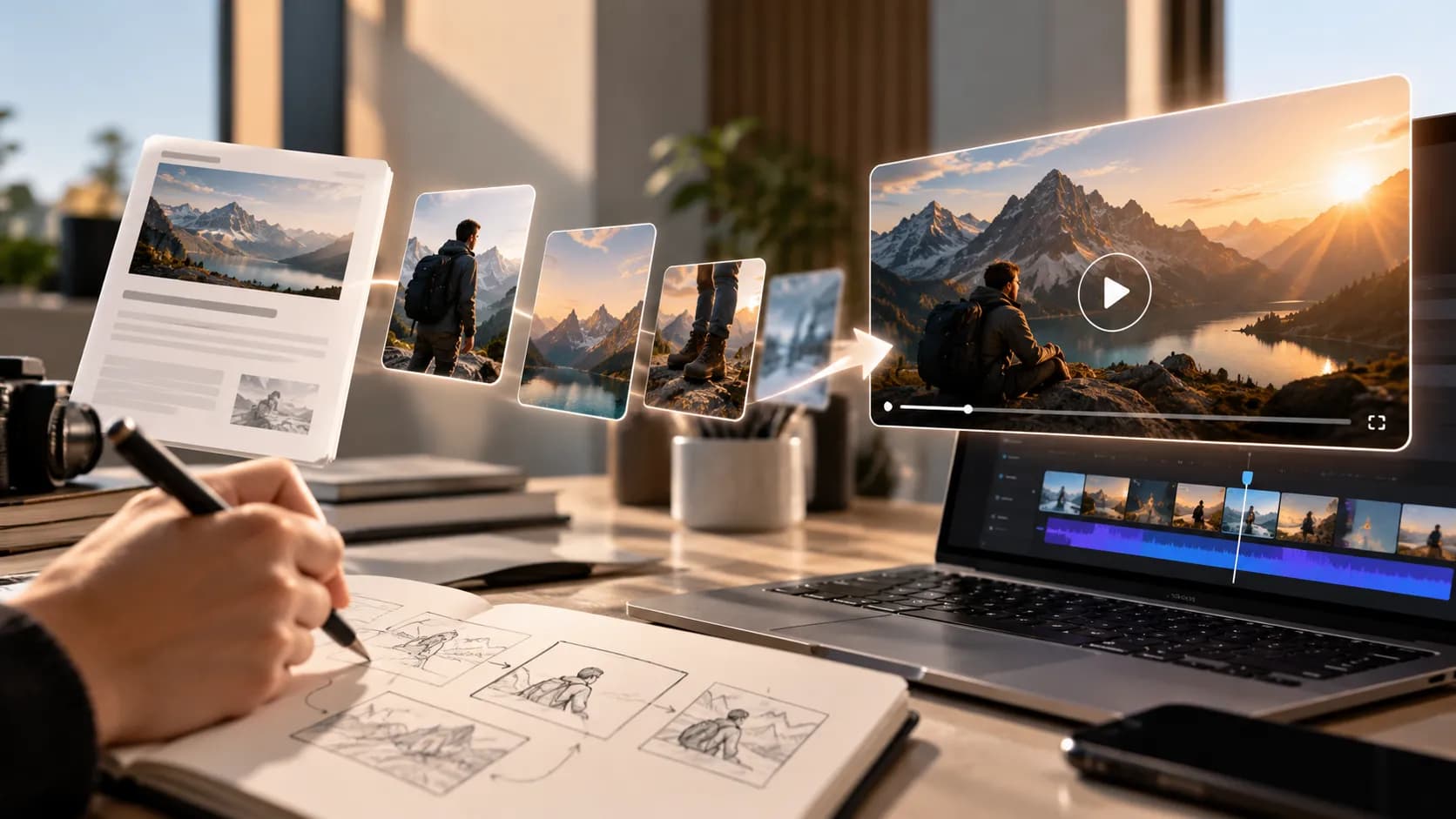
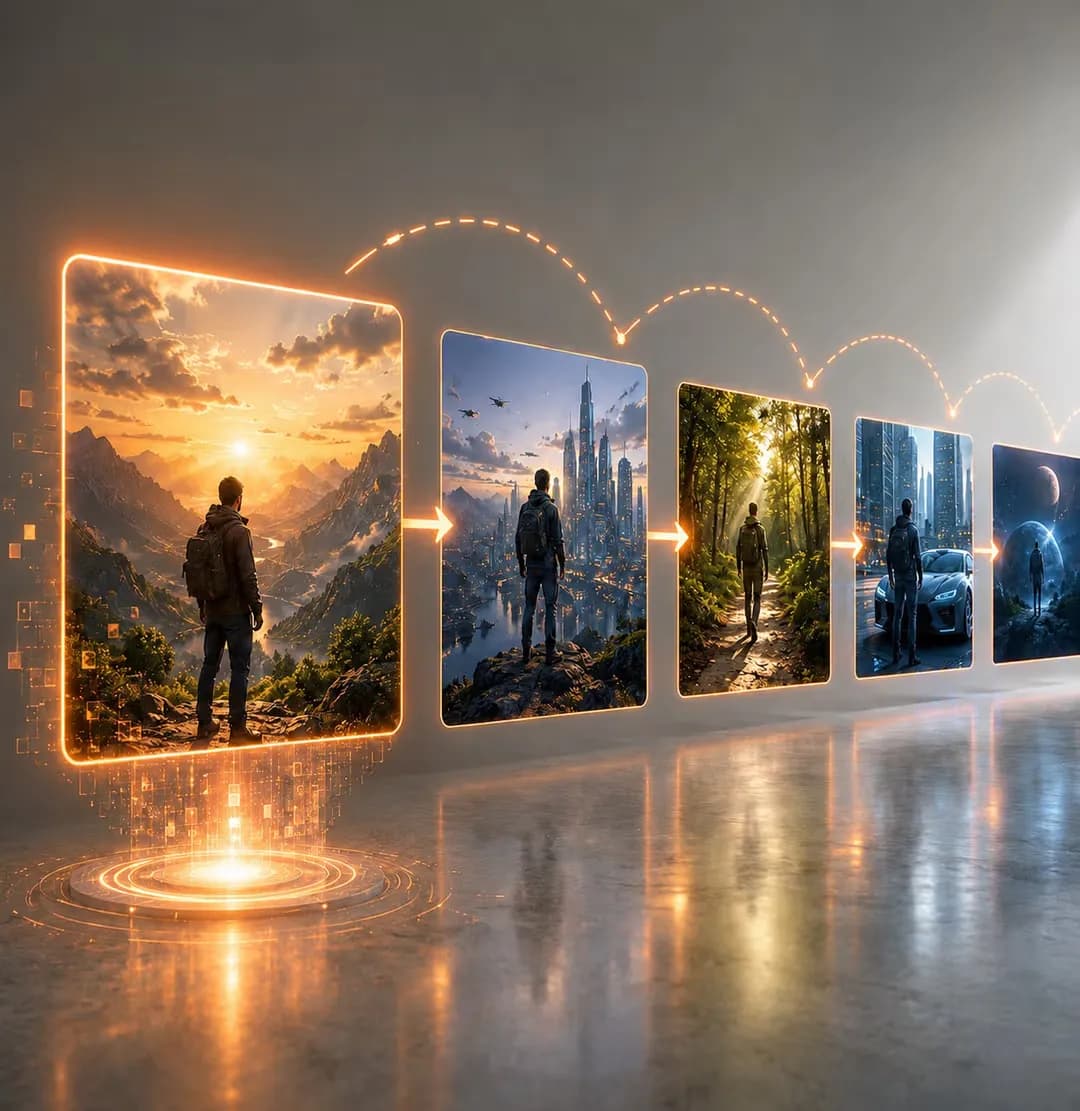
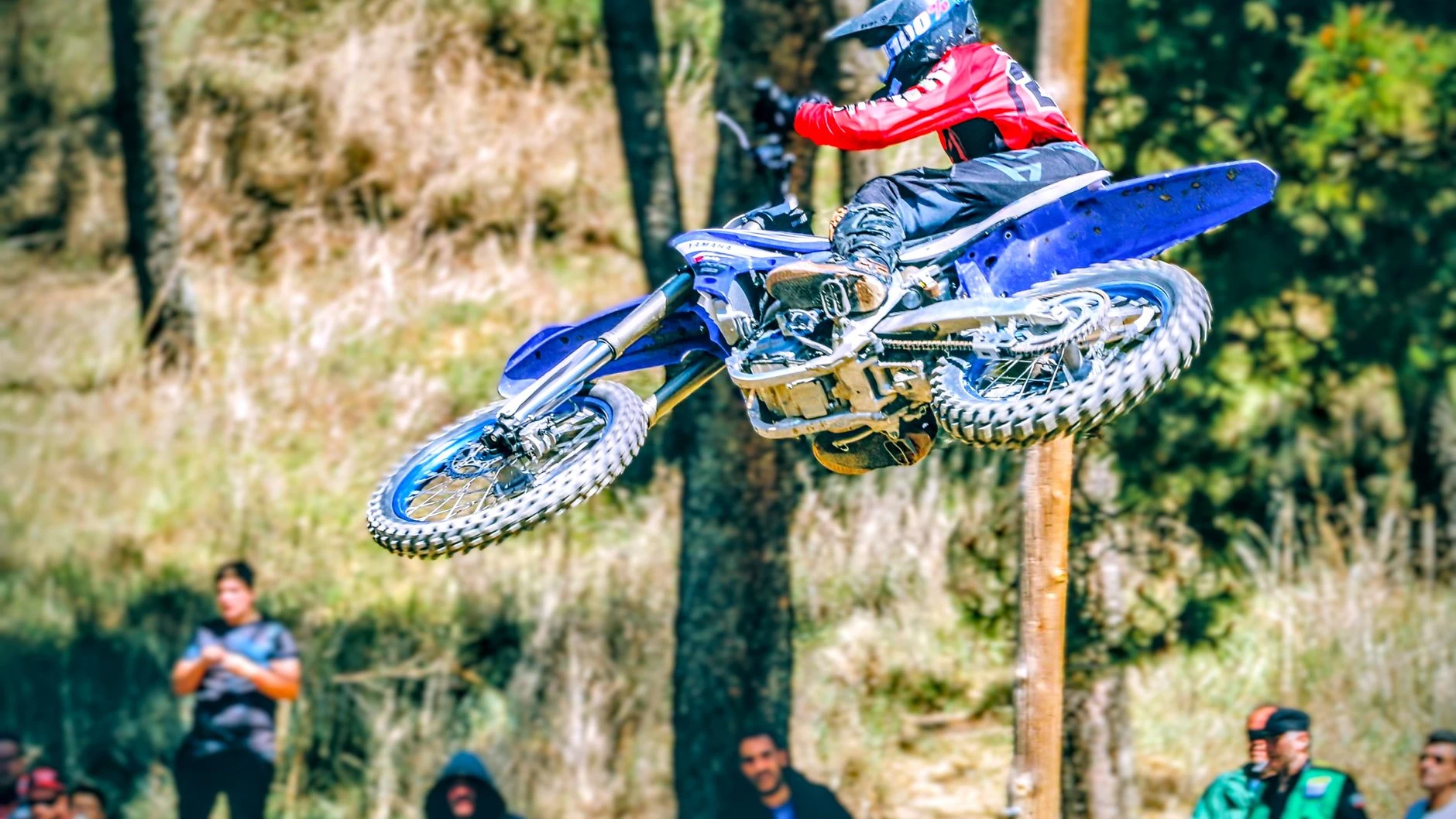
Use this worked example to test the method: a premium shoe photograph becoming a five-second product reveal with a slow camera orbit, controlled shadow shift, stable laces, and a clean loop point. The photo to video ai team first identifies protected facts in the a source photograph and one viewer outcome. It then creates a source map, a Source-Motion-Temporal-Editability Scorecard plan, and a named checklist for animated videos created from photographs or still product images. Early photo to video ai drafts are assembled before every detail is polished, so a source photograph sequence problems appear while they are still inexpensive to change. This a source photograph scenario is a worked example, not a performance claim. Reviewers should reject any animated videos created from photographs or still product images draft that changes important information, hides a limitation, or requires more repair than a simpler method.
Simple Parallax, Generative Motion, and Manual Animation
The photo to video ai options below solve different production problems. Compare them using a source photograph fidelity, control, review effort, editability, and destination fit. For animated videos created from photographs or still product images, the strongest method preserves required information and reaches approval without hiding repair work.
Photo Animation Defects Hidden by Fast Playback
The most damaging failure patterns are judging the clip from a compressed preview, asking for several camera and subject movements at once, ignoring thin edges, text, and contact points, checking only the middle frames, and approving a clip before testing the destination crop and edit. For photo to video ai, these errors make the animated videos created from photographs or still product images harder to verify and teach the team very little. Record the failure at its Source-Motion-Temporal-Editability Scorecard stage: source, brief, prompt, generation, edit, or release.
Review Practices for Reliable Image-to-Video Work
A stronger operating standard is to identify protected details before generation, write one clear motion contract per test, inspect the original and output frame by frame, evaluate start and end frames as edit points, and score preservation and editability separately from visual impact. For photo to video ai, these controls protect the relationship between the a source photograph and the final animated videos created from photographs or still product images.
Where the Wan Image-to-Video Workflow Fits
Xelta can enter after the team has prepared the a source photograph, the production map, and the acceptance criteria. The core video generator can support initial scene creation, while an image-to-video workflow for testing controlled motion from a source photograph offers a more specific route for this article's workflow. The photo to video ai user still chooses the a source photograph, approves instructions, compares drafts, and finishes the animated videos created from photographs or still product images edit.
The Source-Motion-Temporal-Editability Scorecard advantage is that exploration and variation happen closer to the approved a source photograph. That does not make every animated videos created from photographs or still product images detail accurate. Product facts, speaker identity, rights, accessibility, continuity, and the final photo to video ai placement remain human review responsibilities.
What a Creative Director Should Expect From the First Test
A useful first session begins with a high-quality source photo, subject mask, motion intent, camera plan, continuity requirements, and final crop. The user turns the a source photograph into one narrow photo to video ai assignment and generates a small comparison set. The first animated videos created from photographs or still product images draft is inspected for direction and source fidelity before polish. During Source-Motion-Temporal-Editability Scorecard revision, accepted elements stay fixed while one important variable changes.
Xelta creation guidance can support learning for photo to video ai, but project approval must come from the user's own a source photograph and checklist. The photo to video ai learning curve is mainly editorial: deciding what the viewer needs from the a source photograph, writing visible instructions, and diagnosing defects. The final animated videos created from photographs or still product images should be tied to one approved use and version.
Describe Quality Signals Clearly for Search Readers
For search and generative retrieval, a photo to video ai page should answer the central question early, define the a source photograph input and animated videos created from photographs or still product images output, and explain the Source-Motion-Temporal-Editability Scorecard with task-specific headings. Keep the photo to video ai transcript, visible article, FAQs, and structured data aligned. Label a source photograph examples clearly and avoid invented search volume, performance numbers, legal conclusions, or tool capabilities. This guidance is designed for photographers, ecommerce teams, creative directors, and social video editors and uses a reproducible editorial method: controlled source material, explicit transformation choices, staged review, and a documented release decision. The Source-Motion-Temporal-Editability Scorecard does not guarantee ranking, citation, or commercial results.
Approve the Motion Only When the Source Still Reads True
Begin with one approved a source photograph, one viewer job, and one destination. Use the Source-Motion-Temporal-Editability Scorecard to create a small draft set, record what changed, and approve only the version that preserves the required information. For photo to video ai, the next practical step is to open Wan Image to Video Workflow and test the topic-specific workflow with controlled a source photograph material.