






Define What Studio Means to the Customer
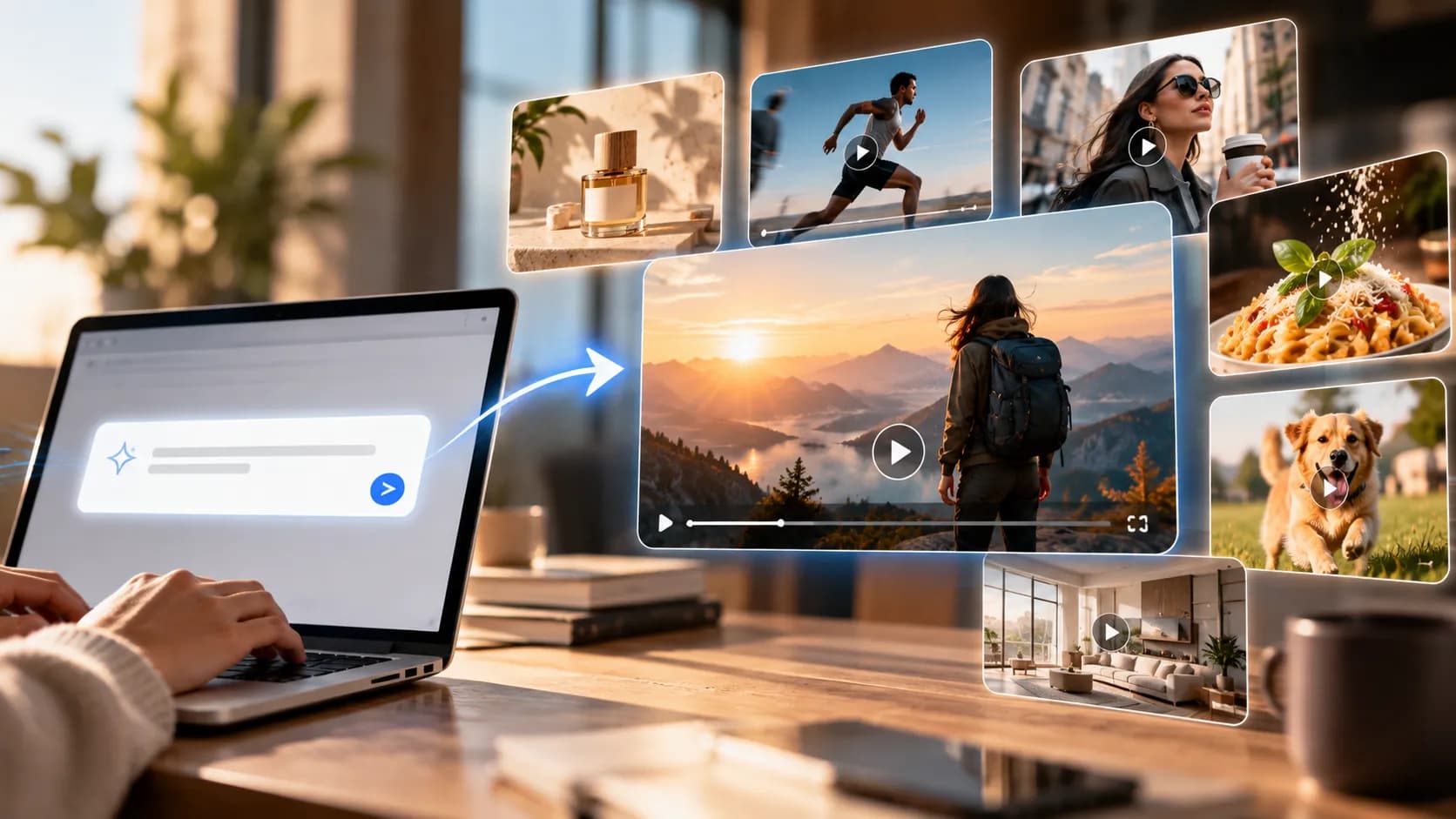
A studio advertisement for a small business has to work harder than a brand-awareness poster. It must identify the service, make the outcome tangible, reduce one concern, and give the viewer a simple next step. The strongest examples are not the busiest. They are the ones that make the booking decision feel specific. Xelta can support the production side when the campaign calls for generated images, videos, voices, or ad-specific workflows, but the business brief remains the source of truth.
A tool can propose how the campaign looks or sounds, but the team must supply what is true. That distinction should remain visible throughout the workflow.
Nine Advertisement Examples for Small Studio Businesses
Choose the concept by the customer decision it needs to support. A useful idea has a clear reason for existing, not just a different background or visual style.
-
First-visit offer: Lead with the most immediate reason to pay attention and keep the offer easy to understand.
-
Package explainer: Use a specific scene or proof element so the viewer can picture the outcome.
-
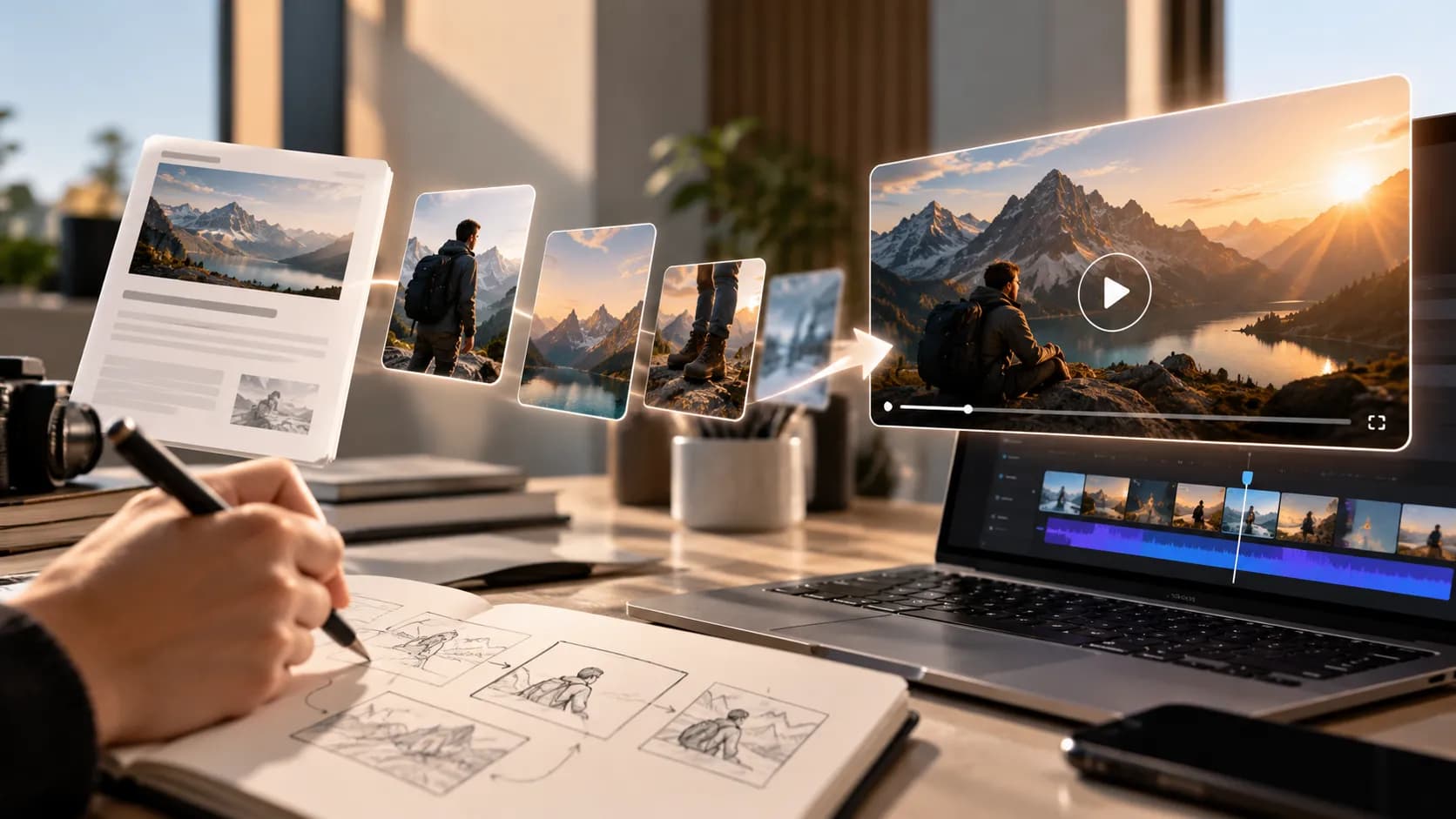
Process preview: Show enough process to reduce uncertainty without turning the ad into a full tutorial.
-
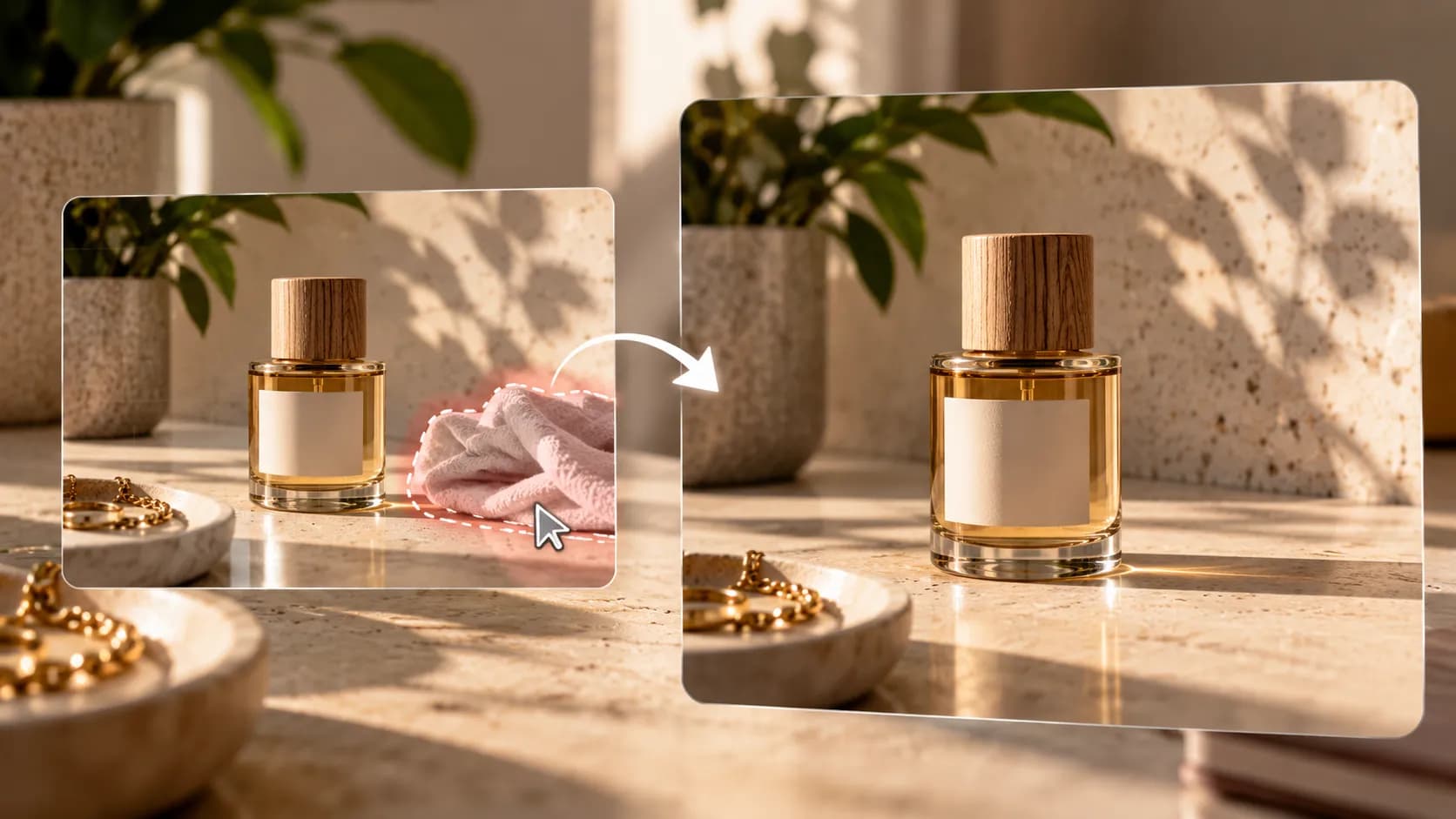
Before-and-after: Give the viewer a low-friction action that matches their readiness.
-
Local proof: Use real brand or community evidence where available and clearly label illustrative visuals.
-
Seasonal slot: Refresh timing or context while keeping the approved message consistent.
-
Testimonial: Answer one common hesitation directly rather than adding another generic benefit.
-
Behind the scenes: Reveal the product, service, or result in a way that can be understood without sound.
-
Limited availability: Use scarcity only when the limitation is real and the conditions are stated clearly.
Build the Podcast Recording Offer Step by Step
Consider a multipurpose creative studio promoting podcast recording sessions to local founders. The first draft should not try to explain every feature. It should identify one audience situation, place the product or service in that situation, and show the next decision clearly. The brief must also state what cannot change, including names, prices, packaging, dates, and approved claims.
Use the primary message as the control and vary one element at a time. A problem-led opening can be compared with an outcome-led opening while the product shot, offer, CTA, and destination remain fixed. This makes the result easier to interpret and prevents the team from crediting the wrong change. In the context of a multipurpose creative studio promoting podcast recording sessions to local founders, record the chosen correction before producing the next variation.
A convincing first output confirms only that the production direction is possible. It does not validate the claim, the audience fit, or the likely campaign result. Approval should compare the asset with the brief and destination before any media decision is made. Use a multipurpose creative studio promoting podcast recording sessions to local founders as the reference case and confirm the decision against the approved source material.
Adapt the Same Message for Poster, Feed, and Story
Once the idea is approved, use the brand poster workflow to create or adapt the relevant visual or video asset. Keep the offer and product facts fixed while changing the composition or opening. In the context of a multipurpose creative studio promoting podcast recording sessions to local founders, record the chosen correction before producing the next variation.
-
Choose one measurable campaign purpose and write it at the top of the brief. Every creative choice should support that purpose or be removed.
-
Assemble the product, service, or event facts in a locked reference section. Add final spelling, dates, prices, and any wording that cannot be paraphrased.
-
Choose the workflow that matches the required medium instead of forcing every campaign into one generator.
-
Describe the creative range with boundaries. Define the permitted mood, setting, camera behaviour, and level of realism while protecting identity and approved claims.
-
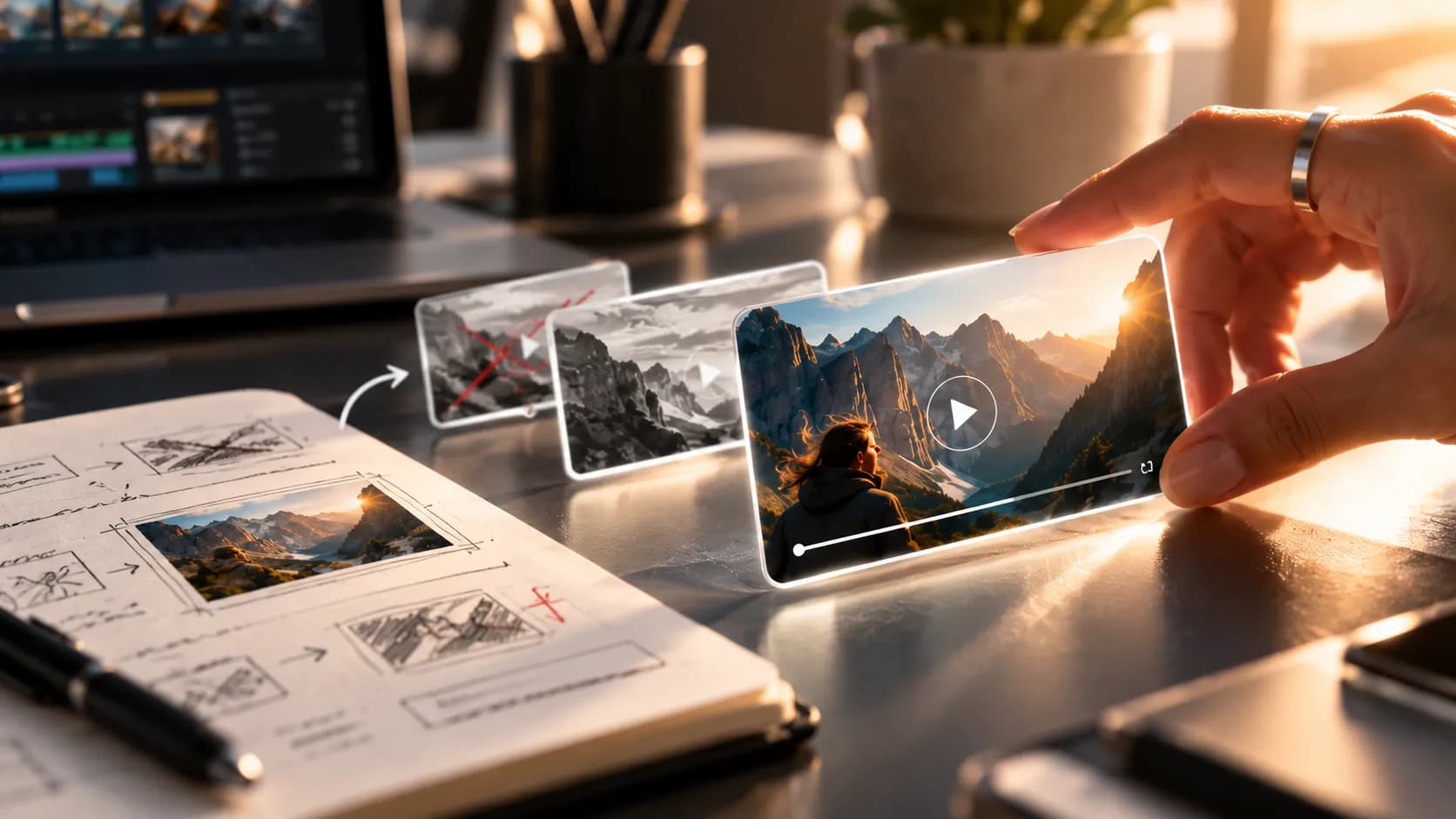
Create one baseline and a few hypothesis-led alternatives. Random variety makes approval slower and testing less informative.
Use Proof Without Overloading the Layout
Use variation to answer a question. Each new version should test a defined audience concern, proof style, or placement need while protecting the approved core.
| Area | How to evaluate | Warning sign |
| --- | --- | --- |
| First-visit offer | Keep it fixed or test it deliberately | Reject versions that make the decision less clear |
| Package explainer | Keep it fixed or test it deliberately | Reject versions that make the decision less clear |
| Process preview | Keep it fixed or test it deliberately | Reject versions that make the decision less clear |
| Before-and-after | Keep it fixed or test it deliberately | Reject versions that make the decision less clear |
| Local proof | Keep it fixed or test it deliberately | Reject versions that make the decision less clear |
| Seasonal slot | Keep it fixed or test it deliberately | Reject versions that make the decision less clear |
Small-Business Details That Must Be Exact
Do not solve a systematic problem with manual cleanup on every file. Strengthen the brief, protected elements, and review checklist so the next version starts closer to approval.
-
Advertising every service in one creative.
-
Using stock or generated images that misrepresent the space.
-
Hiding pricing conditions.
-
Making the cta depend on a long caption.
The useful boundary is simple: AI may generate options, but it should not invent the facts that justify the campaign. The business remains responsible for the product, promise, permissions, and final communication. Use a multipurpose creative studio promoting podcast recording sessions to local founders as the reference case and confirm the decision against the approved source material.
Do not review only the hero frame. Check every text element, edge crop, product view, face, hand, transition, subtitle, and spoken name that affects trust. Small inconsistencies become more visible after publication. For this studio advertisement workflow, connect the check to a multipurpose creative studio promoting podcast recording sessions to local founders before the asset moves to delivery.
Commercial readiness also depends on the selected plan and workflow. Verify credits, supported outputs, duration, resolution, watermark status, exports, and usage terms using the current product information.
Make the Next Step Easy to Complete
Use a multipurpose creative studio promoting podcast recording sessions to local founders to create a small pilot with a named owner and review date. The first approved asset should become the reference for copy, product presentation, and format adaptation, making download templates easier to govern.
Document the approved baseline before scaling. Future adaptations should be able to trace their copy, product treatment, format rules, and reviewer back to one controlled source.