





The Best Way to Test AI Image Upscaler Before Scaling a Campaign
The most dangerous upscale is the one that looks convincing before anyone checks the details. Campaign teams, ecommerce operators, print coordinators, designers, and agencies preparing small source images for larger placements often find the defect only after the file is resized or placed in a real layout. For ai image upscaler, the Xelta creative platform fits a disciplined process: define the job, control what may change, and keep final approval human.
Treat ai image upscaler as a production method, not a one-off effect. The target is a tested upscaling rule that identifies which images can be enlarged safely, which need conservative treatment, and which must be rebuilt or replaced. Preserve logos, packaging text, facial identity, product edges, fine patterns, color, proportions, and the intended viewing distance, then test the result in the exact formats where it will be published.
A pilot protects the campaign from repeating the same artifact across hundreds of enlarged files. A small pilot prevents invented text or texture from spreading through a full campaign library. A repeatable ai image upscaler workflow keeps the source, edit direction, correction notes, approval, and final use connected.
Upscaling Cannot Recover Detail That Never Existed
The test must happen before the batch: Test an AI image upscaler on a representative sample before processing a campaign. Include faces, text, packaging, fine patterns, low-light files, and compressed sources. Compare results at 100 percent and at final viewing size, log invented detail and repair time, and set different pass thresholds for web, paid media, and print. For ai image upscaler, use the AI image generation workspace for controlled exploration, then apply source, destination, and human review.
Define the Campaign Failure You Are Trying to Prevent
Upscaling risk is uneven across an archive. The final asset must preserve logos, packaging text, facial identity, product edges, fine patterns, color, proportions, and the intended viewing distance. Write those items as non-negotiables before any generation or edit begins.
Next, define the approval evidence. Reviewers should score edge stability, natural texture, text fidelity, face integrity, pattern continuity, noise behavior, and appearance at final viewing size. For ai image upscaler, decide what counts as approve, revise, and reject before the first candidate is shown. Faces, labels, fabric, hair, reflective products, and geometric patterns deserve separate test cases because their failure modes differ.
Build a Representative Test Set Before Batch Processing
The test set should reflect the weakest files the campaign may still need. The input pack should contain a representative source set, original dimensions, final destination sizes, crop plans, known high-risk details, and blind-review scoring sheets. The ai image upscaler input pack should also name the approver and the reason the asset exists. A clear destination narrows composition, texture, crop, and export decisions. The expected outputs are upscaled candidates, side-by-side detail crops, final-size proofs, artifact notes, pass thresholds, and a list of images that need manual intervention. Keep them together with the source and revision note. That ai image upscaler record lets another teammate understand, repeat, or challenge the decision without relying on memory.

A Blind Review for Sharpness, Texture and Text
-
Choose a risk-balanced sample. For ai image upscaler, use the approved input pack to create a job statement; review it before continuing. 2. Preserve original files. For ai image upscaler, use the approved input pack to create a source-risk note; review it before continuing. 3. Run fast and conservative options. For ai image upscaler, use the approved input pack to create a protected-area map; review it before continuing. 4. Inspect detail crops. For ai image upscaler, use the approved input pack to create a candidate set; review it before continuing.
-
Judge at viewing size. For ai image upscaler, use the approved input pack to create a defect record; review it before continuing. 6. Log manual fixes. For ai image upscaler, use the approved input pack to create a approved proof pack; review it before continuing. 7. Approve the batch rule. For ai image upscaler, use the approved input pack to create a handoff record; review it before continuing.
Test the route on a set of older ecommerce images that must support a new landing page hero, a high-density display, and a print sales sheet. Keep one major variable stable, record the changed instruction, and reject any candidate that damages logos, packaging text, facial identity, product edges, fine patterns, color, proportions, and the intended viewing distance. At the last gate, score edge stability, natural texture, text fidelity, face integrity, pattern continuity, noise behavior, and appearance at final viewing size and write down the remaining limitation before export.
Faces, Packaging and Fine Patterns Need Separate Checks
Upscale artifacts spread quietly because teams approve a reduced preview. Common failures include invented lettering, waxy faces, zipper-like edges, repeated pores, false stitching, ringing around logos, smoothed packaging, and detail that looks sharp only when zoomed out. Each ai image upscaler defect should trigger a clear action: local repair, a changed boundary, a more conservative route, or source rejection.
Best practice is different from correction. Inspect text, faces, logos, fine patterns, and reflective surfaces at full size before accepting batch settings. Update the ai image upscaler checklist so that failure is easier to catch on the next assignment. The ai image upscaler process improves when reviewers turn a defect into a reusable rule.
Fast Upscale, Conservative Upscale or Manual Rebuild
Upscaling methods differ in how much detail they invent and how much texture they preserve: fast upscaling, conservative upscaling, manual reconstruction of critical details, and source replacement when the original lacks usable information. Compare the ai image upscaler routes by correction cost, control, source quality, destination risk, and finishing skill. Use the lowest-risk method that meets the brief. Automation adds value to ai image upscaler when the task is bounded and repeatable. For ai image upscaler, manual work remains stronger around exact text, delicate identity details, strict geometry, or missing evidence.
Where Xelta Fits in an Upscaling Pilot
Xelta fits during a small pilot before the campaign archive is processed. A user can begin with a representative source set, original dimensions, final destination sizes, crop plans, known high-risk details, and blind-review scoring sheets and create a small comparison that can be scored against edge stability, natural texture, text fidelity, face integrity, pattern continuity, noise behavior, and appearance at final viewing size. The first draft is a candidate, not an automatic final asset.
The platform can reduce repetitive variation and proof creation for teams with a mixed archive that need to test a small sample before processing hundreds of campaign assets. Human reviewers still own logos, packaging text, facial identity, product edges, fine patterns, color, proportions, and the intended viewing distance, rights, claims, realism, accessibility, and the publishing decision.
From Small Product Image to Landing Page and Print Draft
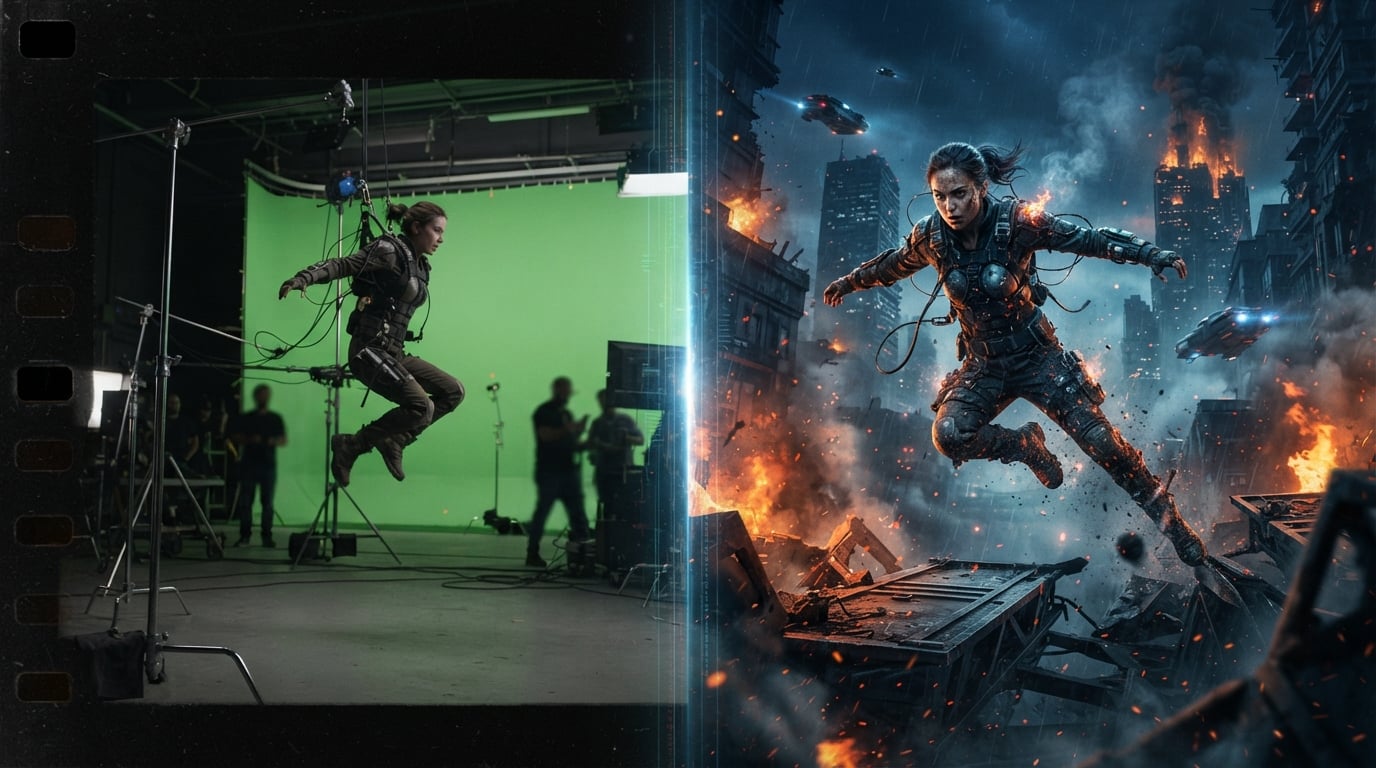
Input: a representative source set, original dimensions, final destination sizes, crop plans, known high-risk details, and blind-review scoring sheets. Action: create fast and conservative upscale candidates. First draft: side-by-side enlarged files for review. Iteration: change the upscale mode or rebuild critical text manually. Human review: text, faces, packaging, patterns, ringing, and invented detail. Final use: upscaled candidates, side-by-side detail crops, final-size proofs, artifact notes, pass thresholds, and a list of images that need manual intervention.
The repetitive advantage is faster comparison and planned versioning. The learning curve is source selection and boundary control. Users should expect upscaling can synthesize plausible detail, but it cannot confirm that the new detail is factually correct or faithful to the original object. The Xelta visual production guidance can support broader learning, but the team must still apply its own brief and approval rules.
Track Artifacts Before They Multiply Across Variants
An upscaling pilot needs saved originals and detail crops so invented information can be challenged later. Save the ai image upscaler source, brief, changed variable, candidate, reviewer, decision, and known limitation. That ai image upscaler record supports editorial accountability without implying direct testing of every product condition. The guidance is written for campaign teams, ecommerce operators, print coordinators, designers, and agencies preparing small source images for larger placements and is based on common production controls: bounded inputs, comparable outputs, destination proofs, and human approval. Do not describe invented sharpness as recovered truth; filename, alt text, and nearby copy should remain accurate to the source and final approved asset. Keep factual and legal claims outside the ai image upscaler asset unless they are approved separately.
Set Passing Thresholds by Destination
Set the campaign rule from the weakest acceptable source. The passing check is: source class recorded; mode logged; high-risk details inspected; final-size proof passed; fixes measured; batch rule approved. Record each ai image upscaler failure reason so the next brief can improve.
Track one ai image upscaler measure, such as repair minutes, revision rounds, approval delay, or reuse. Then test a set of older ecommerce images that must support a new landing page hero, a high-density display, and a print sales sheet at 100 percent, at final size, and inside the real layout before the ai image upscaler workflow is expanded.
Scale the Campaign Only After the Weakest Image Passes
A campaign should scale only after the upscaler has passed the files most likely to expose invented detail. Start the ai image upscaler rollout with one real assignment and complete the full approval cycle before scaling. Keep the ai image upscaler source, rejected candidates, repair notes, and decision together so the next project begins with evidence.
For a controlled next step, use the fast image upscaling workflow with a narrow brief and a named reviewer. The goal is not to remove every manual decision. The aim of ai image upscaler is easier repeated production while the final asset remains accurate, useful, and channel-ready.