

Why AI Avatar Generator from Photo Fails for Creators and How to Improve the Brief
One photograph shows a person; it rarely explains a reusable avatar identity. Creators, founders, educators, community teams, and marketers building a repeatable avatar from a personal photograph often discover the problem only after a candidate reaches a real crop, review meeting, or publishing surface. For ai avatar generator from photo, the Xelta visual production platform can support a controlled process built around a clear brief, bounded changes, and human approval.
Treat ai avatar generator from photo as a production decision rather than a novelty effect. The target is an avatar brief that preserves recognizable identity while giving the model enough controlled direction for style, pose, clothing, background, and intended channel. Protect facial proportions, age, skin tone, hairline, distinctive features, eyewear, body cues, brand role, and any identity detail the creator considers non-negotiable, then test the result in the exact context where a viewer, shopper, client, or collaborator will interpret it.
The brief must distinguish stable identity traits from the creative choices that may change from scene to scene. A repeatable ai avatar generator from photo workflow connects the source, instructions, candidate, review notes, approval, and final use so the team can improve the process instead of guessing again.
A Photo Is Not an Avatar Brief
The brief should carry more identity than style: An AI avatar generator from photo often fails because the source does not explain which identity traits must stay fixed. Use several references, write an identity sheet, separate stable traits from creative choices, limit the first pose and style change, and review recognition before expanding into more scenes or formats. Use the AI image generator to stabilize identity before adding style.
Why One Reference Image Produces Identity Drift
List the features that make the person recognizable before discussing illustration style. The final asset must preserve facial proportions, age, skin tone, hairline, distinctive features, eyewear, body cues, brand role, and any identity detail the creator considers non-negotiable. Write those items as non-negotiables before any ai avatar generator from photo generation begins. For ai avatar generator from photo, this makes review faster because the team knows which changes are creative options and which changes are failures. Next, define the evidence reviewers will use. Score identity consistency, style coherence, pose plausibility, wardrobe accuracy, expression, repeatability, crop range, and the amount of prompt drift. Set an approve, revise, and reject threshold before viewing candidates. Conflicting instructions about age, hair, style, pose, and wardrobe force the model to guess which identity signal matters most.
Write the Identity Sheet Before the Style Prompt
Turn the reference set into a short identity specification. The input pack should contain several clear reference photos, a written identity sheet, channel and audience, style references described by qualities, pose limits, wardrobe notes, background needs, and prohibited changes. The ai avatar generator from photo input pack should name the final use, the owner of approval, and the details that cannot be inferred safely. For ai avatar generator from photo, a specific destination narrows composition, crop, identity, garment, color, disclosure, and export decisions. The expected outputs are an identity reference board, structured prompt, first candidate set, face and silhouette proofs, iteration log, approved avatar master, and channel crops. Keep them beside the source and revision note.
A Seven-Step Brief From References to Approved Avatar
- Collect several identity references. For ai avatar generator from photo, use the approved inputs to create a source record; review it before continuing. 2. Write stable and flexible traits. For ai avatar generator from photo, use the approved inputs to create a constraint sheet; review it before continuing. 3. Limit the first style and pose. For ai avatar generator from photo, use the approved inputs to create a bounded test brief; review it before continuing. 4. Create a small candidate set. For ai avatar generator from photo, use the approved inputs to create a candidate set; review it before continuing. 5. Check recognition before decoration. For ai avatar generator from photo, use the approved inputs to create a defect log; review it before continuing. 6. Expand into channel formats. For ai avatar generator from photo, use the approved inputs to create a destination proof; review it before continuing. 7. Save the identity rules with the master. For ai avatar generator from photo, use the approved inputs to create a approval handoff; review it before continuing. Run the route on a course creator who needs a recognizable illustrated avatar for thumbnails, lesson covers, community posts, and a speaker bio. Keep one major variable stable during each iteration, record the changed instruction, and reject any candidate that damages facial proportions, age, skin tone, hairline, distinctive features, eyewear, body cues, brand role, and any identity detail the creator considers non-negotiable.
Conflicting Style, Pose and Wardrobe Instructions
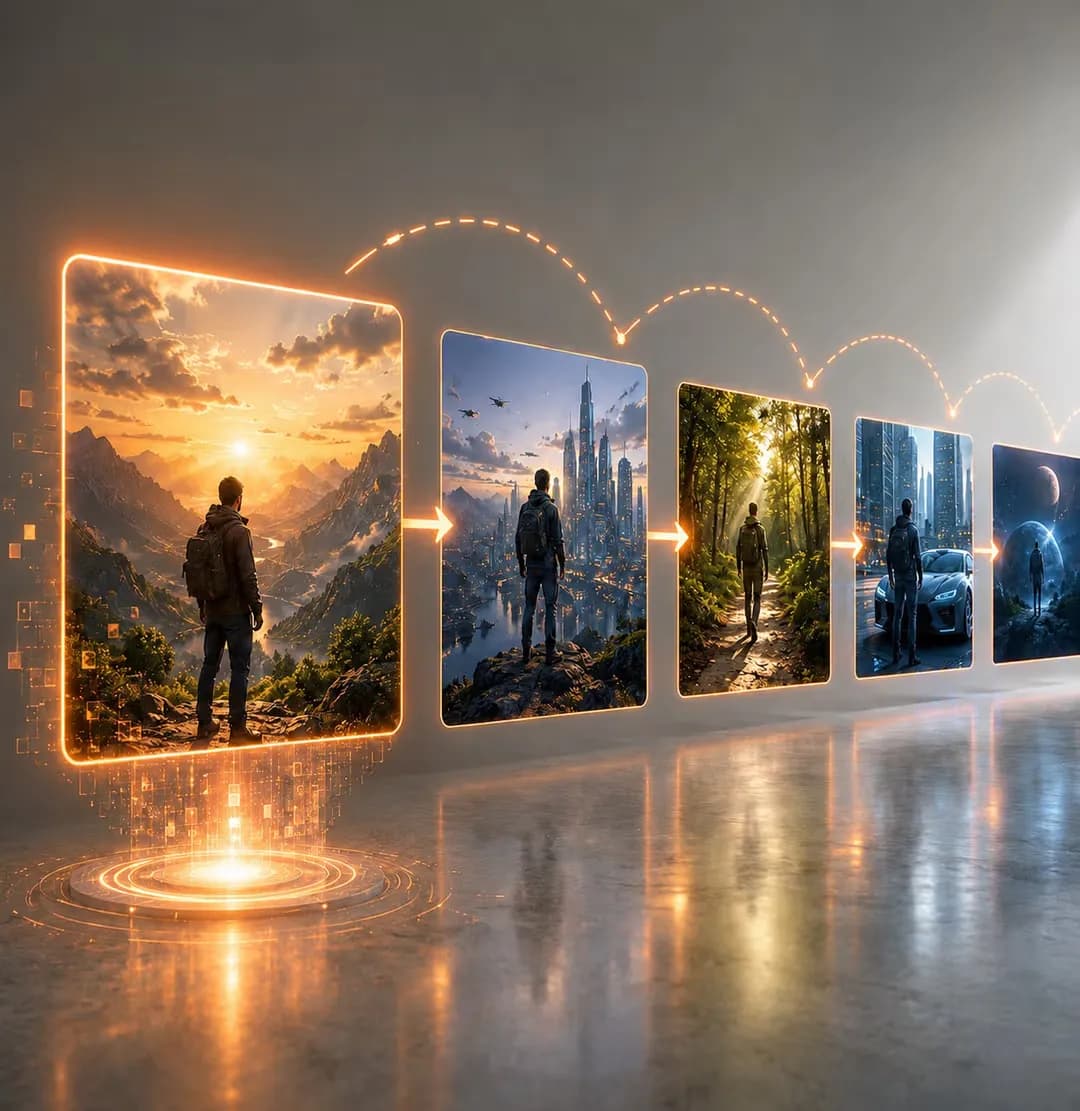
Avatar drift grows when the prompt asks for several creative changes before recognition is stable. Common ai avatar generator from photo failures include one-photo overfitting, changed age, drifting face shape, inconsistent hair, generic clothing, contradictory style terms, extreme pose requests, and no rule for what must remain the same. Each ai avatar generator from photo defect should trigger a named action: repair a local area, clarify the brief, change the source pairing, use a safer method, or reject the candidate. Best practice is different from correction. Stabilize identity in a plain first output before adding unusual clothing, pose, background, or illustration style.
Single Photo, Multi-Reference Brief or Manual Illustration
Creators can build identity from one photo, several references, manual illustration, or a fully fictional character: a single-photo prompt, a multi-reference identity brief, manual illustration, a photography-based personal brand, and a fully fictional avatar with no real-person identity requirement. Compare the ai avatar generator from photo options by source requirements, control, correction effort, evidence risk, repeatability, and finishing skill. Use the lowest-risk route that meets the actual brief. Automation can add value to ai avatar generator from photo when the task is bounded and repeatable.
Where Xelta Fits in Repeatable Avatar Creation
Xelta fits once stable identity traits and flexible creative choices are written. A user can begin with several clear reference photos, a written identity sheet, channel and audience, style references described by qualities, pose limits, wardrobe notes, background needs, and prohibited changes and create a small ai avatar generator from photo comparison that can be judged against identity consistency, style coherence, pose plausibility, wardrobe accuracy, expression, repeatability, crop range, and the amount of prompt drift. The first ai avatar generator from photo output is a candidate, not an automatic final asset. The platform can make planned variation and comparison easier for creators who can supply several references, define stable identity traits, and accept planned iteration before approving a reusable avatar.
From Personal Photos to a Channel-Ready Avatar System
Input: several clear reference photos, a written identity sheet, channel and audience, style references described by qualities, pose limits, wardrobe notes, background needs, and prohibited changes. Action: provide several references, define stable identity cues, and begin with a simple avatar pose and background. First draft: a recognizable first avatar with limited style change and enough space for identity review. Iteration: add a missing reference, narrow the pose, clarify hair or age cues, or change only one flexible trait. Human review: recognition, age, hairline, facial proportions, pose, clothing, style coherence, repeatability, and disclosure. Final use: an identity reference board, structured prompt, first candidate set, face and silhouette proofs, iteration log, approved avatar master, and channel crops.
The repetitive advantage in ai avatar generator from photo is faster comparison, proof creation, and planned versioning. The ai avatar generator from photo learning curve is source selection, boundary control, and writing reviewable instructions. Users should expect that one image rarely captures every identity cue; side profiles, hands, exact wardrobe, complex accessories, and large style changes may need additional references and several attempts. The Xelta avatar creation guidance can support broader learning, while each team still applies its own ai avatar generator from photo brief, evidence, and approval rules.
Consent, Disclosure and Consistent Identity Publishing
Avatar guidance is credible when it separates reference evidence, identity rules, creative choices, and known limitations. Save the source, input brief, changed variable, candidate, reviewer, decision, and known limitation. That ai avatar generator from photo record supports editorial accountability without implying direct testing of every person, garment, product, or physical outcome. The ai avatar generator from photo method is based on bounded inputs, comparable outputs, destination proofs, and named human approval. Use consistent filenames for the avatar identity and channel, and disclose generated representation when the context makes that material.
A Brief Quality Score for Recognition and Repeatability
Review recognition before style range or scene variety. The passing check is: references adequate; stable traits preserved; style coherent; pose plausible; repeatability tested; disclosure considered; master and identity sheet stored. Record the exact reason for each failure so the next ai avatar generator from photo brief can improve. Track one ai avatar generator from photo operational measure, such as correction minutes, revision rounds, approval delay, candidate rejection rate, or asset reuse.
Improve the Instructions Before Blaming the Generator
Avatar consistency improves when the brief describes identity with the same care that it describes style. Start ai avatar generator from photo with one real assignment, use the brief and destination proof, and complete the full approval cycle before scaling. Keep the source, rejected candidates, review notes, and final decision together so the next ai avatar generator from photo project begins with evidence instead of memory.
For a controlled next step, use the GenAvatar workflow with a narrow brief and a named reviewer. The aim of ai avatar generator from photo is not to remove every manual decision. The ai avatar generator from photo goal is easier repeated production while the final asset remains accurate, useful, and appropriate for its audience and channel.