




Xelta Workflow for Beauty Brands: Product Shots, UGC Ads and Tutorials

Introduction
For beauty brand performance marketers, speed is not the same as throughput. A team can generate assets quickly and still miss a launch because approvals and versions are uncontrolled.
Beauty brand performance marketers: The practical advantage comes from standardizing inputs, outputs and approvals—not from chasing a perfect prompt or a single impressive model.
Why this matters: This matters because production quality is judged at the campaign level. A strong visual cannot rescue a misleading hook, a stale product claim or a landing page that says something different. For beauty brand performance marketers, the issue is especially visible when claims review and creator coordination collide with a fixed campaign date.

Quick Answer
For beauty brand performance marketers, a reliable ai ugc ad generator begins with an approved source brief rather than an empty prompt box. The team maps product shots, UGC-style ads and tutorials to TikTok, Reels, product pages, retail media and paid social, creates labelled batches, checks every candidate for accuracy and brand fit, and records what survives review.
Practical operational benchmark for beauty brand performance marketers: aim to approve the source brief before generation, keep the first batch to a manageable review set, and require every public asset to have a named human approver. These are workflow benchmarks, not universal performance statistics.
Expert observation 1: For beauty brand performance marketers, approval delay often costs more than generation time. Even a short product shots, UGC-style ads and tutorials item can wait days when brand, legal and product teams should review claims and shade fidelity is not assigned at briefing stage.
Expert observation 2: The strongest reuse unit for beauty brand performance marketers is not a finished post. It is an approved message, reference set and source asset that can be adapted for TikTok, Reels, product pages, retail media and paid social. Expert observation 3: Product shots, ugc-style ads and tutorials quality falls when one prompt is asked to solve strategy, copy, visual direction and compliance at once. Separate those decisions and screen for making unverified efficacy claims or altering skin results before generation expands.
Why This Problem Exists
For beauty brand performance marketers, the visible problem is a shortage of usable product shots, UGC-style ads and tutorials. The deeper problem is that a request for product shots, UGC-style ads and tutorials never becomes concrete production decisions.
For beauty brand performance marketers, four constraints shape the workflow: constant ad fatigue, shade accuracy, claims review and creator coordination. Reusing the same output without adaptation creates weak results.
Another problem is review timing. When brand, legal and product teams should review claims and shade fidelity only sees the asset at the end, corrections become expensive. It is faster to approve claims, references and exclusions before generation than to repair polished content later.
How Professionals Solve It
Experienced teams producing product shots, UGC-style ads and tutorials for beauty brand performance marketers work from a source of truth. They approve the message before exploring visuals, keep product shots, UGC-style ads and tutorials batches small, and assign the reviewer before the first prompt is written.
They plan reuse of product shots, UGC-style ads and tutorials at the beginning. One approved message can support the main product shots, UGC-style ads and tutorials plus derivatives suited to TikTok, Reels, product pages, retail media and paid social. The core meaning stays stable while the format changes for the channel.
Step-by-Step Framework
Step 1: Define the decision and audience
State the action each product shots, UGC-style ads and tutorials item should support for beauty brand performance marketers. Write a one-sentence job for the product shots, UGC-style ads and tutorials: help the intended viewer understand, compare, book, try or remember. Input: offer, audience and channel.
Step 2: Create one source brief
For beauty brand performance marketers, build a compact source brief for product shots, UGC-style ads and tutorials containing the approved message, proof, mandatory details, exclusions, tone and reference assets. Include the constraints created by constant ad fatigue and shade accuracy. Input: product or service facts, brand rules and references.
Step 3: Design the asset map
List only the assets needed for TikTok, Reels, product pages, retail media and paid social. Connect every product shots, UGC-style ads and tutorials item to one role—attention, explanation, proof, conversion or retention—across TikTok, Reels, product pages, retail media and paid social. Input: channel plan and deadline.
Step 4: Generate in controlled batches
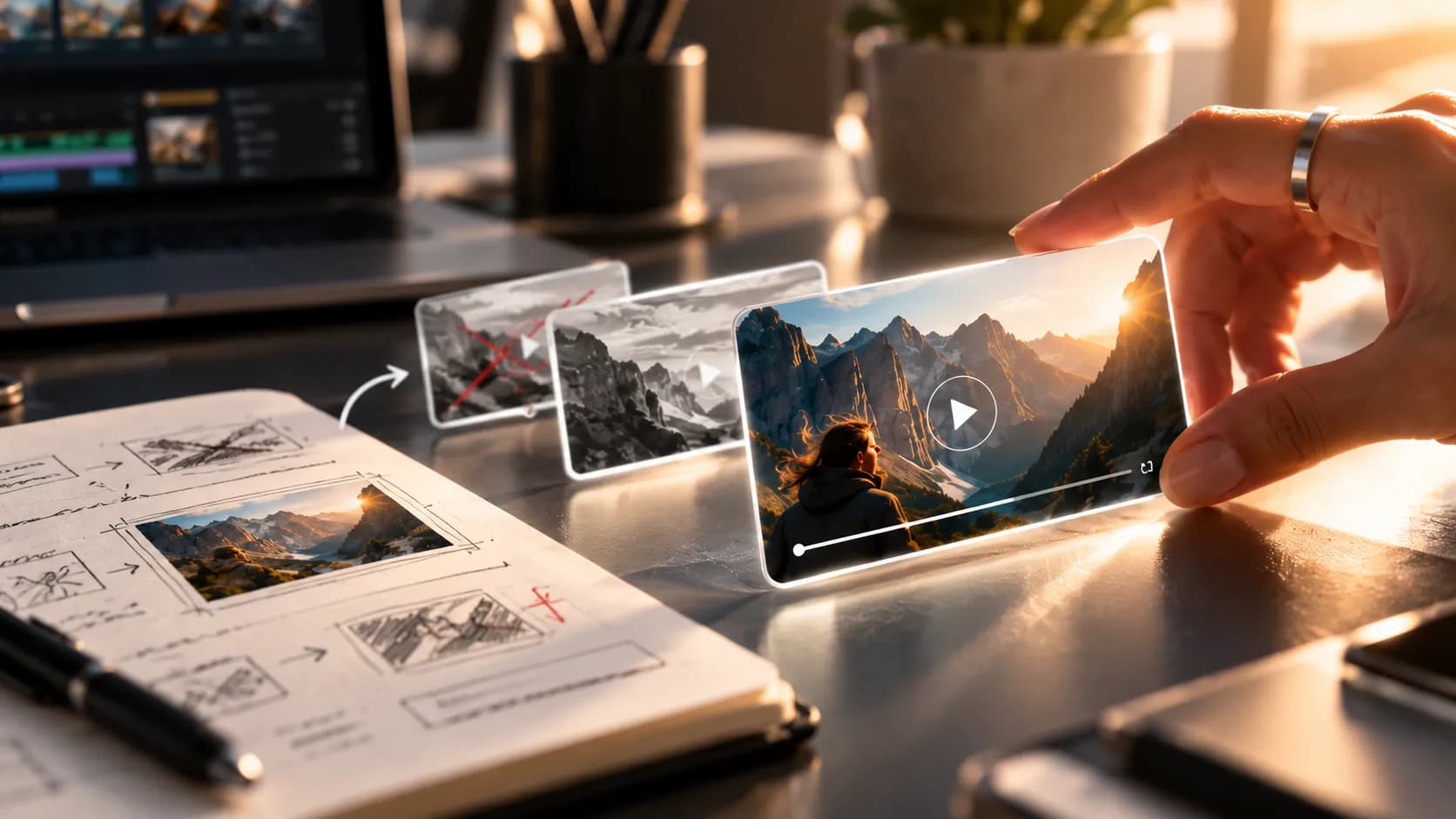
Generate small product shots, UGC-style ads and tutorials batches with one variable changed at a time. Lock the core message and references for beauty brand performance marketers before changing hooks, framing, pace or visual treatment. Input: approved brief and model-ready prompts. Output: labelled candidates, not a folder of anonymous exports.
Step 5: Run human and platform review
Review product shots, UGC-style ads and tutorials for accuracy, consent, brand fit, captions, safe areas, CTA and destination-page alignment. Input: candidate assets and review criteria. Output: approved, revise or reject status with comments.
Step 6: Publish, measure and reuse
Publish the smallest useful product shots, UGC-style ads and tutorials set for TikTok, Reels, product pages, retail media and paid social, record performance and save the winning prompt, hook and reference combination. Input: approved exports, metadata and tracking links. Output: published assets plus a reusable learning note.
Common Mistakes
- Starting with a tool instead of the content decision. This produces attractive output that does not solve the audience problem.
- Using one generic brief for every channel. Tiktok, reels, product pages, retail media and paid social need different openings, pacing and calls to action.
- Skipping source verification. In this workflow, making unverified efficacy claims or altering skin results can damage trust even when the creative looks polished.
- Generating too many variations before the first review. Large batches magnify an incorrect message or reference.
- Saving only final files. Without the product shots, UGC-style ads and tutorials prompts, references and review notes, the next beauty brand performance marketers campaign starts from zero.
Examples
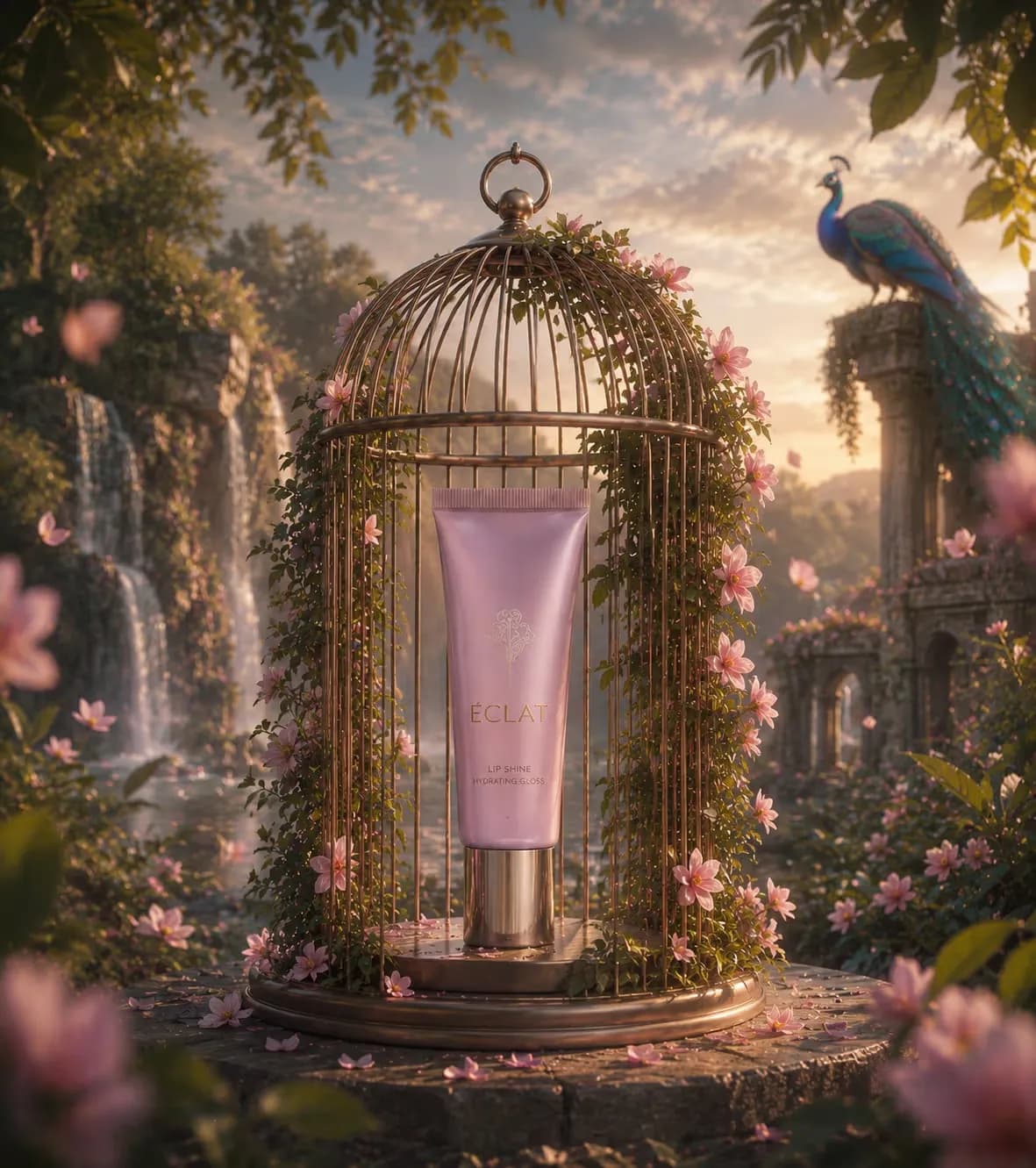
Hypothetical workflow: a beauty team building a creative batch around one serum: pack shots, a routine tutorial and four creator-style hooks. The team first approves the offer, audience and restrictions.

Comparison Section
| Approach | Main trade-off | Best fit |
|---|---|---|
| One-off manual production | High craft potential, but every asset is rebuilt | Small number of flagship assets |
| Single-purpose AI tool | Fast for one task, more handoffs across formats | Teams with a narrow recurring need |
| Integrated AI-assisted workflow for beauty brand performance marketers | Shared brief, connected assets and reusable learning | Recurring multi-channel production |
| Agency-led production | External expertise and capacity, with briefing overhead | High-stakes campaigns or missing in-house skills |
For beauty brand performance marketers, integrated AI assistance is useful for recurring multi-channel work. For beauty brand performance marketers, manual or agency production still fits high-stakes live action and flagship creative. Decide by risk, repeatability, volume and review effort.
How Xelta Solves This Problem
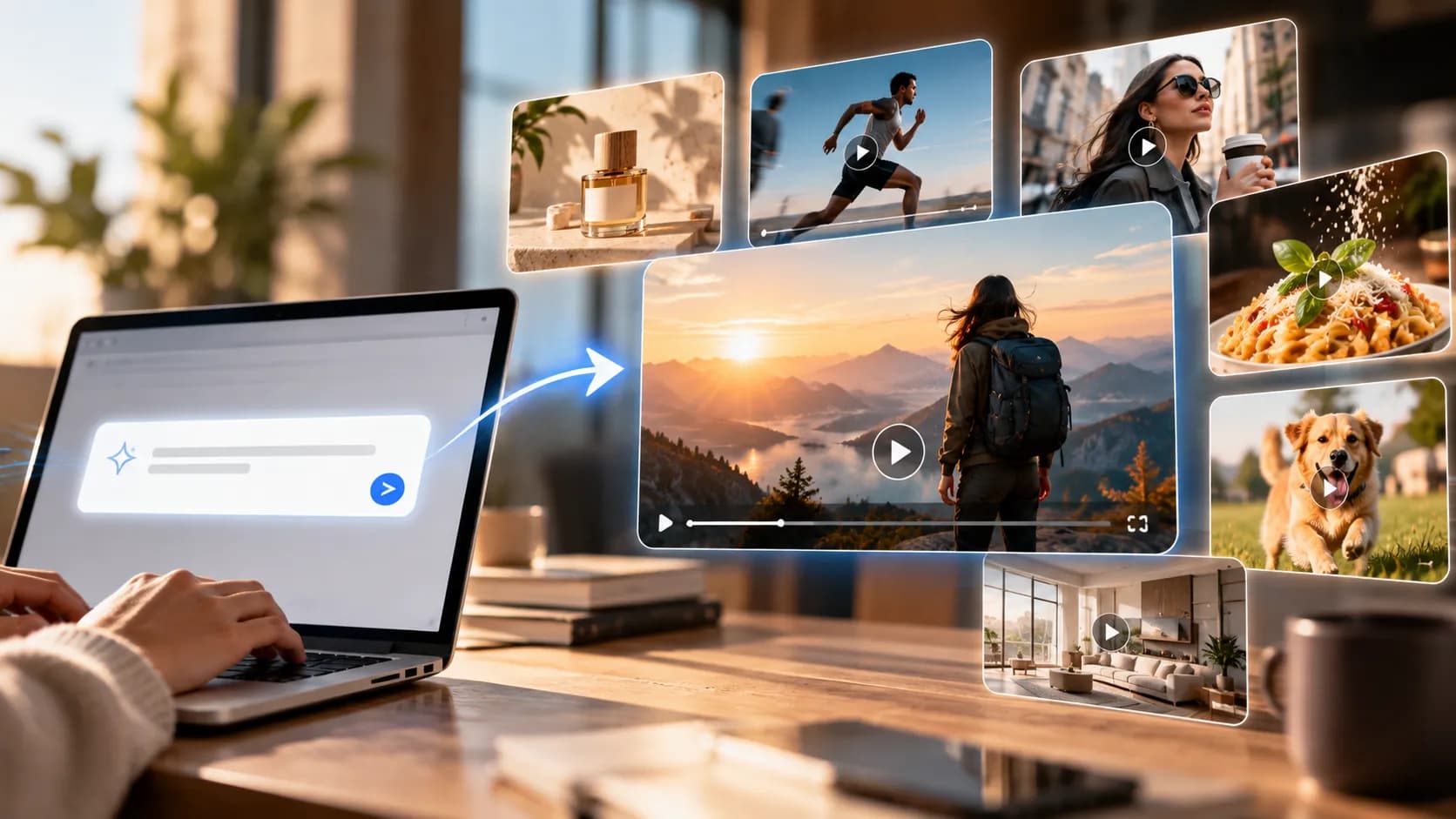
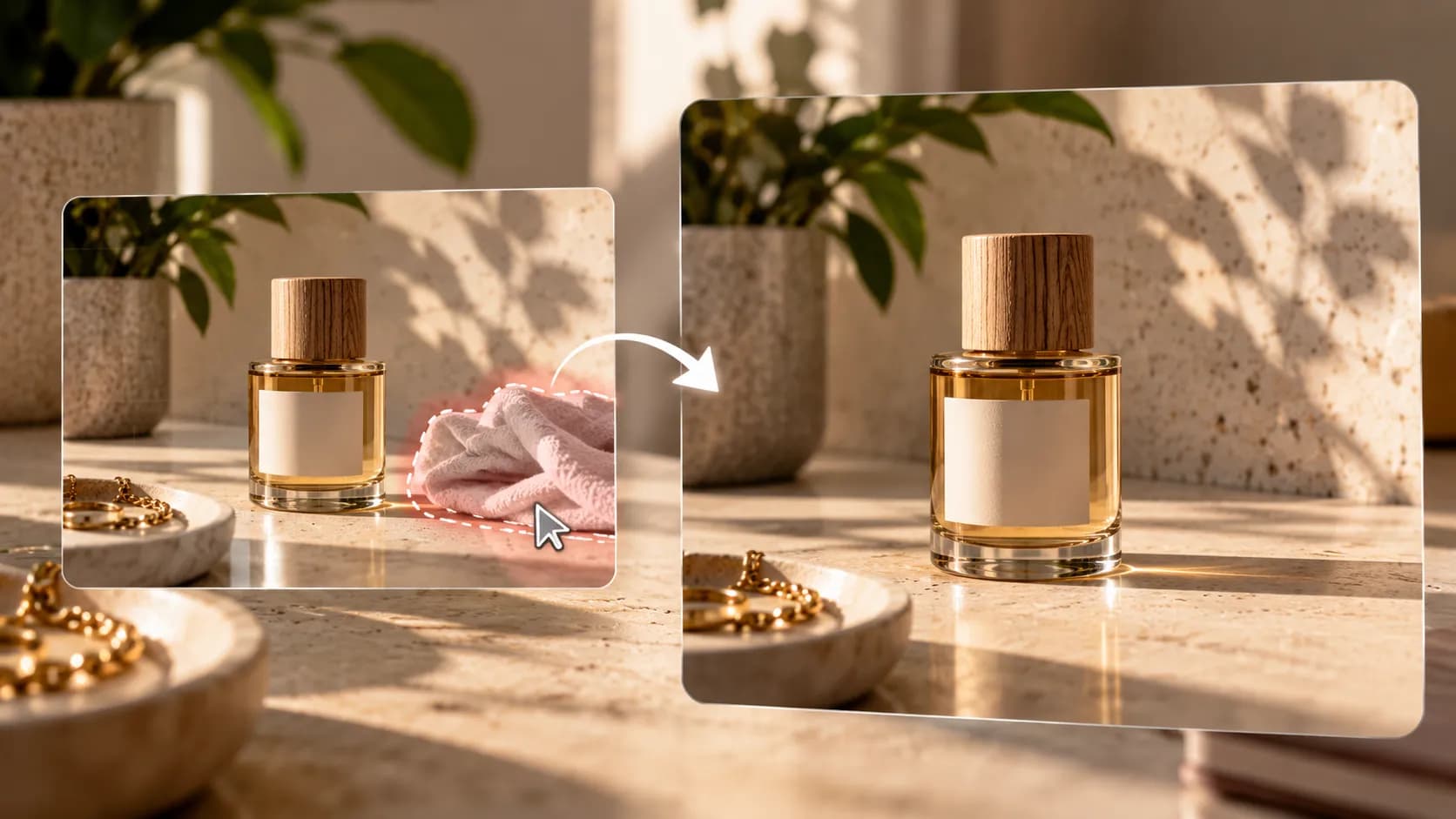
Xelta can support the product shots, UGC-style ads and tutorials creation layer for beauty brand performance marketers by bringing image generation, video generation, creative variations and repurposing into a multi-model environment.
Use Xelta to create product shots, UGC-style ads and tutorials candidates while the beauty brand performance marketers team controls claims, references, permissions and publishing.

Conclusion
A useful ai ugc ad generator is an operating system for content, not a collection of prompts. For beauty brand performance marketers, the source brief carries the truth, the asset map gives each file a job, controlled batches keep review manageable, and human gates protect against making unverified efficacy claims or altering skin results. For beauty brand performance marketers, that discipline is what turns product shots, UGC-style ads and tutorials into a repeatable production capability.
Use Xelta where a connected image, video and variation workflow removes friction; keep human judgment for strategy, accuracy and final approval for the next product shots, UGC-style ads and tutorials cycle.