
Xelta logo
Image
Video
Photo Lab
Audio
3D
SI
Bankai
Microdrama
Cinematic Studio
AI Influencer
Reglow
AI Music
Canvas Pro
&WhatsApp & Telegram
Virtual Try On
Xelta Cut
Enterprise
Merchant Ads
Reelix
Pricing
Home/Blog/AI Image Generator for App Marketing: Social Proof Angle for Ecommerce Brands

AI Image Generator for App Marketing: Social Proof Angle for Ecommerce Brands

A practical social proof angle for ecommerce brands for teams evaluating ai image generator for app marketing.

Create
Xelta LogoXelta
July 17, 2026
8 minute read
AI Image Generator for App Marketing: Social Proof Angle for Ecommerce Brands
Share

Social Proof Only Works When the Evidence Is Clear

A usable ai image generator for app marketing workflow begins with a business decision, not a request for more attractive images. App growth and ecommerce marketing teams must define which product, message, audience, and placement the visual supports, then protect the details that cannot drift during generation. For app campaign graphics built around approved social proof, the practical standard is simple: the output must help a buyer understand or trust the offer without changing the underlying product truth. The Xelta campaign creation platform can support creation, but the team still owns the brief, source evidence, approval path, and publishing decision.

Start with current interface captures, approved review excerpts, audience segment, channel dimensions, and one conversion message. Name growth, product marketing, design, and legal reviewers before the first generation. The required result is a reusable set of social-proof creatives for app-store pages, paid social, landing pages, and lifecycle campaigns. That definition turns ai image generator for app marketing from an open-ended design experiment into a reviewable production task with a clear stop condition.

Start With the Proof Source, Not the Visual Style

Use AI image generator for app campaign graphics when the team needs controlled image generation around approved references, defined layouts, and repeatable review criteria. The strongest process for ai image generator for app marketing locks the product or source evidence first, states what may change, and tests the output inside the real channel instead of approving it as an isolated picture.

A direct evaluation should ask three questions: Does the asset preserve interface accuracy, review wording, ratings context, privacy, brand system, and claim scope? Does it communicate the intended message at the required size for ai image generator for app marketing? Can the team reproduce, revise, and explain the approved direction for ai image generator for app marketing? If any answer is unclear, the asset is not ready even when the rendering looks polished for ai image generator for app marketing.

Map Reviews, Results, and Product Screens to Channels

The title of this page points to a specific operating need: map reviews, results, and product screens to channels. For ai image generator for app marketing, creative direction and business evidence must be separated. Creative direction covers composition, lighting, setting, mood, crop, and visual hierarchy for ai image generator for app marketing. Business evidence covers source files, product facts, claims, permissions, offer terms, and the page or campaign where the asset will appear for ai image generator for app marketing.

This separation gives app growth and ecommerce marketing teams a better review language. A reviewer can request a warmer environment without reopening product approval, or reject an inaccurate detail without discarding the whole concept for ai image generator for app marketing. It also prevents one visually strong generation from becoming an accidental standard for every channel for ai image generator for app marketing.

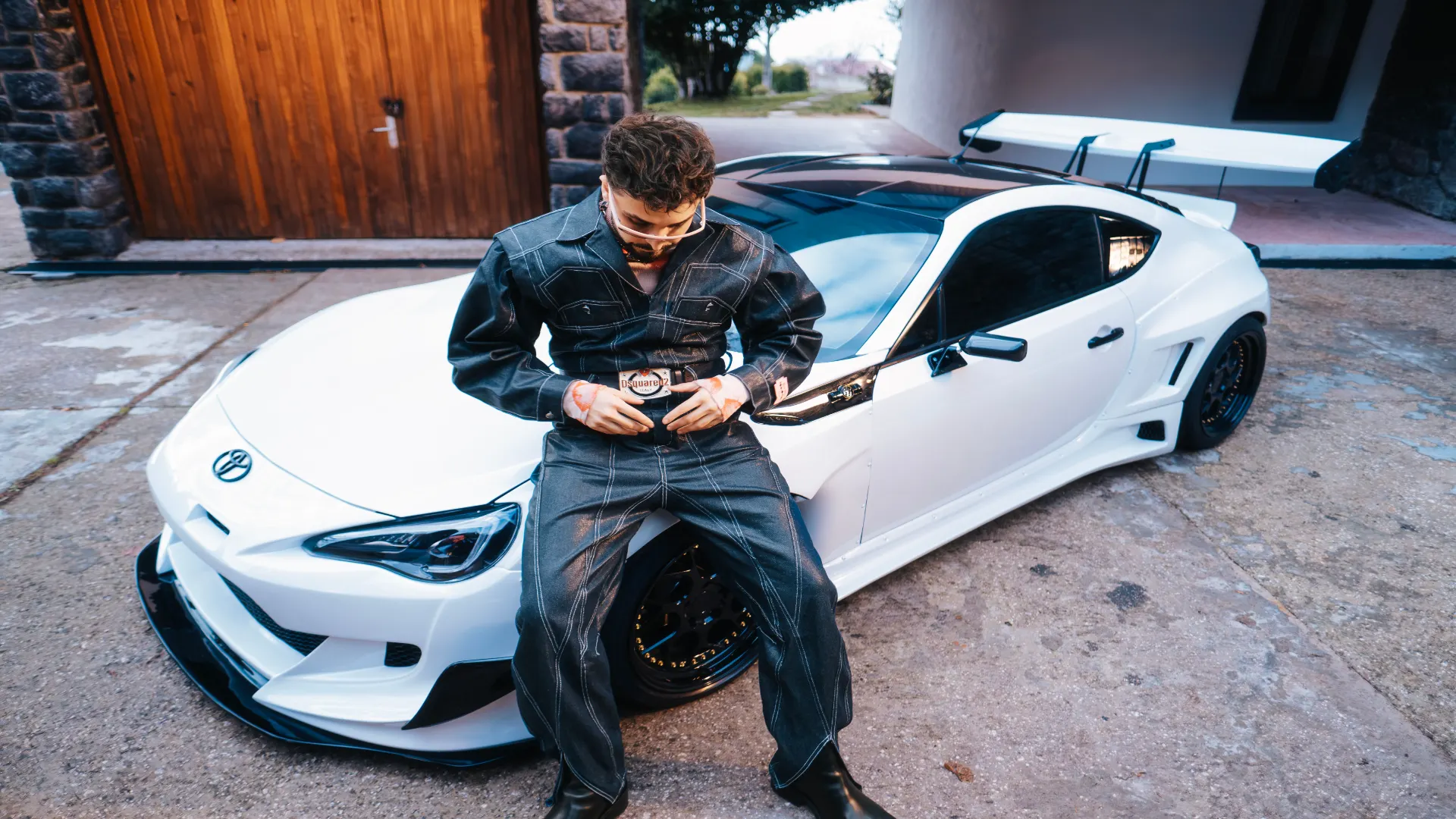
A Source-to-Creative Model for App Marketing

A reliable operating model for ai image generator for app marketing has five layers. First, lock the source record for the product, interface, data, quote, or claim for ai image generator for app marketing. Second, define the communication job and audience doubt for ai image generator for app marketing. Third, specify the visual variables that may change for ai image generator for app marketing. Fourth, review the generated asset against proof-source clarity, interface fidelity, and message-to-audience fit. Fifth, package the approved file with its prompt, references, owner, destination, and version label for ai image generator for app marketing.

The model keeps generation reversible. If the output fails, the team can identify whether the cause was weak evidence, an unclear message, a missing constraint, a poor reference, or an unsuitable composition for ai image generator for app marketing. Without those layers, prompt editing becomes guesswork and approvals become subjective for ai image generator for app marketing.
A Source-to-Creative Model for App Marketing

Six Steps From Approved Evidence to Campaign Set

1. Define the publishing job. Write the destination, audience, and decision the image should support for ai image generator for app marketing. For ai image generator for app marketing, a channel name alone is not enough; record the page module, campaign stage, or buyer question.

2. Assemble approved inputs. Collect current interface captures, approved review excerpts, audience segment, channel dimensions, and one conversion message. Mark which files are authoritative and which are inspiration only, so the model is not asked to reconcile conflicting evidence for ai image generator for app marketing.

3. Protect non-negotiable details. List interface accuracy, review wording, ratings context, privacy, brand system, and claim scope. State them as review checks, not vague preferences, and identify any wording, logo, likeness, interface, or product feature that requires exact treatment for ai image generator for app marketing.

4. Generate a controlled baseline. Create one conservative direction before exploring style for ai image generator for app marketing. The baseline for ai image generator for app marketing should prove that the source, message, scale, and composition can work together.

5. Expand only meaningful variables. Vary one or two factors at a time, such as environment, camera angle, background, format, or message emphasis for ai image generator for app marketing. Avoid batches of near-duplicates that do not test a real decision for ai image generator for app marketing.

6. Review in destination context. Place candidate assets in the actual or simulated page, feed, ad unit, or presentation for ai image generator for app marketing. Ask growth, product marketing, design, and legal reviewers to record rejection reasons with enough detail to guide the next version.

7. Package the approved handoff. Deliver a reusable set of social-proof creatives for app-store pages, paid social, landing pages, and lifecycle campaigns with prompt version, source references, usage note, export dimensions, owner, and approval date. A clean handoff protects the result after the creation session ends for ai image generator for app marketing.

Evaluate Credibility Before Click Appeal

Tool comparison for ai image generator for app marketing should focus on control, evidence, and operational fit. Visual novelty is easy to demonstrate, but it does not show how the system handles an exact product, repeated formats, protected details, or revision history for ai image generator for app marketing. Score each candidate against the same source package and the same named output for ai image generator for app marketing.

The useful winner is the workflow that produces acceptable variations with fewer unexplained changes, not the one that creates the most dramatic first image for ai image generator for app marketing. For app growth and ecommerce marketing teams, test export quality, reference handling, crop behavior, text or logo integrity, batch organization, and the effort required to reach approval.

Worked Scenario: A Mobile Shopping App Launch

Consider a mobile shopping app acquisition campaign. The team begins with current interface captures, approved review excerpts, audience segment, channel dimensions, and one conversion message and writes a single approval brief. The first generation establishes the safe baseline for ai image generator for app marketing. A second round tests a different environment or message emphasis, while the protected details remain fixed for ai image generator for app marketing. Reviewers compare both rounds against proof-source clarity, interface fidelity, and message-to-audience fit rather than choosing a personal favorite.

The final package contains a reusable set of social-proof creatives for app-store pages, paid social, landing pages, and lifecycle campaigns, plus the source record and decision notes. This worked scenario is intentionally modest for ai image generator for app marketing. It shows how ai image generator for app marketing can support a real release without inventing results, customer claims, or performance figures that the team cannot verify.

Common Ways App Proof Becomes Untrustworthy

Other warning signs include mixed source references, missing dimensions, invented product details, text that changes between versions, weak file naming, and feedback such as 'make it better' with no stated criterion for ai image generator for app marketing. Better practice is to protect one evidence set, use a written change log, review at final display size, and reject only against named requirements for ai image generator for app marketing.

Common Ways App Proof Becomes Untrustworthy

Where Xelta Fits in Multi-Format App Campaigns

Xelta can fit after the source package and approval criteria are ready for ai image generator for app marketing. Teams can use the Xelta ad banner resizing workflow for a topic-specific production path while keeping the broader ai image generator for app marketing brief connected to references, outputs, and review. The feature should be treated as part of the operating system, not as a substitute for product knowledge or authorization for ai image generator for app marketing.

Begin with one repeatable use case, one channel, and one reviewer group for ai image generator for app marketing. After the team can reproduce an approved direction, extend the system to adjacent formats or messages for ai image generator for app marketing. This order makes scaling safer because every new asset inherits a tested source and review model for ai image generator for app marketing.

What Growth Teams Should Expect During Resizing and Iteration

During iteration, app growth and ecommerce marketing teams should expect to compare references, prompt versions, crops, and protected details side by side. Reviewers need enough context to understand what changed and why for ai image generator for app marketing. Keep a compact decision log so the next round responds to evidence rather than memory for ai image generator for app marketing.

Teams learning the interface or studying creation patterns can use Xelta campaign creation examples as a supplementary learning destination. The article does not assume a specific tutorial exists; the practical rule is to verify any example against the current product workflow and the team's own approved inputs for ai image generator for app marketing.

Frequently asked questions

What should be prepared before starting ai image generator for app marketing?

Prepare current interface captures, approved review excerpts, audience segment, channel dimensions, and one conversion message. Add the intended placement, protected details, and named reviewers. The first generation should test a controlled baseline rather than every possible style. Clear source inputs make quality problems easier to diagnose and reduce unnecessary variation.

Which asset should be approved first for ai image generator for app marketing?

Approve the asset with the clearest business job and the strongest source evidence. A baseline version should prove product or interface accuracy, message hierarchy, crop safety, and channel fit. Once that standard is stable, adjacent formats and creative variations become easier to judge.

How many variations should a ai image generator for app marketing test include?

Use enough variations to test meaningful decisions, not to create volume. A small set that changes environment, camera angle, message emphasis, or layout is usually more informative than many near-duplicates. Label every variant by the hypothesis it is meant to test.

How can ai image generator for app marketing stay consistent with the brand?

Lock brand references, palette, logo rules, typography expectations, product details, and tone before generation. Review outputs at real display size and keep an approved baseline beside every candidate. Consistency should be checked across the whole asset set, not one image at a time.

What should reviewers reject in ai image generator for app marketing?

Reject source mismatch, protected-detail drift, invented claims, misleading scale, unreadable text, unsafe crops, weak product priority, and unexplained changes between versions. A rejection should cite the failed criterion so the next round can fix the cause rather than merely changing the style.

How can teams protect product accuracy in ai image generator for app marketing?

Use authoritative pack shots, cutouts, screens, dimensions, material references, and current product records. Mark which details are exact and which may be interpreted. Compare the output against the source at high zoom and in the final placement before approval.

Which dimensions matter for ai image generator for app marketing?

Record the exact channel ratio, pixel size, safe zones, text area, crop behavior, and any responsive variants. Generate with the final placement in mind. A strong composition can still fail if the product, proof, or call to action is cut off during delivery.

When should photography or manual design be used instead of ai image generator for app marketing?

Use photography when exact physical evidence, regulated representation, tactile detail, or documentary authenticity is essential. Use manual design when typography, layout, or legal copy requires precise control. AI-assisted creation is most useful when the transformation and review criteria are clearly defined.

How should prompts be documented for ai image generator for app marketing?

Store the prompt with source references, protected details, negative constraints, model or workflow, version number, output selection, and reviewer notes. Documentation should make the approved result reproducible enough for a future update, even when the original creator is unavailable.

How should realism be evaluated in ai image generator for app marketing?

Realism should be judged against the business context, not only visual polish. Check geometry, materials, shadows, reflections, scale, anatomy, interface state, and text behavior where relevant. The asset must also make sense beside the destination page, offer, and audience expectation.

How should logos and text be handled in ai image generator for app marketing?

Treat logos, labels, interface copy, prices, offers, and claims as protected elements. Use exact source assets or a controlled finishing step when precision is required. Never approve approximate wording simply because the rest of the image looks convincing.

How can a page about ai image generator for app marketing support GEO answers?

State the practical answer early, identify required inputs and outputs, explain the workflow, name review criteria, and describe failure conditions. Structured headings, direct language, topic-specific examples, and consistent FAQ answers make the page easier for readers and answer engines to interpret.

What evidence should be retained for ai image generator for app marketing?

Retain source files, permissions, claim records, prompt versions, rejected and approved outputs, reviewer decisions, export specifications, and final placements. Evidence should be proportionate to the risk of the asset and sufficient to explain what was changed, approved, and published.

How should files be organized for ai image generator for app marketing?

Use folders or records for source, working, review, approved, and published assets. Include campaign, product, channel, ratio, concept, version, and status in filenames. Keep the prompt and decision note beside the export so production context is not lost.

Who should approve ai image generator for app marketing outputs?

Approval depends on the asset, but usually includes a creative or brand owner and the business owner for the product, campaign, or channel. Add legal, compliance, security, product, or subject-matter review when the visual contains claims, customer evidence, regulated details, or sensitive information.

How can one ai image generator for app marketing asset be repurposed safely?

Start from an approved source and create channel-specific derivatives with documented crops, hierarchy, and message changes. Re-review any version that changes context, claim, offer, audience, or product emphasis. A resized file is not automatically an approved new creative.

What should be tested before publishing ai image generator for app marketing?

Test readability, crop safety, product recognition, message comprehension, destination match, page speed or file weight where relevant, and the handoff to the publishing system. Confirm that the final exported file, not only the working preview, is the version that reviewers approved.

How can ai image generator for app marketing avoid repetitive creative?

Vary the business angle before varying decoration. Test different buyer questions, product benefits, proof types, contexts, compositions, and stages of the funnel. Keep protected brand and product details stable so the collection feels fresh without becoming unrecognizable.

What belongs in the final ai image generator for app marketing handoff?

Include the approved export, source record, prompt or production note, protected-detail checklist, channel specification, usage limits, reviewer, approval date, and version label. A complete handoff tells publishers what can be used immediately and what would require new approval.

What is the best next step after this ai image generator for app marketing guide?

Choose one real image assignment, gather the approved inputs, name the reviewers, and write the smallest workable brief. Run one controlled test, document the outcome, and decide whether the workflow is suitable before expanding the campaign or asset library.

Related Links

Xelta HomepageAI Image GeneratorAI Ad Banner Resizer

Trending

AI Image Generator for Ecommerce: Product Photos, Ad Variants and Marketplace Visuals

AI Image Generator for Ecommerce: Product Photos, Ad Variants and Marketplace Visuals

Oct 29, 2026

AI Image Generator for Manufacturing: Product Visuals, Training Assets & Sales Explainers

AI Image Generator for Manufacturing: Product Visuals, Training Assets & Sales Explainers

Oct 29, 2026

AI Image Prompts for Marketing: Market Demand, User Intent and Xelta Proof Assets

AI Image Prompts for Marketing: Market Demand, User Intent and Xelta Proof Assets

Oct 29, 2026

Related Articles

AI Image Generator for Ecommerce: Product Photos, Ad Variants and Marketplace Visuals cover
AI Image Creation

AI Image Generator for Ecommerce: Product Photos, Ad Variants and Marketplace Visuals

AI Image Generator for Manufacturing: Product Visuals, Training Assets & Sales Explainers cover
AI Image Creation

AI Image Generator for Manufacturing: Product Visuals, Training Assets & Sales Explainers

ai image prompts for marketing workflow visual for business content teams
AI Image Creation

AI Image Prompts for Marketing: Market Demand, User Intent and Xelta Proof Assets

Creator reviewing no-sign-up AI image drafts for safe campaign use
AI Image Creation

Free AI Image Generator without Sign Up: The Practical Guide for Creators, Marketers and Brands

Background

Built for the next
generation of
digital artists.

Xelta LogoXelta.AI
Google Play QR Code
Google Play
App Store QR Code
App Store

AI Generation

  • AI Image Generator
  • AI Video Generator
  • AI Audio Generator
  • AI 3D Generator
  • Microdrama
  • Microdrama 2.0
  • Cinematic Studio
  • Photo Lab
  • AI Influencer

Edit

  • Video Editing
  • Moodboard AI
  • Background Remover
  • VFX Effects
  • AI MultiCam
  • Back Stage
  • Story Tweak

Design Studio

  • Future Canvas
  • Gen Avatar
  • Sketch to Motion
  • AI Wallpaper
  • Sketch To Image
  • Home Design
  • Video Analyzer

Voices

  • Voice Dub
  • Voice Lip Sync
  • AI Voices
  • Voice Studio
  • Audio Enhancer

Tools

  • Website Builder
  • Design Use Case

Resources

  • Blogs
  • Events
  • Pricing
  • Community
  • Reelix
  • Games

Video Models

  • Seedance 2.5
  • Seedance 2.0
  • Kling 3.0
  • Veo 3.0 Introduction
  • WAN 2.6
  • Grok Imagine 1.5
  • Gemini Omni Flash

Creative Tools

  • Virtual Try On
  • Bankai
  • Reglow
  • Canvas Pro
  • Xelta Cut
  • AI Music
  • WhatsApp & Telegram
  • Superintelligence

AI Films

  • Script & Character
  • AI Lords
  • Anime Microdrama
  • Movie Trailer
  • Comic Flow
  • Microcourse
  • Video To Anime

Ad Studio

  • Instant Ad
  • Ad Maker
  • Prime Ad
  • Street Ad
  • UGC Ads
  • Giant Ads
  • Product Ad
  • Merchant Ads
  • Marketing & Ads

SocialVerse

  • Reel Creator
  • Social Autopost
  • Social Use Case

Company

  • About Us
  • Press Releases
  • Careers
  • Contact
  • Global Footprints

Legal

  • Terms & Conditions
  • Privacy Policy
  • Security
  • Refund Policy
  • FAQs
  • Sitemap
  • Credits Usage

Image Models

  • Gemini 2.5 Flash Image (Nano Banana)
  • Flux Kontext Pro
  • Seedream 5.0 Pro
  • GPT Image 2

© 2026 Xelta. All rights reserved. Built for the
next generation of creators.

Follow us on: