Xelta's AI Microdrama workflow helps brands, creators and mobile storytellers turn simple ideas into connected short-form episodes with recurring characters, continuing plots and flexible video formats.
Xelta's AI Microdrama workflow helps creators turn simple ideas into connected short-form stories with recurring characters, continuing plots and flexible video formats.
A good story can start with a single idea. Turning that idea into a complete video series, however, can require writers, editors, actors, equipment and a significant amount of time.
Xelta is making that process more accessible with its AI Microdrama workflow. The tool is designed for brands, creators, marketers and storytellers who want to produce short, connected video episodes without handling every stage of production separately.
Users can start with a basic idea and describe the genre, characters, setting, mood and intended audience. Xelta then helps shape those instructions into scripts, scenes and short-form videos.
The goal is simple: help more people move from an idea to a visual story without needing a complete production team.
From One Idea to a Complete Series
Most short-form videos are created as standalone clips. They may capture attention for a moment, but they do not always give viewers a reason to return.
Episodic microdramas work differently. Each video becomes part of a larger story. Characters can return, relationships can develop and one episode can lead naturally into the next.
With the Xelta AI Microdrama Creator, users can create individual stories or develop connected episodes with recurring characters and continuing plots.
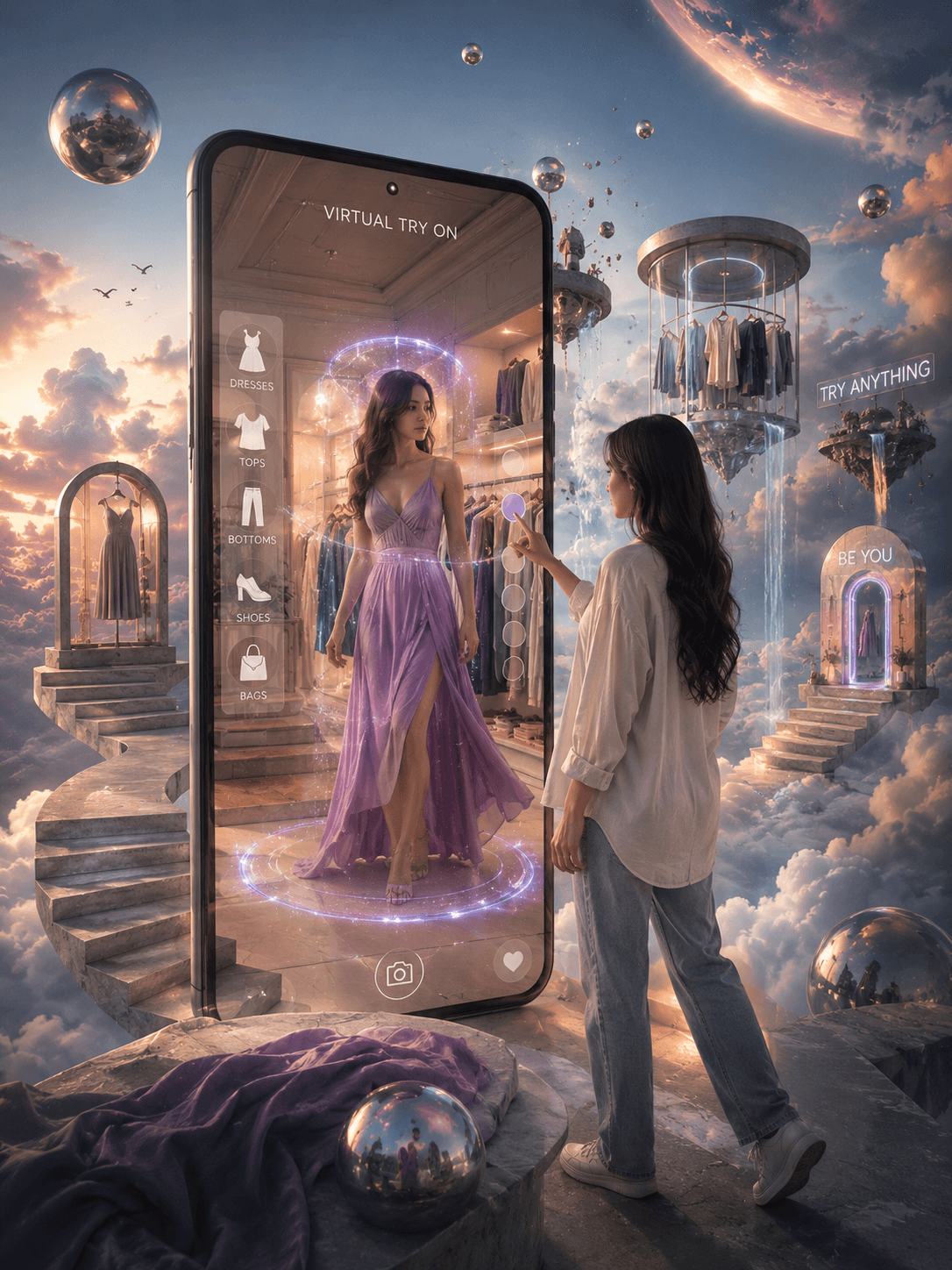
A creator could build a short suspense series where every episode reveals a new clue. A fashion brand could follow a character preparing for an important event. A restaurant could create a light comedy based on everyday situations between customers and staff.
The story remains at the centre, while the product, message or idea becomes part of the experience.
Creative Control Still Matters
AI can help speed up parts of production, but it cannot decide what makes a story meaningful.
The user still chooses the idea, characters, emotional tone and message. Xelta works from those instructions and helps turn them into a structured microdrama.
Clear prompts can provide better creative direction. A user can explain how a character should behave, what conflict should drive the story and how the audience should feel at the end of an episode.
For example, a prompt can describe a tense family conversation, a funny workplace misunderstanding or a romantic moment interrupted by an unexpected reveal.
The platform helps develop the content, but every output should still be reviewed by a person. Dialogue may need rewriting, scenes may need adjustment and visual details may not always match the original idea.
Xelta is a creative tool, not a replacement for human judgment.
Made for Mobile Audiences
People often discover new stories while scrolling through short-form video feeds. Creators may have only a few seconds to earn the viewer's attention.
A strong microdrama usually needs a clear opening, an understandable conflict and a reason to keep watching. That reason might be a surprise, an emotional decision or a question that will only be answered in the next episode.
Xelta supports different video formats, including vertical, square and horizontal content. This allows creators to prepare videos for platforms such as Instagram Reels, TikTok, YouTube and Facebook.
Vertical video can be used for mobile-first storytelling, while horizontal content may be more suitable for YouTube, websites or presentations.
Users can also download their generated videos and continue editing them. They may add their own voiceovers, captions, music, sound effects, logos or other brand elements before publishing.
A Natural Way for Brands to Tell Stories
Not every marketing video needs to feel like an advertisement.
Episodic microdramas give brands another way to introduce products and ideas. Instead of explaining every feature in one promotional clip, a brand can build a story around situations its audience understands.
A travel company could follow two friends exploring a new destination. A technology company could create a workplace story around a common business problem. A skincare brand could show a character preparing for an important day.
In each case, the product can support the story without becoming the only reason the video exists.
This approach can help brands create content that feels more like entertainment and less like a traditional sales message. It can also give viewers a reason to return for the next episode.
Brands should still review all generated content carefully. Product details, performance claims and other factual information must be checked before publication.
Helping Independent Creators Do More
Independent creators often have plenty of ideas but limited production support.
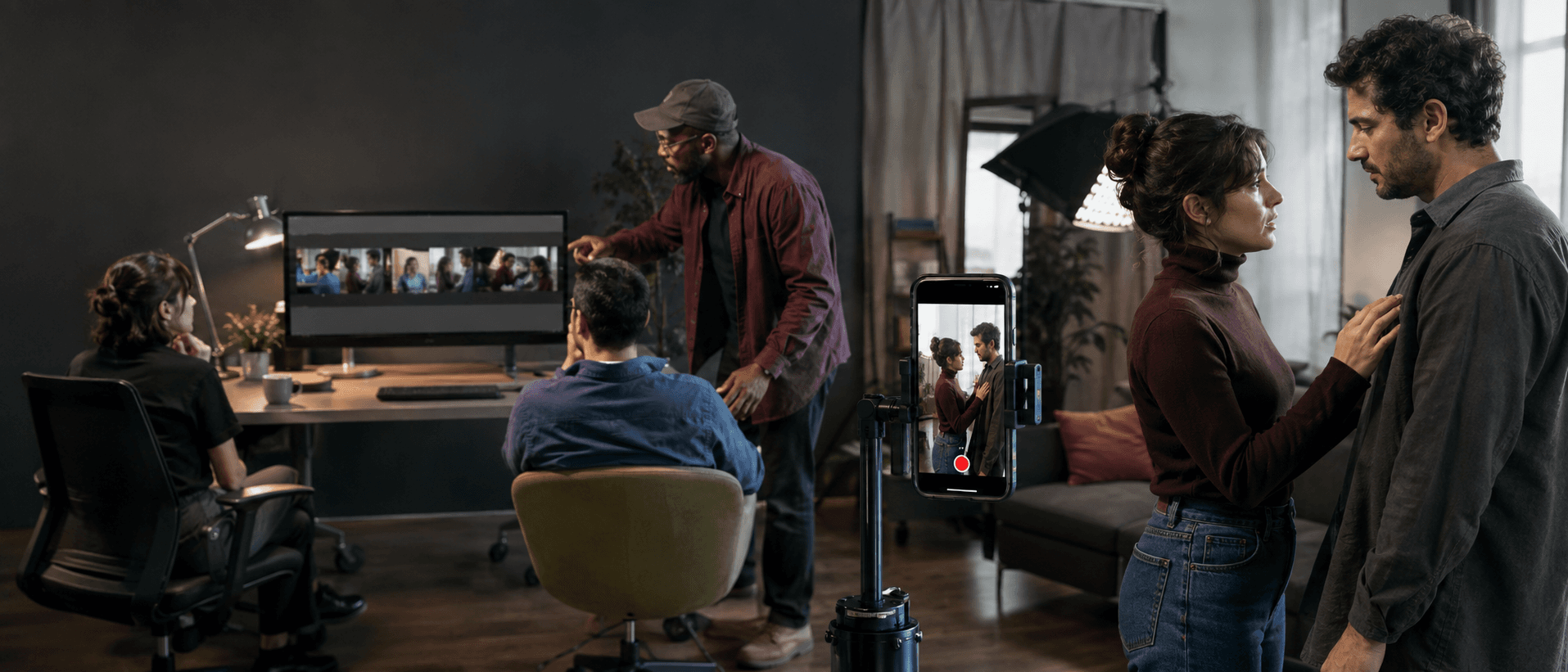
Writing a script, finding actors, choosing locations, recording scenes and editing a video can make even a short project difficult to complete. This becomes more challenging when a creator wants to publish new episodes regularly.
Xelta's Microdrama workflow gives creators a place to test their ideas before committing to a larger production.
Writers can turn short scenes into visual concepts. Social media creators can experiment with recurring characters. Filmmakers can explore early story ideas. Agencies can create draft concepts before presenting a campaign to a client.
The first result may not always be the final result. Some scenes may need to be generated again, dialogue may need to be refined and the final video may require further editing.
The practical benefit is having a working starting point instead of facing an empty page.
Stories Across Different Genres
The Microdrama workflow can be used for different types of stories, including romance, comedy, suspense, mystery, fantasy, family drama, educational content and branded entertainment.
Every genre needs a different approach.
Comedy depends on timing and reactions. Suspense works through carefully controlled information. Romance needs believable emotional development. Branded stories must balance audience interest with a clear business purpose.
Users can guide the result by describing the genre, pace, visual mood and intended audience. They can also explain what should happen in each episode and how the larger story should develop.
For a longer series, it helps to plan the main characters, central conflict and ending before generating individual episodes. This gives the story a clearer direction and can make it easier to maintain continuity.
Building Familiar Characters
Viewers often return to a series because they care about its characters.
A familiar character can make a short episode feel connected to a larger world. The audience begins to understand the character's personality, relationships and goals.
Xelta supports connected microdrama episodes with recurring characters and ongoing storylines. This can help users create a series without rebuilding the entire concept for every video.
However, character consistency still requires attention. Creators should check appearance, clothing, dialogue, personality and story details across episodes.
Keeping a simple character guide can help. It may include the character's age range, appearance, personality, relationships, goals and speaking style. This information can then be included whenever a new episode is created.
Testing Ideas Before Larger Production
AI microdrama creation can also be used to test early concepts.
A marketing team might have three possible campaign ideas but may not know which one will connect with its audience. Creating early versions can help the team compare the characters, tone and story structure before investing in a larger campaign.
Creators can test different openings, endings and visual styles. A serious scene might work better as a comedy. A product-focused concept might become stronger when the product appears more naturally in the story.
AI does not guarantee that a concept will succeed. It can, however, make it easier to explore several directions before choosing one.
Part of Xelta's Creative Platform
Microdrama is one of the AI film workflows available on Xelta.
The platform also provides tools for AI video creation, image generation, audio, trailers, comics, microcourses, advertising, social media content and video editing.
A creator can begin with a microdrama idea, develop the scenes, work on the audio and continue refining the video as part of a broader creative process.
Bringing these tools into one platform can reduce the need to move constantly between different services. It also gives users more room to experiment with how their stories look and sound.
Keeping Human Review in the Process
AI-generated content should not be published without review.
Creators need to check scripts for factual mistakes, awkward dialogue and unintended meanings. Visuals should also be reviewed for inconsistent characters, incorrect details and other generation errors.
Brands should pay particular attention to product claims, cultural references and regulated information. Content involving real people, protected identities or copyrighted material should only be created and used with the appropriate rights or permission.
The user remains responsible for the content they choose to publish.
Human review is not simply a final check. It is an important part of the creative process. Strong results often come from combining AI-assisted production with thoughtful writing, editing and decision-making.
Making Episodic Storytelling More Accessible
Creating a video series once required a sizeable production setup. AI-assisted workflows are beginning to lower some of those practical barriers.
A small business can experiment with a character-led campaign. A writer can see how a scene might look on screen. A creator can build a social media series around recurring characters. A marketing team can compare different concepts before selecting a final direction.
These tools do not replace writers, directors, actors or editors. They offer another way to develop ideas, create early versions and produce content with fewer starting resources.
As mobile audiences continue to watch stories in shorter formats, episodic microdramas give brands and creators an opportunity to build deeper connections one episode at a time.
Availability
The Xelta Microdrama workflow is available through the Xelta website and works in a supported web browser.
Generation time, credit use and final results can vary depending on the story length, complexity, resolution and selected settings. Users can review the available options before completing a generation.
To explore the workflow, visit the Xelta AI Microdrama Creator.
About Xelta
Xelta is an AI-powered creative platform for video, image, audio, advertising, storytelling and content editing.
Its tools are designed for creators, marketers, storytellers and businesses that want to develop digital content through a more connected creative process. Xelta combines AI generation and editing workflows for films, advertisements, social media content, voice and visual design.
Media Contact
Company: Xelta
Website: https://xelta.ai/
Contact: https://xelta.ai/contact