
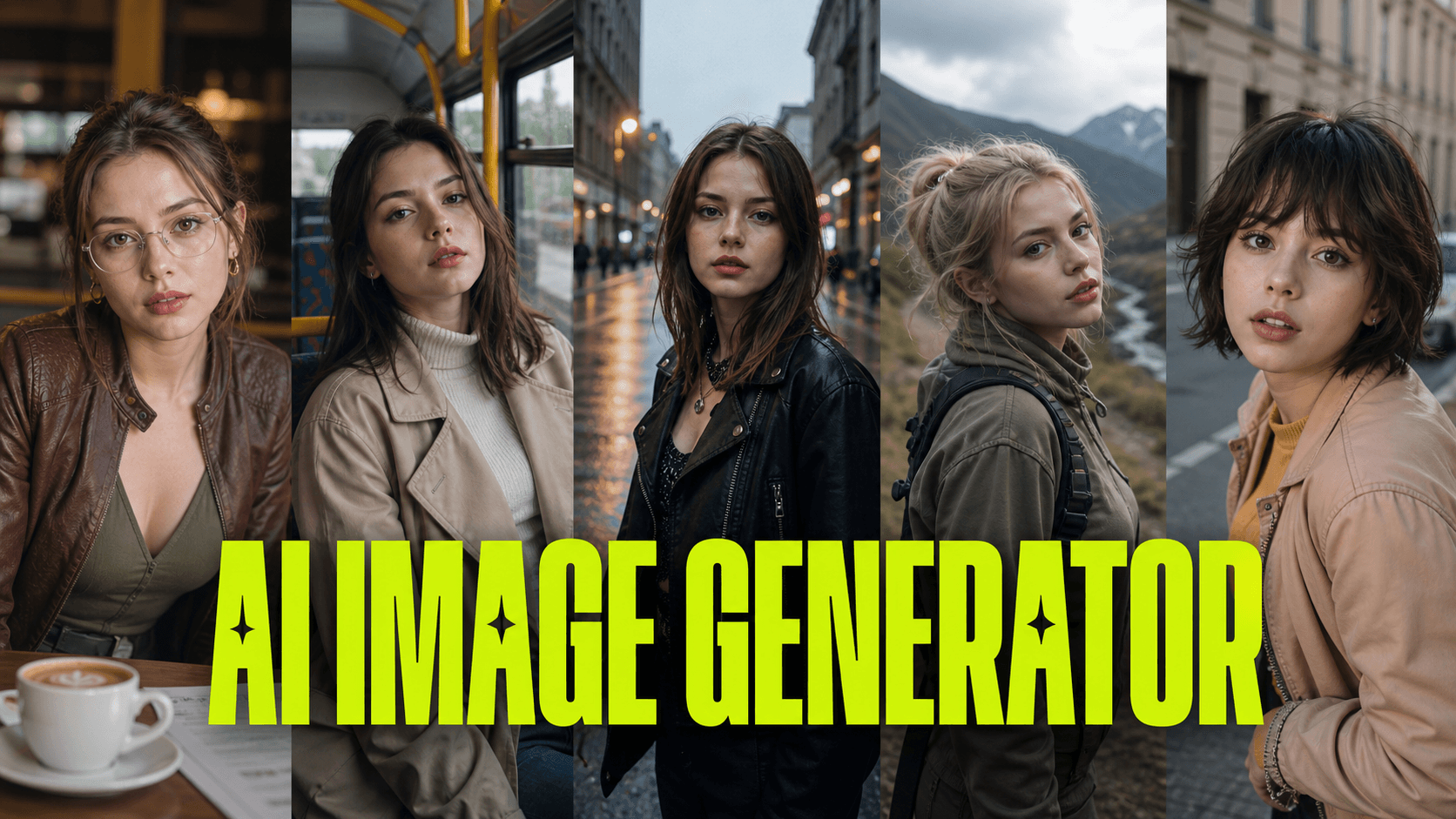
Best AI Image Generator Tools in 2026: Features, Benefits, Comparisons & Expert Guide
Artificial intelligence has transformed digital content creation, and image generation is one of the most significant innovations leading this change. What once required professional designers, advanced software, and hours of creative work can now be accomplished in minutes using an AI image generator.
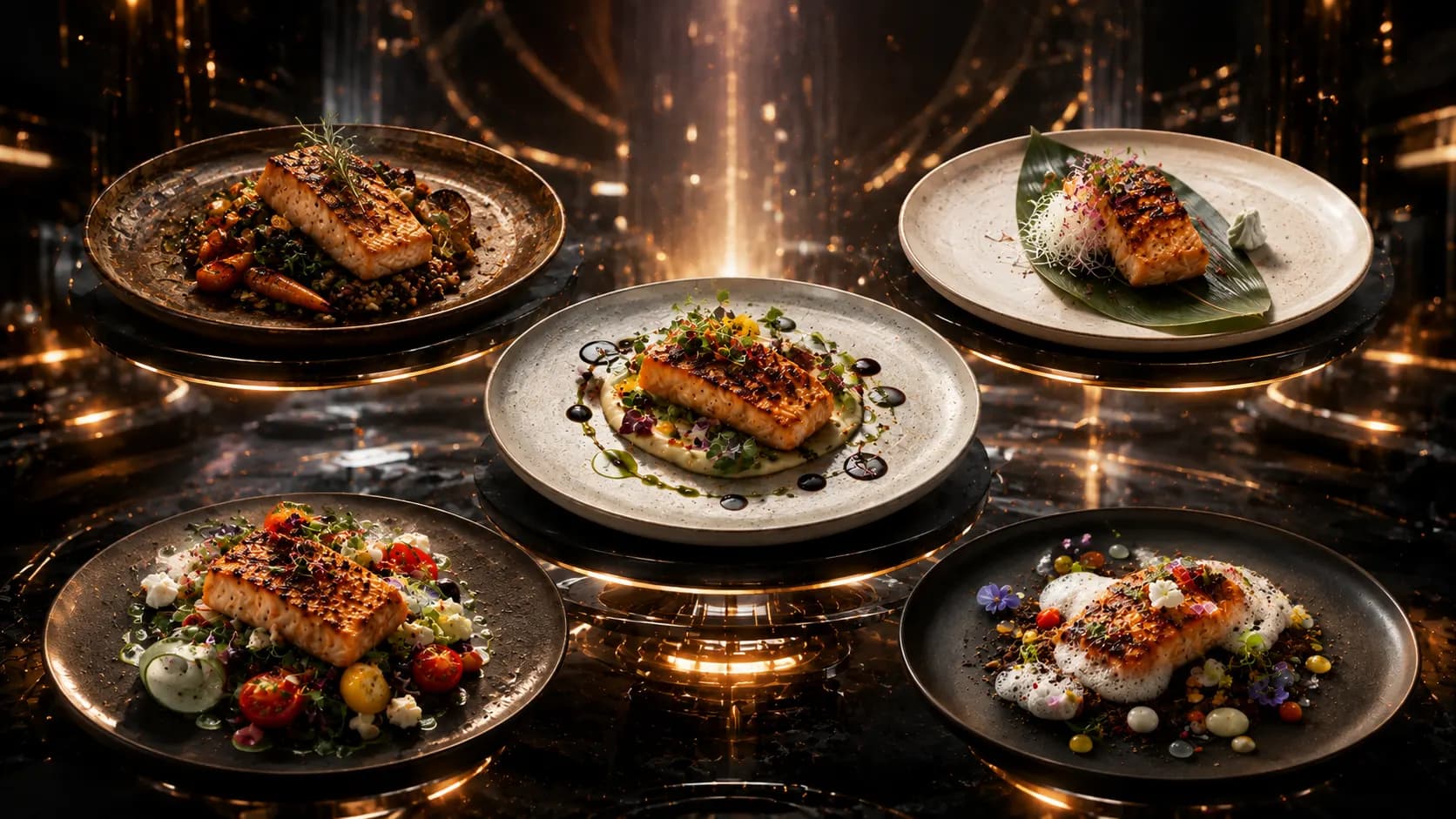
From marketing campaigns and social media graphics to product visuals and concept art, AI image generators are helping businesses and creators produce high-quality visual content faster than ever before.
Whether you are a marketer, entrepreneur, designer, content creator, educator, or business owner, understanding how AI image generation works can help you improve efficiency, reduce costs, and scale content production.
In this comprehensive guide, we'll explore the latest AI image generator technology, key features, benefits, comparisons, real-world examples, buying considerations, and expert recommendations for 2026.
What Is an AI Image Generator?
An AI image generator is a tool that creates original images from text prompts, sketches, reference images, or creative instructions using artificial intelligence models.
Instead of manually designing graphics from scratch, users can describe what they want, and the AI generates visuals that match the prompt.
Modern AI image generators can create:
- Marketing graphics
- Social media images
- Product mockups
- Website visuals
- Blog illustrations
- Advertising creatives
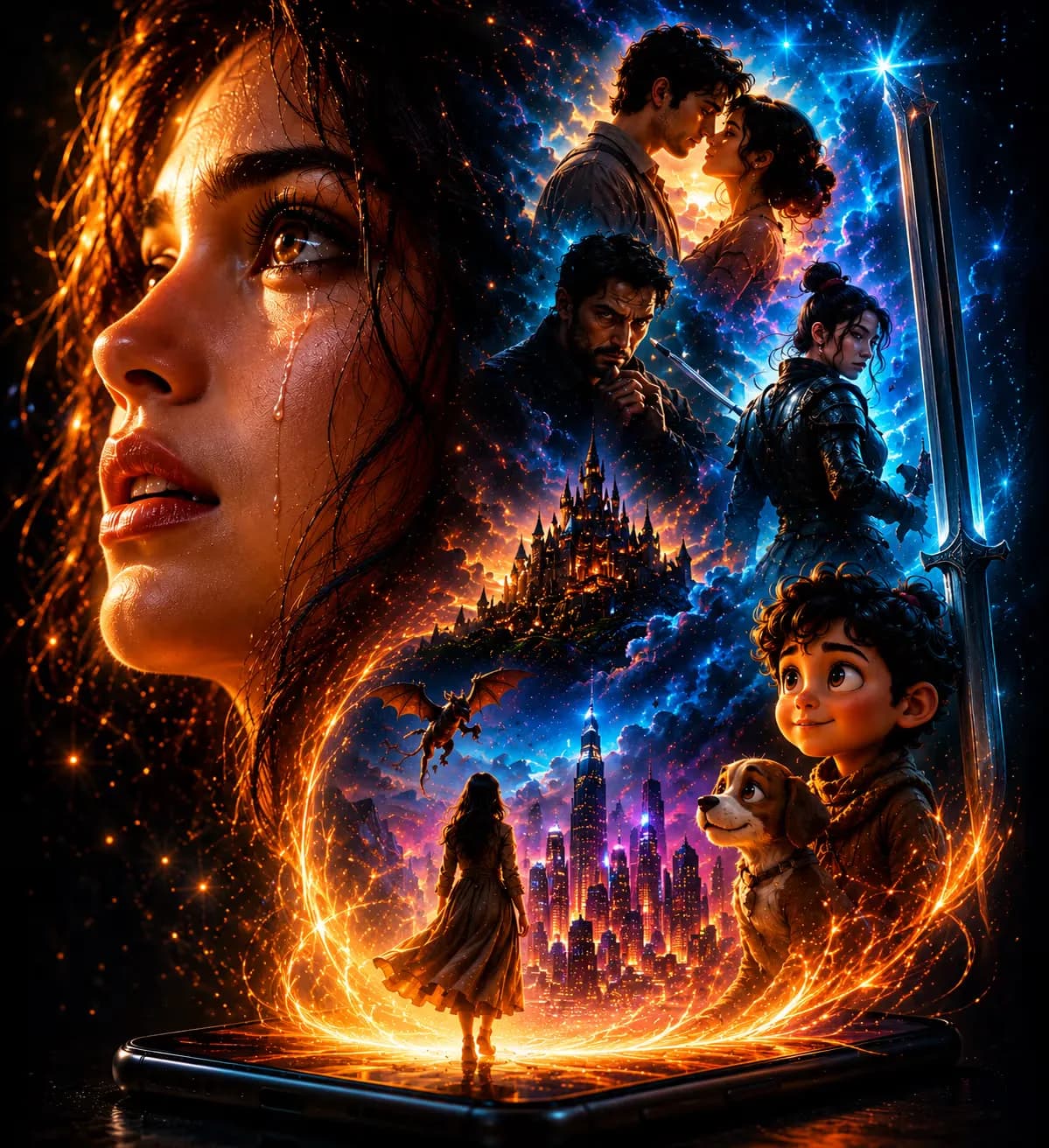
- Digital artwork
- Concept designs
- Brand assets
The quality and realism of AI-generated images have improved dramatically, making them suitable for both personal and professional use.
Why AI Image Generators Are Becoming Essential
Businesses today need a constant stream of visual content.
Marketing teams require images for:
- Social media campaigns
- Landing pages
- Blog posts
- Email marketing
- Advertisements
- Product launches
Traditional design workflows often struggle to meet this demand.
AI image generation solves several major challenges.
Faster Content Creation
Visual assets can be generated within minutes instead of hours.
Reduced Design Costs
Businesses can create professional imagery without relying heavily on external design resources.
Greater Creative Flexibility
Users can experiment with multiple styles and concepts quickly.
Increased Content Production
Teams can produce more content without increasing headcount.
Better Marketing Agility
Campaigns can be launched faster with AI-assisted design workflows.
How AI Image Generators Work
AI image generators use machine learning models trained on massive datasets of images and visual patterns.
The process typically involves:
Prompt Interpretation
The AI analyzes the text prompt and understands the desired subject, style, colors, composition, and context.
Image Generation
The model creates a completely new image based on the prompt.
Refinement and Enhancement
Advanced platforms allow users to:
Modify Styles
Generate realistic, artistic, cinematic, or illustrative visuals.
Improve Quality
Enhance resolution and image clarity.
Edit Existing Images
Transform or expand previously created visuals.
Create Variations
Generate multiple versions from a single concept.
Key Features to Look for in an AI Image Generator
Text-to-Image Generation
The foundation of modern AI image creation.
Users describe an image, and the AI generates it automatically.
High-Resolution Outputs
Professional projects often require:
- HD images
- 2K exports
- 4K exports
- Print-quality visuals
Higher resolution provides greater flexibility across platforms.
Style Control
The best platforms support multiple creative styles:
- Realistic photography
- Illustration
- Watercolor
- Digital art
- Corporate design
- Product visualization
Image Editing Capabilities
Many modern tools include:
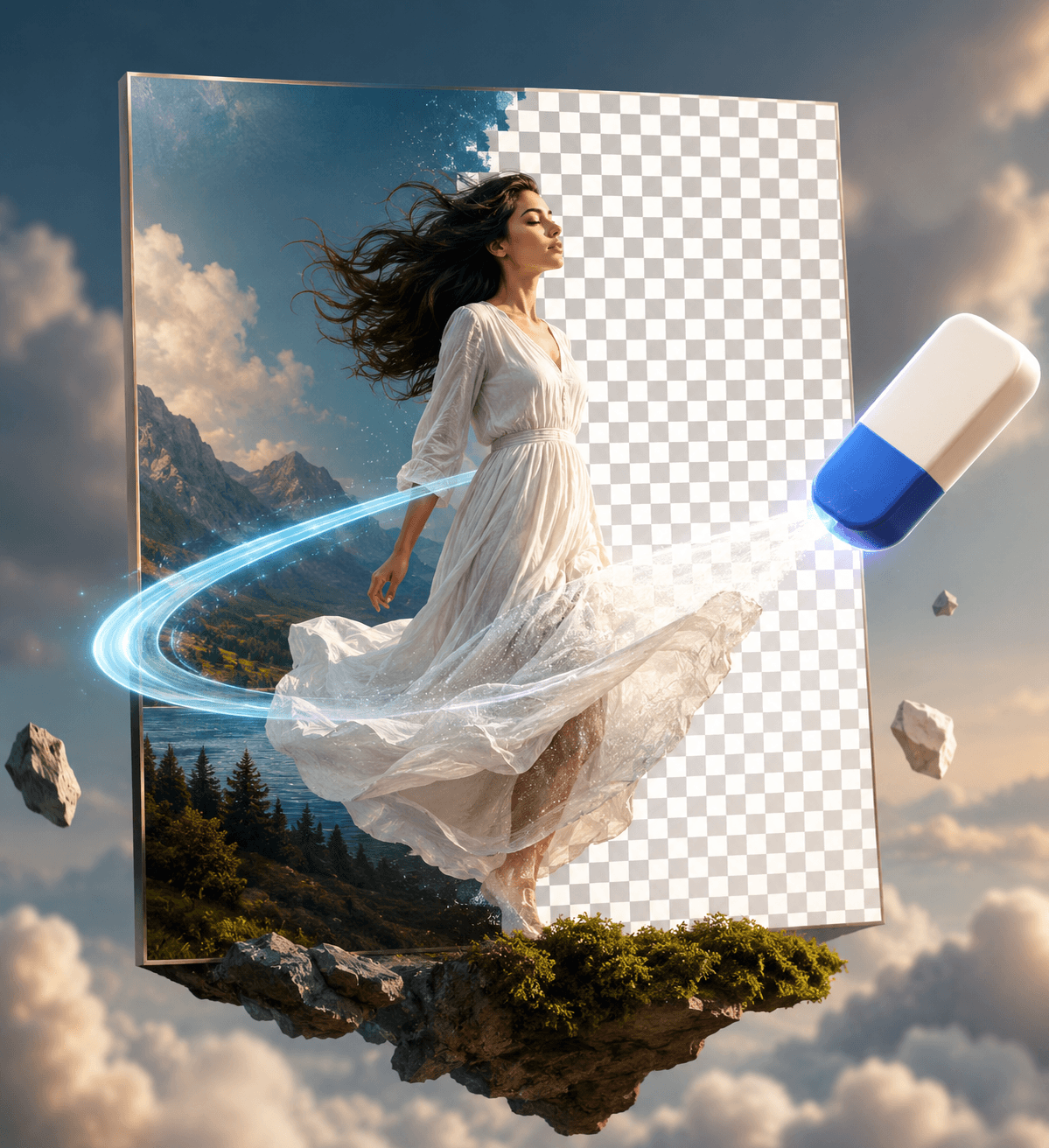
Background Removal
Automatically isolate subjects.
Object Replacement
Modify elements within existing images.
Image Expansion
Extend image boundaries beyond the original frame.
AI Upscaling
Improve quality without losing detail.
Commercial Usage Rights
Businesses should verify licensing terms before using generated images commercially.
Real-World Applications of AI Image Generators
Content Marketing
Marketers frequently use AI-generated visuals to enhance blog articles and educational resources.
For example, organizations publishing AI-related content through Xelta AI can create custom illustrations that improve engagement and visual storytelling.
Social Media Content
Brands generate eye-catching visuals for:
- Instagram posts
- LinkedIn updates
- Facebook campaigns
- Pinterest graphics
Product Marketing
Businesses create promotional assets without requiring expensive photoshoots.
Website Design
AI-generated visuals can support:
- Landing pages
- Service pages
- Blog content
- Product showcases
Educational Materials
Educators use custom graphics to explain complex concepts more effectively.
Benefits of Using an AI Image Generator
Increased Productivity
Design teams can focus on strategy and creativity rather than repetitive production tasks.
Lower Costs
Businesses reduce spending on stock photography and design resources.
Unlimited Creative Possibilities
Users can generate unique visuals tailored to specific needs.
Improved Content Performance
Visual content generally increases engagement and retention.
Better Content Scalability
Organizations can maintain a consistent publishing schedule with fewer production bottlenecks.
AI Image Generator Comparison
Traditional Graphic Design
Advantages
- Complete creative control
- Precise customization
Challenges
- Time-consuming
- Resource intensive
Stock Photography Platforms
Advantages
- Immediate access to visuals
- Professional quality
Challenges
- Limited uniqueness
- Licensing restrictions
AI Image Generators
Advantages
- Custom image creation
- Rapid production
- Unlimited variations
- Cost efficiency
Challenges
- Results depend on prompt quality
For most businesses, AI image generators provide the strongest balance between speed, cost, and customization.
How to Choose the Right AI Image Generator
Define Your Primary Use Case
Different users have different objectives.
Consider whether you need:
- Marketing visuals
- Product imagery
- Website graphics
- Concept art
- Educational illustrations
Evaluate Image Quality
Review sample outputs carefully.
Look for:
Detail Accuracy
Images should appear realistic and well-composed.
Consistency
Generated content should align with brand requirements.
Resolution
Higher resolutions provide greater flexibility.
Review Editing Features
Advanced editing capabilities often reduce the need for external software.
Assess Scalability
Businesses should choose platforms capable of supporting long-term growth.
Understand Licensing Terms
Commercial usage rights are critical for professional applications.
Expert Advice for Better AI Image Generation
Write Detailed Prompts
Specific prompts generally produce better results.
Include:
- Subject descriptions
- Style preferences
- Lighting conditions
- Colors
- Composition details
Maintain Brand Consistency
Develop prompt templates that align with your visual identity.
Test Multiple Variations
Generating multiple versions often produces stronger final results.
Combine AI with Human Creativity
The best outcomes occur when AI accelerates production while humans provide strategic direction.
Continuously Refine Outputs
Treat AI-generated images as creative starting points rather than final deliverables.
Internal Resources for Learning More About AI
Businesses exploring AI-powered content creation may also find these resources helpful:
Xelta AI Homepage Xelta AI Platform Overview
These resources provide additional insights into AI-powered workflows, automation capabilities, and content generation technologies.
Trusted External Resources
To stay updated on developments in AI image generation, consider following:
These organizations continue to advance the state of artificial intelligence and generative media technologies.
Future Trends in AI Image Generation
The AI image generation industry continues to evolve rapidly.
Real-Time Generation
Images will be created almost instantly from prompts.
Brand-Aware AI Models
Future systems will automatically align outputs with brand guidelines.
Enhanced Editing Workflows
AI-powered editing will become increasingly sophisticated.
Multimodal Content Creation
Platforms will combine text, images, video, and audio generation within unified workflows.
Personalized Visual Experiences
Businesses will create individualized content for customers at scale.
Why AI Image Generators Matter in 2026
Visual content remains one of the most powerful forms of digital communication. As organizations compete for attention across increasingly crowded channels, the ability to create high-quality visuals quickly becomes a significant competitive advantage.
AI image generators enable businesses, creators, educators, and marketers to produce professional-quality content faster, more efficiently, and at a lower cost than traditional methods.
Organizations that successfully integrate AI image generation into their workflows will be better positioned to scale content production, improve engagement, and maintain creative agility throughout 2026 and beyond.
Frequently Asked Questions
What is an AI image generator?
An AI image generator is a software platform that creates original images from text prompts, sketches, or creative instructions using artificial intelligence.
Are AI-generated images suitable for business use?
Yes. Many platforms offer commercial usage rights, making them suitable for marketing, advertising, websites, and business communications.
Can AI image generators replace designers?
AI tools enhance productivity but do not replace strategic thinking, branding expertise, and creative direction provided by professional designers.
How can I improve AI-generated image quality?
Use detailed prompts, generate multiple variations, refine outputs, and utilize advanced editing features.
What industries benefit most from AI image generation?
Marketing, e-commerce, education, software, healthcare, real estate, media, and content creation industries frequently use AI-generated visuals to scale production efficiently.