






From Idea to Export With Magic Eraser AI: A Workflow Built for Creators
The object disappears in one click, yet the viewer keeps noticing the place where it used to be. Social creators, photographers, content teams, and marketers cleaning visual distractions from usable source images often find the defect only after the file is resized or placed in a real layout. For magic eraser ai, the Xelta creative platform fits a disciplined process: define the job, control what may change, and keep final approval human.
Treat magic eraser ai as a production method, not a one-off effect. The target is a repaired scene in which the removed object is no longer visible and the rebuilt background still looks structurally natural. Preserve the main subject, horizon and architectural lines, repeating textures, lighting direction, shadows that belong to retained objects, and final crop, then test the result in the exact formats where it will be published.
The practical decision comes before the mask: remove, crop, retouch, or abandon the source. A repaired patch has to follow the same lines, texture, and light as the untouched scene. A repeatable magic eraser ai workflow keeps the source, edit direction, correction notes, approval, and final use connected.
Erasing Is Easy; Rebuilding the Background Is the Real Work
The useful answer is practical: Magic eraser AI works best on a specific distraction surrounded by enough visual evidence to rebuild the scene. Mark the target tightly, protect the subject, inspect lines and textures at full size, then test the result at its final crop. Use manual repair or a new source when the removed object hides important structure. For magic eraser ai, use the image generation workspace for controlled exploration, then apply source, destination, and human review.
Decide Whether the Object Is Removable Before You Touch It
Before selecting an eraser, inspect what sits behind and around the unwanted object. The final asset must preserve the main subject, horizon and architectural lines, repeating textures, lighting direction, shadows that belong to retained objects, and final crop. Write those items as non-negotiables before any generation or edit begins.
Next, define the approval evidence. Reviewers should score mask precision, background reconstruction, line continuity, texture variation, shadow consistency, local sharpness, and absence of repeated patterns. For magic eraser ai, decide what counts as approve, revise, and reject before the first candidate is shown. If the missing background cannot be inferred from nearby pixels or another frame, a crop or different source may be more honest.
Prepare a Mask That Gives the Scene Enough Context
Prepare the source as if another creator must finish the job without a call. The input pack should contain the original file, a clearly defined removal target, surrounding context, a clean reference frame when available, and the intended export size. The magic eraser ai input pack should also name the approver and the reason the asset exists. A clear destination narrows composition, texture, crop, and export decisions. The expected outputs are a cleaned master, a 100-percent inspection proof, a final-size proof, one alternate crop, and a short note about repaired areas. Keep them together with the source and revision note. That magic eraser ai record lets another teammate understand, repeat, or challenge the decision without relying on memory.

A Creator Workflow From Selection to Export
-
Choose the removal target. For magic eraser ai, use the approved input pack to create a job statement; review it before continuing. 2. Check hidden structure. For magic eraser ai, use the approved input pack to create a source-risk note; review it before continuing. 3. Draw a tight mask. For magic eraser ai, use the approved input pack to create a protected-area map; review it before continuing. 4. Generate one controlled repair. For magic eraser ai, use the approved input pack to create a candidate set; review it before continuing.
-
Inspect repeated patterns. For magic eraser ai, use the approved input pack to create a defect record; review it before continuing. 6. Review final crops. For magic eraser ai, use the approved input pack to create a approved proof pack; review it before continuing. 7. Export with notes. For magic eraser ai, use the approved input pack to create a handoff record; review it before continuing.
Test the route on a street-style portrait with a bright sign, a litter bin, and a partial passerby competing with the subject near the frame edge. Keep one major variable stable, record the changed instruction, and reject any candidate that damages the main subject, horizon and architectural lines, repeating textures, lighting direction, shadows that belong to retained objects, and final crop. At the last gate, score mask precision, background reconstruction, line continuity, texture variation, shadow consistency, local sharpness, and absence of repeated patterns and write down the remaining limitation before export.
Texture Repeats, Bent Lines and Ghost Shadows
Erased areas often reveal the tool through reconstruction errors. Common failures include ghost shadows, cloned texture blocks, bent walls, broken railings, smeared grass, repeated pavement, missing reflections, and soft patches that appear only after export. Each magic eraser ai defect should trigger a clear action: local repair, a changed boundary, a more conservative route, or source rejection. Best practice is different from correction. Use a smaller mask, preserve more context, and repair one defect at a time instead of re-erasing the whole area. Update the magic eraser ai checklist so that failure is easier to catch on the next assignment.
Clone Stamp, Crop or Magic Eraser
Creators usually choose among cropping, manual repair, and assisted erasing: cropping the distraction out, manual clone-and-heal work, or using an AI eraser followed by focused human cleanup. Compare the magic eraser ai routes by correction cost, control, source quality, destination risk, and finishing skill. Use the lowest-risk method that meets the brief. Automation adds value to magic eraser ai when the task is bounded and repeatable. For magic eraser ai, manual work remains stronger around exact text, delicate identity details, strict geometry, or missing evidence.
Where Xelta Fits When One Cleanup Needs Many Versions
Xelta fits once the exact distraction and surrounding context are clear. A user can begin with the original file, a clearly defined removal target, surrounding context, a clean reference frame when available, and the intended export size and create a small comparison that can be scored against mask precision, background reconstruction, line continuity, texture variation, shadow consistency, local sharpness, and absence of repeated patterns. The first draft is a candidate, not an automatic final asset.
The platform can reduce repetitive variation and proof creation for creators who have a strong source image and need targeted cleanup rather than a completely new composition. Human reviewers still own the main subject, horizon and architectural lines, repeating textures, lighting direction, shadows that belong to retained objects, and final crop, rights, claims, realism, accessibility, and the publishing decision.
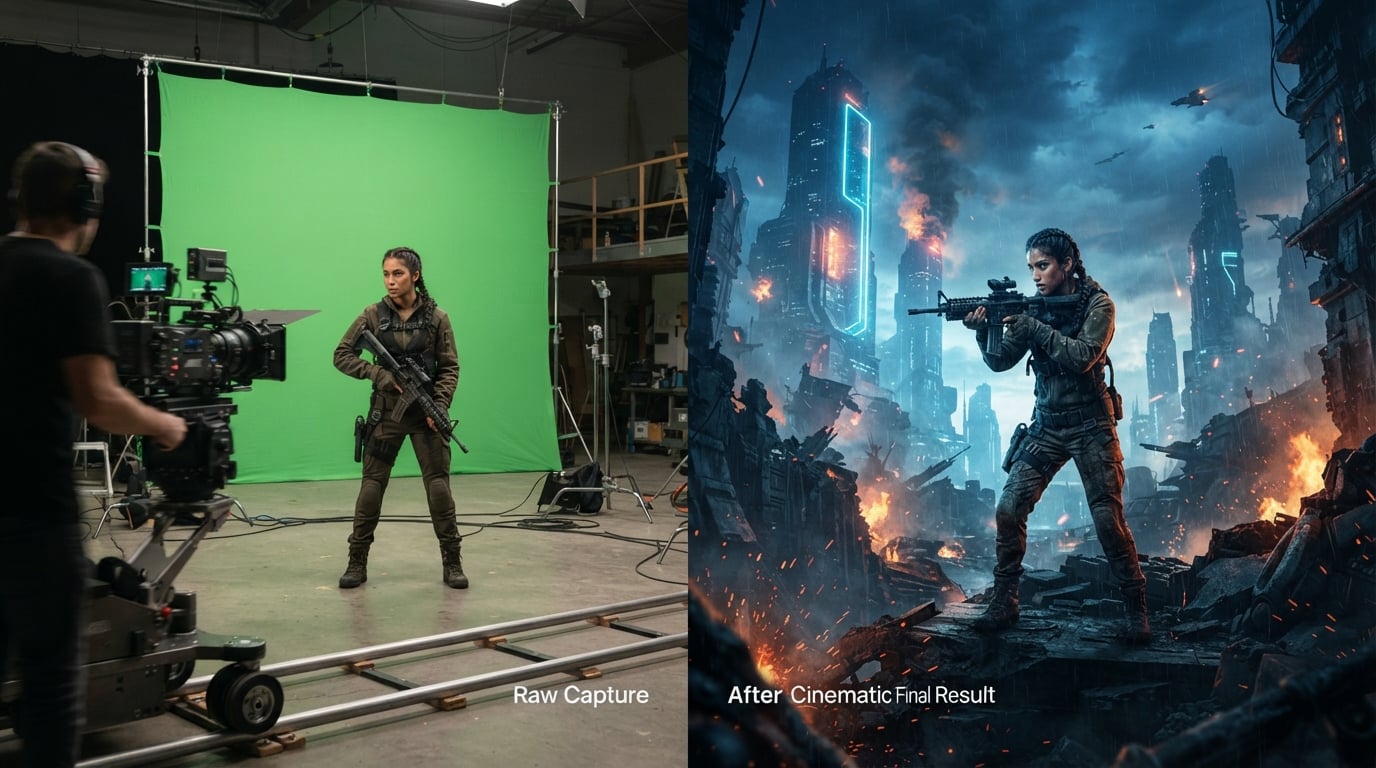
From Street Photo to Clean Thumbnail and Ad Crop
Input: the original file, a clearly defined removal target, surrounding context, a clean reference frame when available, and the intended export size. Action: upload the source and define a tight removal mask. First draft: one cleaned image with the distraction removed. Iteration: reduce the mask, repair a line, or choose a safer crop. Human review: lines, textures, shadows, reflections, and the subject. Final use: a cleaned master, a 100-percent inspection proof, a final-size proof, one alternate crop, and a short note about repaired areas.
The repetitive advantage is faster comparison and planned versioning. The learning curve is source selection and boundary control. Users should expect large occlusions, objects crossing faces or hands, complex reflections, repeating geometry, and missing background evidence may make repair unreliable. The Xelta creator learning resources can support broader learning, but the team must still apply its own brief and approval rules.
Review at 100 Percent and at Final Size
A cleanup file should retain enough history for another creator to locate the repaired region. Save the magic eraser ai source, brief, changed variable, candidate, reviewer, decision, and known limitation. That magic eraser ai record supports editorial accountability without implying direct testing of every product condition. The guidance is written for social creators, photographers, content teams, and marketers cleaning visual distractions from usable source images and is based on common production controls: bounded inputs, comparable outputs, destination proofs, and human approval. Name the file for the subject and final use, and write alt text for the cleaned image rather than narrating every removed distraction. Keep factual and legal claims outside the magic eraser ai asset unless they are approved separately.
A Small Edit Log Prevents Repeat Mistakes
Create a compact handoff note for each cleaned master. The passing check is: target removed; structure rebuilt; texture checked; shadows resolved; crop approved; repair area documented. Record each magic eraser ai failure reason so the next brief can improve.
Track one magic eraser ai measure, such as repair minutes, revision rounds, approval delay, or reuse. Then test a street-style portrait with a bright sign, a litter bin, and a partial passerby competing with the subject near the frame edge at 100 percent, at final size, and inside the real layout before the magic eraser ai workflow is expanded.
Export the Cleaned Asset With Its Limits Understood
The best eraser workflow leaves the viewer with no reason to inspect the repaired area. Start the magic eraser ai rollout with one real assignment and complete the full approval cycle before scaling. Keep the magic eraser ai source, rejected candidates, repair notes, and decision together so the next project begins with evidence.
For a controlled next step, use the Photo Lab workflow with a narrow brief and a named reviewer. The goal is not to remove every manual decision. The aim of magic eraser ai is easier repeated production while the final asset remains accurate, useful, and channel-ready.