

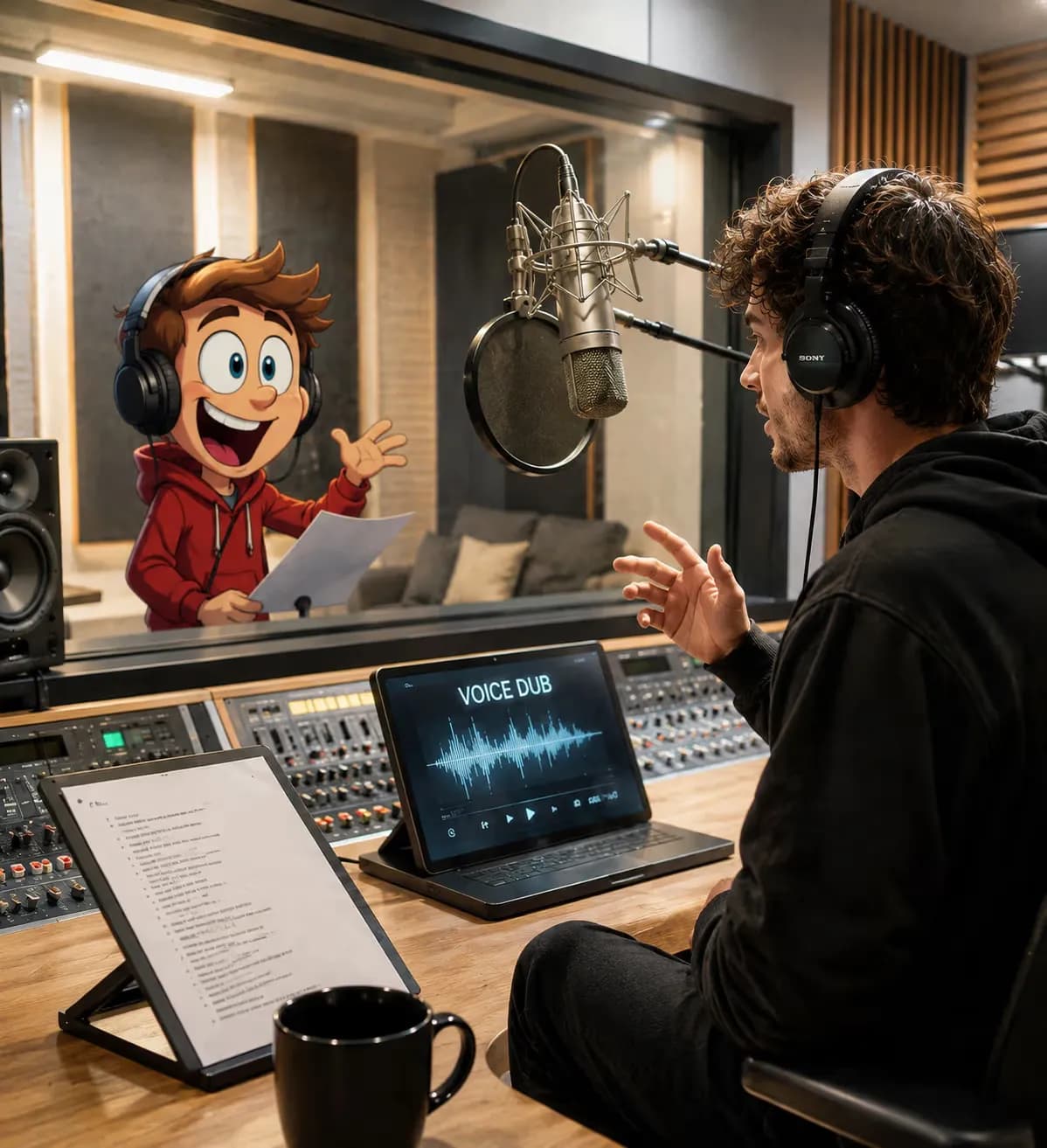




From Idea to Post: Using AI for Social Media Content Creation
Social media moves fast. By the time you've brainstormed a post, written the copy, edited a video, and scheduled it — the trend has already passed. That's the challenge every creator and marketing team faces today. AI is changing that equation entirely. With the right tools, you can go from a raw idea to a published, optimized post in a fraction of the time it used to take. This guide walks you through the full journey — from ideation to publishing — and shows how AI is reshaping every step of the content creation process.
Why AI Is the Missing Link in Social Media Content Workflows
Traditional social media workflows are fragmented. You rely on separate tools for writing, design, video editing, scheduling, and analytics. Each handoff wastes time and introduces errors. AI-powered platforms are collapsing this stack into unified workflows where a single prompt can trigger an entire content pipeline.
The results speak for themselves. Brands using AI content tools report 3x faster production cycles, lower per-post costs, and higher engagement rates driven by better-targeted content. Whether you're a solo creator or managing a team of ten, AI removes the bottlenecks that slow you down.
Step 1: Turning Ideas Into Content Briefs with AI
Every great post starts with an idea, but most ideas need refinement before they become content. AI tools can help you:
- Expand a vague topic into a full content brief
- Identify the best angle based on trending discussions
- Suggest formats (reel, carousel, story, long-form post) based on platform and audience
Using AI for Topic Research
When you feed a topic into an AI assistant — say, "sustainable fashion" — it can surface subtopics, related keywords, audience pain points, and even competitor content gaps. This transforms shallow ideas into content with genuine depth and searchability.
Platforms like Xelta.ai are built specifically for this kind of content intelligence. Instead of treating each piece of content as an isolated task, Xelta helps you build a connected content ecosystem where each post reinforces your broader strategy.
Prompt Engineering for Social Media
Good AI output starts with good prompts. A weak prompt like "write a post about fitness" yields generic content. A strong prompt like "write a punchy Instagram caption for a 30-second reel targeting women 25-35 who want quick home workouts, using an empowering and motivational tone" yields something usable. Learning to prompt well is a skill that pays dividends across every AI tool you use.
Step 2: Creating Visual and Video Content with AI
Text is only part of the social media puzzle. Video consistently outperforms static content across every major platform. AI now makes video production accessible to creators who don't have editing skills, equipment, or time.
AI Reel Creation
Short-form video — Reels, Shorts, TikToks — is the dominant content format of the current era. The AI Reel Creator at Xelta lets creators generate polished, platform-ready reels from scripts, prompts, or raw footage. The system handles transitions, pacing, text overlays, and music alignment automatically.
This means you can produce a week's worth of reels in the time it used to take to edit one. For teams managing multiple accounts or brands, the efficiency gain is massive.
Intelligent Video Cutting
One of the most time-consuming parts of video production is finding the best moments in long footage. Magic Cut automates this by analyzing your video and extracting the highest-impact segments. It identifies moments based on energy, pacing, and content relevance — not just arbitrary timestamps.
The result is a highlight reel that would have taken hours to assemble manually, delivered in minutes.
Video Stitching for Multi-Clip Content
Many creators work with multiple clips — B-roll, talking head footage, screen recordings — that need to be assembled into a cohesive narrative. The Video Stitcher handles this intelligently, sequencing clips and adding transitions that make the final product feel intentional rather than cobbled together.
Step 3: Writing Copy That Converts
AI writing tools have matured enormously. The best ones don't just generate text — they generate platform-appropriate content with the right voice, length, and hook structure for each channel.
Platform-Specific Copy
What works on LinkedIn doesn't work on Instagram. A thoughtful LinkedIn post is typically 150-300 words, professional in tone, and leads with a compelling observation. An Instagram caption is punchy, emoji-friendly, and ends with a clear CTA. AI tools that understand these distinctions will save you constant manual editing.
Hooks, CTAs, and Hashtags
The first line of any social post is the hook — and most posts fail or succeed based on those first few words. AI can generate dozens of hook variations so you can A/B test across your content calendar. Pair that with AI-generated hashtag sets tailored to your niche and you have a significant distribution advantage.
Step 4: Scheduling and Distribution at Scale
Creating content is only half the battle. Getting it in front of the right audience at the right time is the other half. AI-powered scheduling tools analyze historical performance data, audience activity patterns, and platform algorithms to recommend optimal posting windows.
Automated Social Posting
Xelta's Auto Posting tool enables fully automated publishing across multiple platforms from a single dashboard. Once your content is created and approved, the system handles the rest — scheduling, formatting for each platform, and publishing without manual intervention.
For Instagram specifically, Insta Autoposting streamlines the process of pushing Reels, carousels, and stories at optimal times. LinkedIn users benefit from LinkedIn Autoposting, which handles the nuances of that platform's algorithm and formatting requirements. Facebook campaigns can be managed through FB Autoposting.
Step 5: Measuring Performance and Iterating
The final step in any content workflow is measuring what worked and using those insights to improve future content. AI analytics tools go beyond vanity metrics (likes, views) to surface actionable insights about:
- Which content formats drove the most profile visits or clicks
- Which hooks generated the highest watch time or engagement rate
- Which posting times correlated with the best organic reach
When you feed these insights back into your ideation process, you create a flywheel: better data leads to better content, which generates better data.
Feature Comparison: Manual vs. AI-Powered Content Workflow
| Workflow Stage | Manual Approach | AI-Powered Approach |
|---|---|---|
| Ideation | Hours of research and brainstorming | Minutes with AI topic generators |
| Scripting/Copywriting | 30–60 min per post | 2–5 min with AI writing tools |
| Video Editing | 2–4 hours per reel | Under 30 min with AI editors |
| Scheduling | Manual, error-prone | Automated with optimal timing |
| Performance Analysis | Weekly manual review | Real-time AI-driven insights |
| Total Time per Post | 4–8 hours | Under 1 hour |
Real-World Use Cases
Solo Creators
A lifestyle blogger managing Instagram, TikTok, and YouTube Shorts can use AI to batch-produce a month's worth of content in a single weekend. Tools like the Xelta AI Studio give solo creators access to production capabilities that used to require a full team.
Marketing Teams
A three-person digital marketing team at a mid-sized brand can use AI to multiply their output by 5x without adding headcount. By automating the repetitive tasks (editing, resizing, scheduling), team members can focus on strategy, brand voice, and creative direction.
Agencies
Agencies managing 10+ client accounts can use AI to standardize quality and accelerate delivery timelines. Bulk content production, templated workflows, and automated reporting all become possible at scale.
Common Pitfalls to Avoid
Even with powerful AI tools, creators make mistakes that undermine their results:
Over-automating the voice. AI is a starting point, not a final draft. Your brand voice should come through in every post. Review and personalize AI-generated content before publishing.
Ignoring platform nuances. A reel that kills it on Instagram might flop on LinkedIn. Tailor your content for each channel's audience and format expectations.
Skipping the strategy layer. AI can't set your strategy for you. You need to define your goals, target audience, and content pillars before AI can help you execute them effectively.
Not testing. The biggest advantage of AI-powered content production is volume — which means more opportunities to test. Use that advantage. Run A/B tests on hooks, formats, and posting times.
Exploring the Xelta Ecosystem
Beyond the core tools, Xelta's SocialVerse offers a broader content intelligence layer — connecting your content strategy with performance data, competitor insights, and trending formats in your niche.
For creators building structured video series, the Microdrama Flow provides a production framework for serialized short-form content. The Promo Teaser Flow helps you create anticipation-building content to warm audiences before a major launch or release.
See the full range of plans and features on the Xelta pricing page, and explore the Xelta blog for more guides on leveraging AI for content creation.
FAQ
Q: Can AI completely replace a human content creator? A: Not entirely — and that's not the goal. AI handles the time-consuming execution tasks (editing, formatting, scheduling) so human creators can focus on strategy, storytelling, and creative direction. The best results come from human-AI collaboration, not replacement.
Q: How much technical skill do I need to use AI content tools? A: Modern AI content platforms like Xelta are designed for non-technical users. If you can write a sentence describing what you want, you can use these tools. No coding, design, or video editing experience is required.
Q: Will AI-generated content hurt my organic reach? A: Platform algorithms care about engagement, not whether AI helped you create the content. High-quality, relevant content that resonates with your audience will perform well regardless of how it was made. The key is ensuring AI output is reviewed and refined to match your brand voice.
Q: How do I maintain consistency across AI-generated posts? A: Define your brand voice, visual style, and content pillars upfront. Use these as guardrails when prompting AI tools. Review outputs before publishing and build a style guide that you apply consistently.
Q: Is AI content creation cost-effective for small businesses? A: Absolutely. Most AI content tools are priced accessibly for small businesses and pay for themselves quickly through time savings. Check Xelta's pricing for plans that scale with your needs.
The shift from manual to AI-powered content creation isn't coming — it's already here. The creators and brands that adapt now will build significant competitive advantages in reach, consistency, and creative quality. The tools exist. The question is whether you'll use them.
Written by the Xelta Team