





Choose the Example by the Objection It Solves
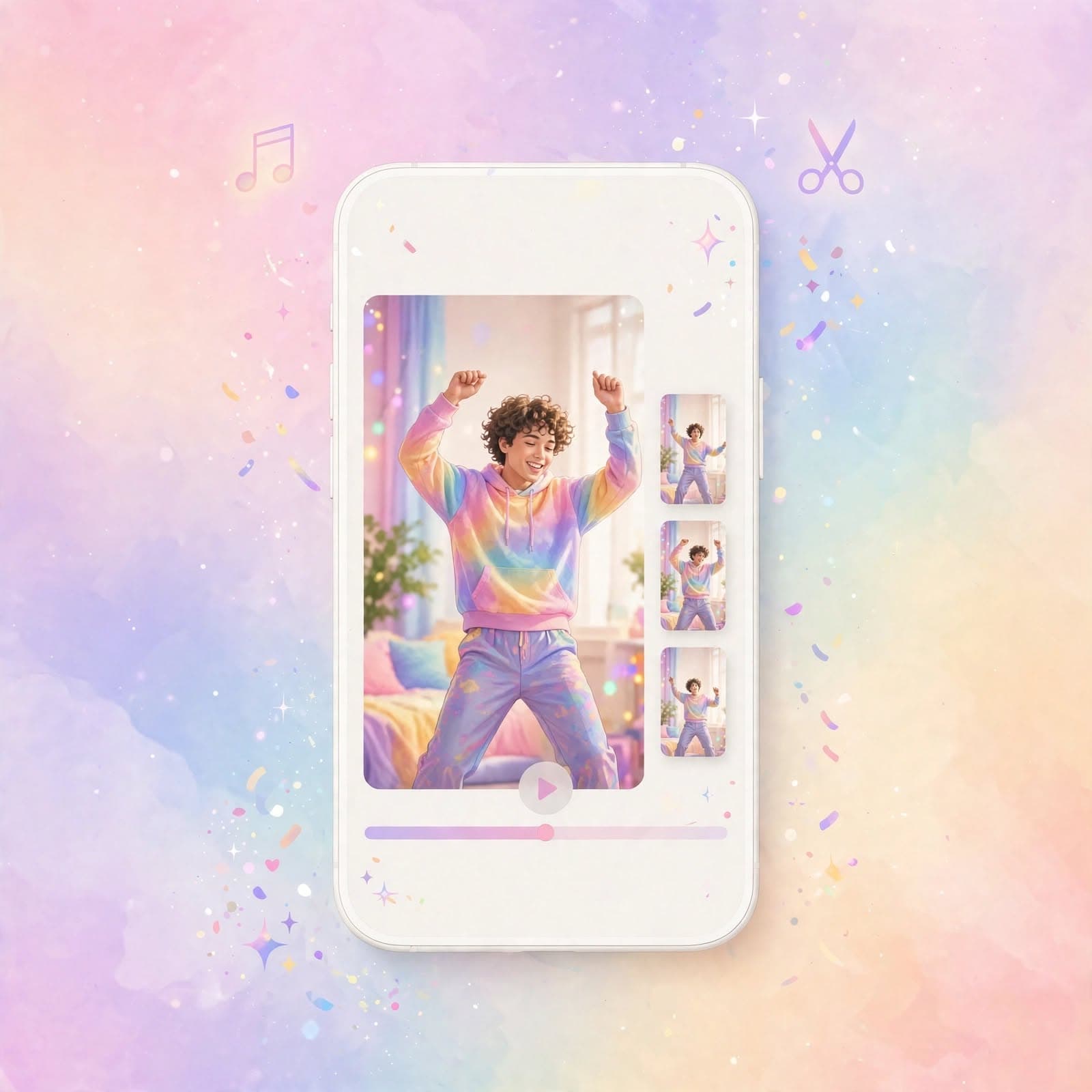
A UGC ad example is useful only when you can see the structure beneath it. Copying a creator's words or camera angle rarely produces the same result because the product, audience objection, and proof are different. The better approach is to choose an example format based on the buying barrier you need to remove. Xelta can support the production side when the campaign calls for generated images, videos, voices, or ad-specific workflows, but the business brief remains the source of truth.
Most production risk enters where the brief is incomplete. The generator may create a plausible answer, while the business needs the approved answer. Mark those differences before reviewing style.
Eight UGC Ad Formats Worth Adapting
Choose the concept by the customer decision it needs to support. A useful idea has a clear reason for existing, not just a different background or visual style.
-
Problem-solution demo: Lead with the most immediate reason to pay attention and keep the offer easy to understand.
-
First impression: Use a specific scene or proof element so the viewer can picture the outcome.
-
Quick tutorial: Show enough process to reduce uncertainty without turning the ad into a full tutorial.
-
Old way versus new way: Give the viewer a low-friction action that matches their readiness.
-
Daily routine: Use real brand or community evidence where available and clearly label illustrative visuals.
-
Objection answer: Refresh timing or context while keeping the approved message consistent.
-
Unboxing: Answer one common hesitation directly rather than adding another generic benefit.
-
Evidence-led before and after: Reveal the product, service, or result in a way that can be understood without sound.
Turn the Tutorial Format Into a Complete Brief
A useful test case is a reusable lunch container with a leak-resistant lid. The creative should answer three questions without extra explanation: who is this for, what changes for them, and what should they do next? Everything factual should come from approved source material rather than the generator's interpretation.
The first comparison should be intentionally narrow. Keep the audience, product, offer, and action stable, then change either the opening, the evidence, or the visual context. A clean test creates a reusable learning even when neither version becomes the final ad.
Do not confuse realism with readiness. A draft may look finished while containing a wrong label, weak CTA, implausible hand, or unsupported promise. The final decision belongs to the people responsible for the brand, offer, and campaign outcome.
How to Produce Variations Without Losing the Product
Once the idea is approved, use the image-based UGC video workflow to create or adapt the relevant visual or video asset. Keep the offer and product facts fixed while changing the composition or opening.
-
Reduce the request to one communication job. Name the audience, the promise they should notice, and the action the asset should support.
-
Create a source pack containing current product images, approved wording, brand references, offer conditions, and the exact formats required by the media plan.
-
Choose the workflow that matches the required medium instead of forcing every campaign into one generator.
-
List protected elements before writing creative instructions. The product, logo, factual claims, price, and CTA may be locked while setting, angle, pacing, and background remain open to variation.
-
Produce a control version before exploring alternatives. It gives reviewers a stable reference for every later change.
Why Some UGC Examples Feel Scripted
Build a creative family, not a folder of unrelated posts. Shared product treatment and message hierarchy make each variation easier to recognise and evaluate.
| Area | How to evaluate | Warning sign |
| --- | --- | --- |
| Problem-solution demo | Keep it fixed or test it deliberately | Reject versions that make the decision less clear |
| First impression | Keep it fixed or test it deliberately | Reject versions that make the decision less clear |
| Quick tutorial | Keep it fixed or test it deliberately | Reject versions that make the decision less clear |
| Old way versus new way | Keep it fixed or test it deliberately | Reject versions that make the decision less clear |
| Daily routine | Keep it fixed or test it deliberately | Reject versions that make the decision less clear |
| Objection answer | Keep it fixed or test it deliberately | Reject versions that make the decision less clear |
A Review Checklist for Sales-Focused Creative
Repeated creative errors often point to an unclear source pack or vague review note. Fix the instruction and ownership problem before generating another large batch.
-
Copying viral wording that does not fit the product.
-
Using a testimonial tone without real customer evidence.
-
Showing a result the product cannot substantiate.
-
Changing the hook and proof at the same time during testing.
AI can reduce the time spent reaching a first draft, but it cannot accept commercial or legal responsibility for the result. Positioning, evidence, consent, policy compliance, and final sign-off remain human decisions.
Use a source-to-output review. Place the approved product image, copy document, and offer beside the generated asset and verify each relevant detail. This catches small changes that are easy to miss when the overall image looks attractive.
Check delivery constraints early. A workflow may have different credit costs, output lengths, file formats, resolutions, or rights conditions. A pilot should include export and approval, not stop at generation.
Keep the Winning Structure, Refresh the Evidence
The practical next move is to build a single baseline for a reusable lunch container with a leak-resistant lid. Approve the message and product treatment first, then create adaptations from that stable version. This gives explore templates a clear scope and stopping point.
Archive the campaign as a reusable system: what stayed fixed, what was tested, which errors were corrected, which files were approved, and who owns the next update.