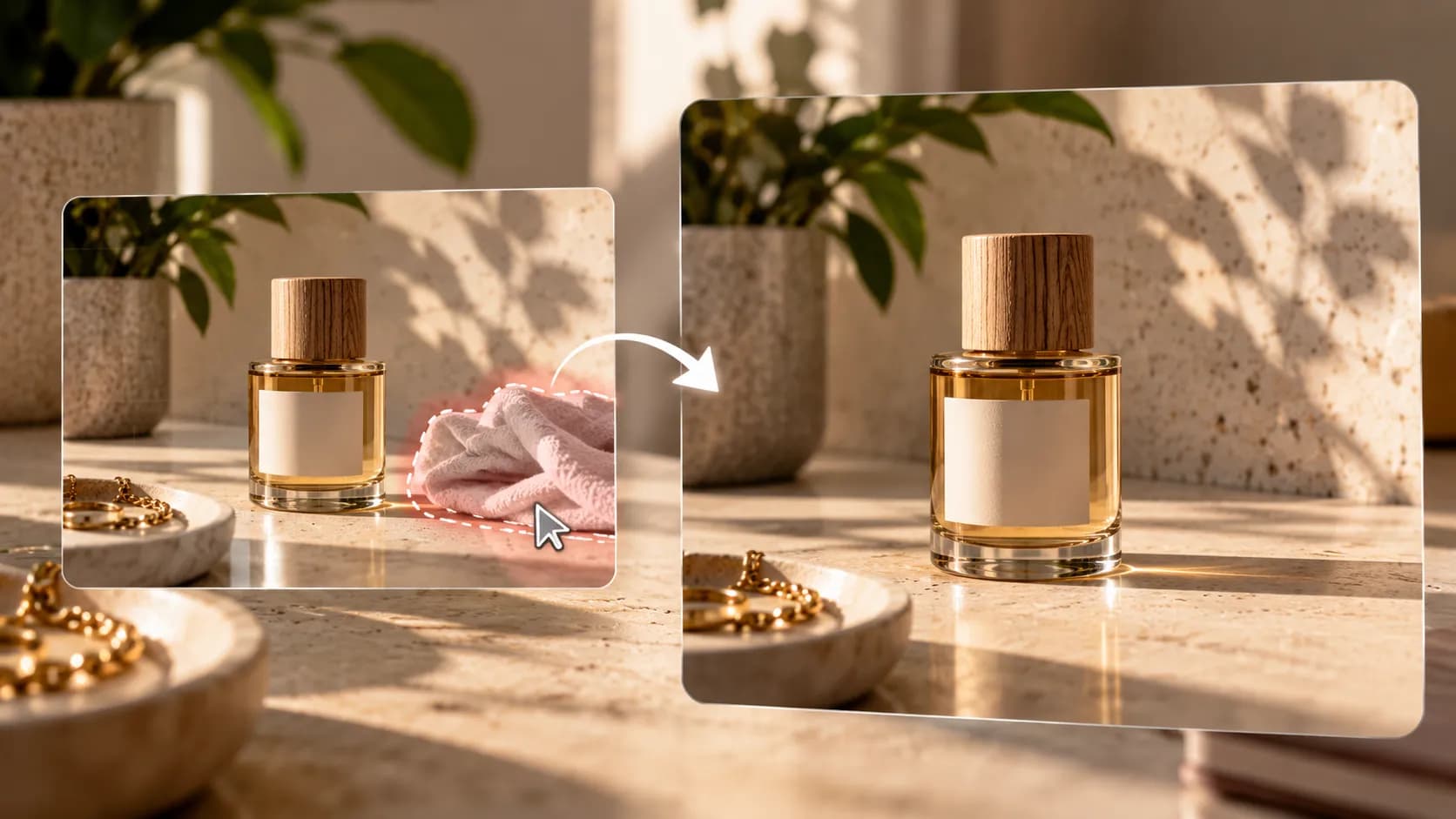








Why UGC Ads Feel Different From Polished Brand Films
UGC ads often look casual, but the effective ones are tightly planned. The camera angle may feel like a phone recording, yet the hook, proof, product moment, and call to action are usually deliberate. Brands get into trouble when they copy the surface style and forget the reason the format works: it presents a specific problem and a believable response. Xelta can support the production side when the campaign calls for generated images, videos, voices, or ad-specific workflows, but the business brief remains the source of truth.
A tool can propose how the campaign looks or sounds, but the team must supply what is true. That distinction should remain visible throughout the workflow.
The Five Building Blocks Behind a Believable UGC Ad
Treat the input pack as part of quality control. Current source files and final offer terms are more valuable than a long mood description built on uncertain details.
| Input | Decision to make | Review question |
| --- | --- | --- |
| Campaign goal | One outcome for this asset | Does the creative ask for one clear action? |
| Audience situation | Problem, desire, or objection | Would the intended viewer recognise the situation? |
| Approved facts | Product details, offer, proof, dates | Can every visible or spoken claim be verified? |
| Format | Placement, ratio, duration, safe zones | Will the message survive the actual crop and interface? |
| Brand controls | Logo, colours, tone, words to avoid | What must remain unchanged across every version? |
From Product Image to Creator-Style Video
The production step can begin in Xelta's AI Ads area. Keep the first pass deliberately small so that the review is about the brief rather than the volume of output.
-
Choose one measurable campaign purpose and write it at the top of the brief. Every creative choice should support that purpose or be removed.
-
Assemble the product, service, or event facts in a locked reference section. Add final spelling, dates, prices, and any wording that cannot be paraphrased.
-
Choose the workflow that matches the required medium instead of forcing every campaign into one generator.
-
Describe the creative range with boundaries. Define the permitted mood, setting, camera behaviour, and level of realism while protecting identity and approved claims.
-
Create one baseline and a few hypothesis-led alternatives. Random variety makes approval slower and testing less informative.
-
Run a technical and editorial check. Confirm the file, ratio, duration, and sound first, then review meaning, accuracy, and brand fit.
-
Correct the smallest possible unit. If the voice is right but the product changes, preserve the audio and regenerate only the visual problem where the workflow allows.
-
Package the final deliverable with the approved copy and source references. The next editor should be able to understand the decision without reopening old chats.
A Practical Scenario: The Leaking Travel Bottle
Consider a compact travel bottle promoted through a problem-solution selfie video. The first draft should not try to explain every feature. It should identify one audience situation, place the product or service in that situation, and show the next decision clearly. The brief must also state what cannot change, including names, prices, packaging, dates, and approved claims.
For this task, Xelta's UGC Ads workflow is the most specific sitemap-verified next step. Use it for the asset type described in the brief, then bring the result back into the wider approval process rather than treating generation as final delivery.
Use the primary message as the control and vary one element at a time. A problem-led opening can be compared with an outcome-led opening while the product shot, offer, CTA, and destination remain fixed. This makes the result easier to interpret and prevents the team from crediting the wrong change.
A convincing first output confirms only that the production direction is possible. It does not validate the claim, the audience fit, or the likely campaign result. Approval should compare the asset with the brief and destination before any media decision is made.
What Brands Should Review Before Publishing
Ask one reviewer to compare the asset with source material and another to read it as a viewer. The first protects accuracy, while the second checks whether the message can be understood quickly.
-
Hook clarity in the opening seconds.
-
Natural pronunciation.
-
Product identity and label accuracy.
-
Disclosure and claims.
-
Caption timing and safe zones.
When UGC Style Is the Wrong Choice
Do not solve a systematic problem with manual cleanup on every file. Strengthen the brief, protected elements, and review checklist so the next version starts closer to approval.
-
Writing a brand slogan as the opening line.
-
Using exaggerated claims that a creator would not naturally say.
-
Hiding the product until the final seconds.
-
Making every scene visually perfect and therefore less believable.
The useful boundary is simple: AI may generate options, but it should not invent the facts that justify the campaign. The business remains responsible for the product, promise, permissions, and final communication.
Do not review only the hero frame. Check every text element, edge crop, product view, face, hand, transition, subtitle, and spoken name that affects trust. Small inconsistencies become more visible after publication.
Commercial readiness also depends on the selected plan and workflow. Verify credits, supported outputs, duration, resolution, watermark status, exports, and usage terms using the current product information.
Build a Repeatable Brief, Not a One-Off Script
Use a compact travel bottle promoted through a problem-solution selfie video to create a small pilot with a named owner and review date. The first approved asset should become the reference for copy, product presentation, and format adaptation, making generate ugc ads easier to govern.
A dependable studio keeps creative memory. Store the inputs, settings, edits, export specifications, and approval notes so later versions can repeat the decision rather than merely imitate the look.