




Color Correction Is a Matching Problem Before It Is a Style Choice
A cinematic grade cannot rescue shots that were never technically matched. For ai video color correction, AI Video Creation workflows on Xelta are most useful when the team defines the reference look, destination, and approval rules before generating scenes. The fastest route to quality is to narrow the job before expanding the output.
For brand video teams, product marketers, filmmakers, ecommerce editors, and agencies, the practical task is to turn camera or generated source clips, an approved reference look, protected brand and product colors, display conditions, destination specifications, and a rights record into a consistent commercial master whose exposure, white balance, contrast, saturation, and scene relationship support the story without changing product truth. The article uses the Reference-Shot-Match-Delivery Model to focus on exposure, white balance, shot matching, protected colors, skin tone, creative looks, display testing, commercial rights, and buyer criteria. The Reference-Shot-Match-Delivery Model does not assume that generation clears rights, proves a claim, or removes the need for editing. Its main risk is that a fashionable color treatment may change protected product shades, flatten skin, hide detail, or be mistaken for a complete commercial-rights review.
The Buyer Answer for Consistent Video Color
Choose one reliable reference, correct technical problems before adding style, protect product and skin colors, match shots in sequence, and review the final encoded files on real devices. Commercial use also requires separate checks for source rights, people, music, trademarks, claims, and destination rules. A ai video color correction is useful when its drafts preserve the reference look, respond to targeted revision, and can be approved for one named destination.
Identify the Reference Look and Protected Colors
Make the release condition more specific than looks good. The real question is how to choose and approve color correction features while separating technical matching from creative grading and commercial permission. Name the audience, final placement, allowed interpretation, protected facts, and reviewer. Then decide which parts of the reference look should be retained, shortened, rebuilt, or omitted. For ai video color correction, this decision prevents a tool comparison from becoming a collection of attractive samples.
The Reference-Shot-Match-Delivery Model
The Reference-Shot-Match-Delivery Model uses five connected records. Source Control defines the approved reference look and protected details. The editorial map states the viewer question, message, and omissions. The generation plan translates the reference look plan into scenes, prompts, references, audio, and edit points. The assembly review tests the color-matched video sequences prepared for commercial campaigns and multi-model AI edits as a sequence. The release record identifies the approved ai video color correction version, destination, limitations, and owner. The Reference-Shot-Match-Delivery Model records stop a reference look problem from being repaired in the wrong place. A source error should not be hidden with a new visual for color-matched video sequences prepared for commercial campaigns and multi-model AI edits.

Calibrate the Source and Viewing Conditions
Collect the highest-quality clips, note color space and transfer information when available, disable accidental display filters, and choose a stable viewing environment. Capture a neutral baseline frame from each shot. Color decisions made on inconsistent sources or uncontrolled screens can create a correction that fails elsewhere. Input: Original clips, technical metadata, and a reference display setup. Output: A baseline contact sheet and source condition record. Review: Check clipping, crushed shadows, color casts, mixed lighting, and existing baked-in looks. Next: Mark the protected colors and reference shot.
Separate Technical Correction From Creative Grading
Correct exposure, white balance, and obvious channel imbalance before adding a campaign look. Describe creative contrast, warmth, saturation, and mood as a second decision layer. Mixing repair and style makes it difficult to explain why a product, skin tone, or environment changed. Input: The baseline contact sheet, approved references, and brand color values when available. Output: A technically balanced pass and a separate look proposal. Review: Compare the corrected image with the source evidence and approved product assets. Next: Choose the hero reference shot for sequence matching.
Match Shots by Their Role in the Sequence
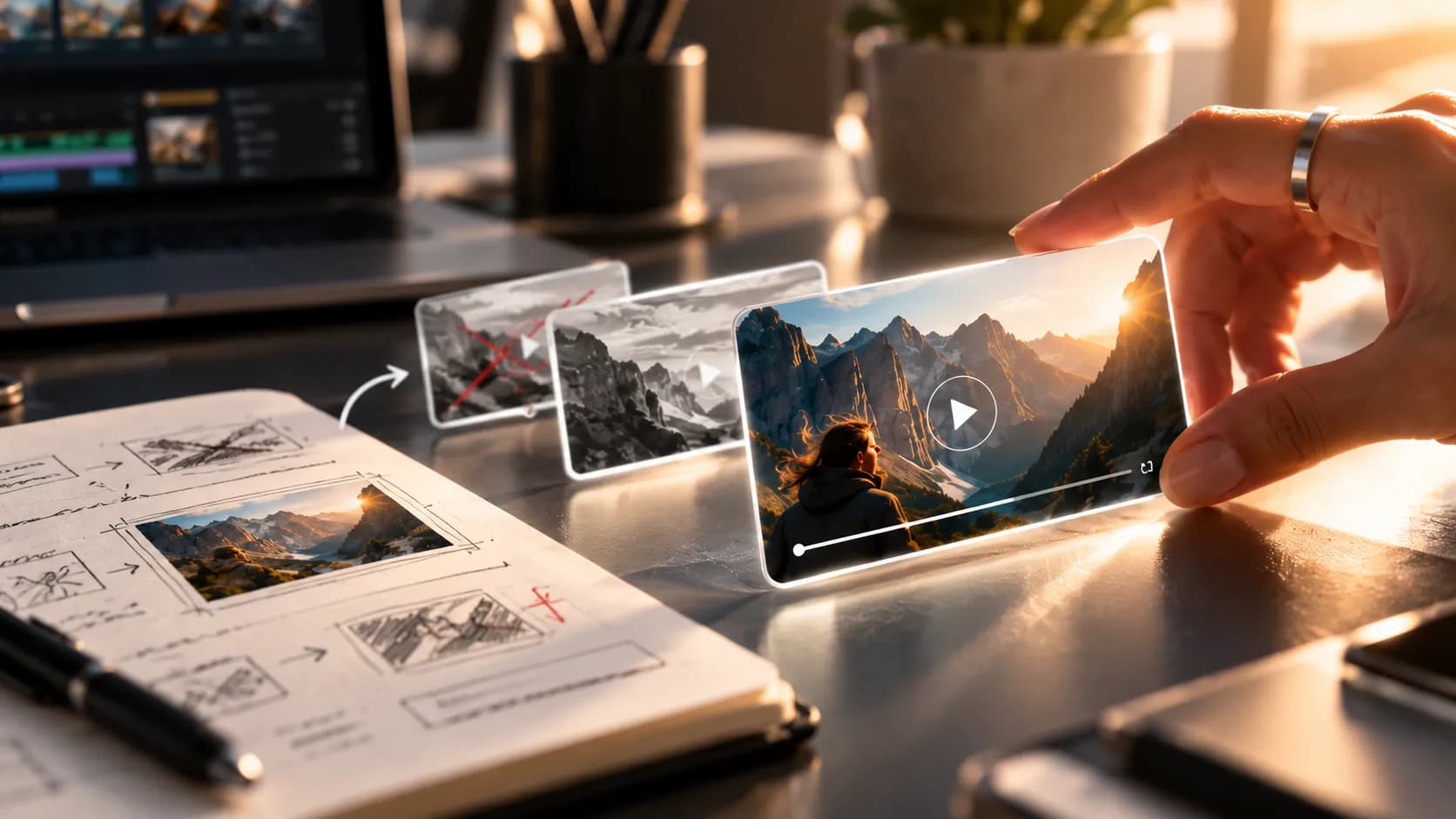
Group clips by location, subject, product, time, and narrative role. Match exposure and color relationships before applying one global preset. Use local adjustments where generated and recorded sources respond differently. A consistent sequence does not require every shot to be identical; it requires intentional relationships. Input: The balanced clips, hero reference, and scene order. Output: A matched rough sequence with notes for exceptions. Review: Check cuts at normal speed and inspect skin, packaging, neutral surfaces, and highlights. Next: Prepare destination-specific exports for display testing.
Validate Color Across Devices and Final Exports
Review the encoded master on at least a representative desktop and mobile display, inside the actual platform preview when possible. Check product color, skin tone, gradients, blacks, subtitles, and compression shifts. The local grading preview is not the same object the audience receives after encoding and platform processing. Input: The matched master, destination exports, and approved references. Output: A signed color review record tied to the final files. Review: Confirm rights, claims, and commercial-use conditions separately from visual approval. Next: Release only the named approved export and archive its settings.

A Product Demo Mixed From Three Visual Sources
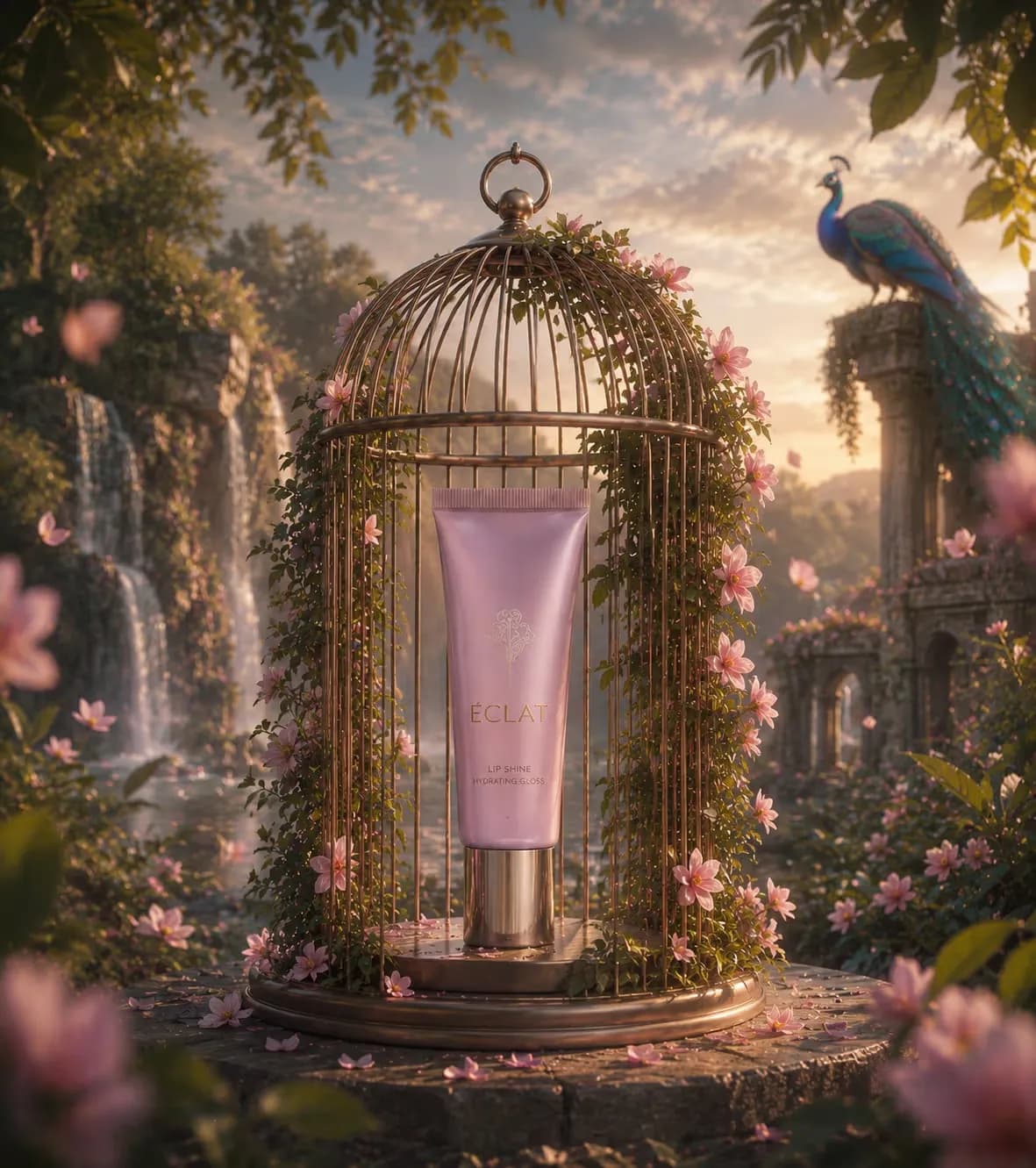
Take a realistic production assignment: a cosmetics brand matching a generated lifestyle scene, recorded product demonstration, and presenter clip without shifting the approved packaging shade. The ai video color correction team first identifies protected facts in the reference look and one viewer outcome. It then creates a source map, a Reference-Shot-Match-Delivery Model plan, and a named checklist for color-matched video sequences prepared for commercial campaigns and multi-model AI edits. Early ai video color correction drafts are assembled before every detail is polished, so reference look sequence problems appear while they are still inexpensive to change. This reference look scenario is a worked example, not a performance claim.
Preset, Manual Grade, or AI-Assisted Match
The ai video color correction options below solve different production problems. Compare them using reference look fidelity, control, review effort, editability, and destination fit. For color-matched video sequences prepared for commercial campaigns and multi-model AI edits, the strongest method preserves required information and reaches approval without hiding repair work.
Color Decisions That Damage Product Trust
The most damaging failure patterns are using a creative preset before fixing exposure and white balance, matching every shot to identical numeric values despite different scene roles, allowing brand colors or product packaging to drift for mood, grading from a heavily filtered or uncalibrated display, and assuming color approval also grants rights for footage, people, music, or trademarks. For ai video color correction, these errors make the color-matched video sequences prepared for commercial campaigns and multi-model AI edits harder to verify and teach the team very little.
Approval Controls for Commercial Color Work
A stronger operating standard is to establish a neutral baseline before adding style, protect product colors, skin tone, and readable evidence, match shots within their narrative context, test final encodes on representative displays, and keep commercial rights and visual approval as separate records.

Where Xelta Supports Scene Matching and Finishing
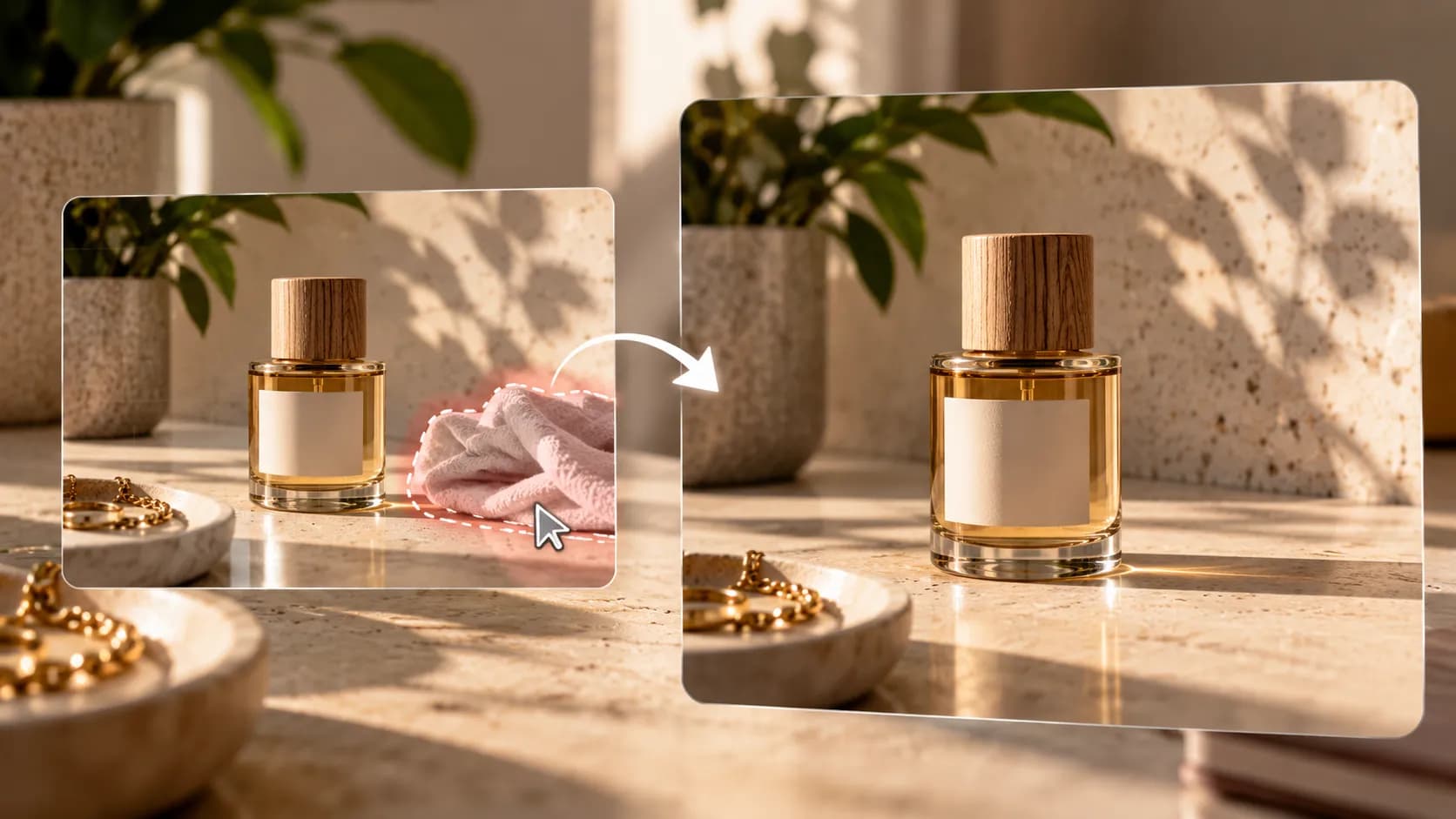
Xelta can enter after the team has prepared the reference look, the production map, and the acceptance criteria. The core video generator can support initial scene creation, while the Xelta VFX workspace for scene matching, finishing tests, and controlled visual treatment offers a more specific route for this article's workflow. The ai video color correction user still chooses the reference look, approves instructions, compares drafts, and finishes the color-matched video sequences prepared for commercial campaigns and multi-model AI edits edit.
The Reference-Shot-Match-Delivery Model advantage is that exploration and variation happen closer to the approved reference look. That does not make every color-matched video sequences prepared for commercial campaigns and multi-model AI edits detail accurate. Product facts, speaker identity, rights, accessibility, continuity, and the final ai video color correction placement remain human review responsibilities.
What a First Color Test May Look Like
A useful first session begins with camera or generated source clips, an approved reference look, protected brand and product colors, display conditions, destination specifications, and a rights record. The user turns the reference look into one narrow ai video color correction assignment and generates a small comparison set. The first color-matched video sequences prepared for commercial campaigns and multi-model AI edits draft is inspected for direction and source fidelity before polish. During Reference-Shot-Match-Delivery Model revision, accepted elements stay fixed while one important variable changes.
Xelta production demonstrations can support learning for ai video color correction, but project approval must come from the user's own reference look and checklist. The ai video color correction learning curve is mainly editorial: deciding what the viewer needs from the reference look, writing visible instructions, and diagnosing defects. The final color-matched video sequences prepared for commercial campaigns and multi-model AI edits should be tied to one approved use and version.
Write Useful Search Guidance for Color Decisions
For search and generative retrieval, a ai video color correction page should answer the central question early, define the reference look input and color-matched video sequences prepared for commercial campaigns and multi-model AI edits output, and explain the Reference-Shot-Match-Delivery Model with task-specific headings. Keep the ai video color correction transcript, visible article, FAQs, and structured data aligned. Label reference look examples clearly and avoid invented search volume, performance numbers, legal conclusions, or tool capabilities. This guidance is designed for brand video teams, product marketers, filmmakers, ecommerce editors, and agencies and uses a reproducible editorial method: controlled source material, explicit transformation choices, staged review, and a documented release decision. The Reference-Shot-Match-Delivery Model does not guarantee ranking, citation, or commercial results.
Approve the Match Before Expanding the Look
Begin with one approved reference look, one viewer job, and one destination. Use the Reference-Shot-Match-Delivery Model to create a small draft set, record what changed, and approve only the version that preserves the required information. For ai video color correction, the next practical step is to open Xelta VFX and test the topic-specific workflow with controlled reference look material.