





Stable Footage Should Preserve Intent, Not Freeze the Camera
A perfectly smooth path can still produce a visibly broken scene. For ai video stabilizer, AI Video Creation workflows on Xelta are most useful when the team defines the camera motion, destination, and approval rules before generating scenes. Useful automation starts by deciding which information is fixed and which choices are creative.
For AI video creators, social teams, product marketers, filmmakers, and post-production editors, the practical task is to turn an original generated clip, intended camera movement, crop tolerance, protected subjects and edges, destination format, and a motion review checklist into a stable export that removes distracting shake while preserving intended movement, framing, subject geometry, and natural motion. The article uses the Motion-Crop-Artifact-Playback Model to focus on intended motion, tracking, crop, rolling distortion, edge fill, subject geometry, frame interpolation, playback, and publishing checks. The Motion-Crop-Artifact-Playback Model does not assume that generation clears rights, proves a claim, or removes the need for editing. Its main risk is that strong correction may create hidden crop, elastic backgrounds, distorted subjects, horizon jumps, or an unnaturally frozen camera path.
What to Test Before Approving Stabilized Video
Define the intended camera movement, set crop limits, test the hardest tracking section, and inspect subjects and edges over time. Publish only when stabilization removes distracting shake without bending geometry, shrinking important content, or flattening the motion that carries the story. A ai video stabilizer is useful when its drafts preserve the camera motion, respond to targeted revision, and can be approved for one named destination.
Decide Which Motion Is Shake and Which Is Story
Treat the source format as material, not as the final structure. The real question is which movement should be corrected and how much crop or warping the team can accept before stabilization damages the scene. Name the audience, final placement, allowed interpretation, protected facts, and reviewer. Then decide which parts of the camera motion should be retained, shortened, rebuilt, or omitted. For ai video stabilizer, this decision prevents a tool comparison from becoming a collection of attractive samples.
The Motion-Crop-Artifact-Playback Model
The Motion-Crop-Artifact-Playback Model uses five connected records. Source Control defines the approved camera motion and protected details. The editorial map states the viewer question, message, and omissions. The generation plan translates the camera motion plan into scenes, prompts, references, audio, and edit points. The assembly review tests the AI-generated clips stabilized for social, advertising, product, and narrative publishing as a sequence. The release record identifies the approved ai video stabilizer version, destination, limitations, and owner. The Motion-Crop-Artifact-Playback Model records stop a camera motion problem from being repaired in the wrong place. A source error should not be hidden with a new visual for AI-generated clips stabilized for social, advertising, product, and narrative publishing.

Mark Intended Movement Before Running Stabilization
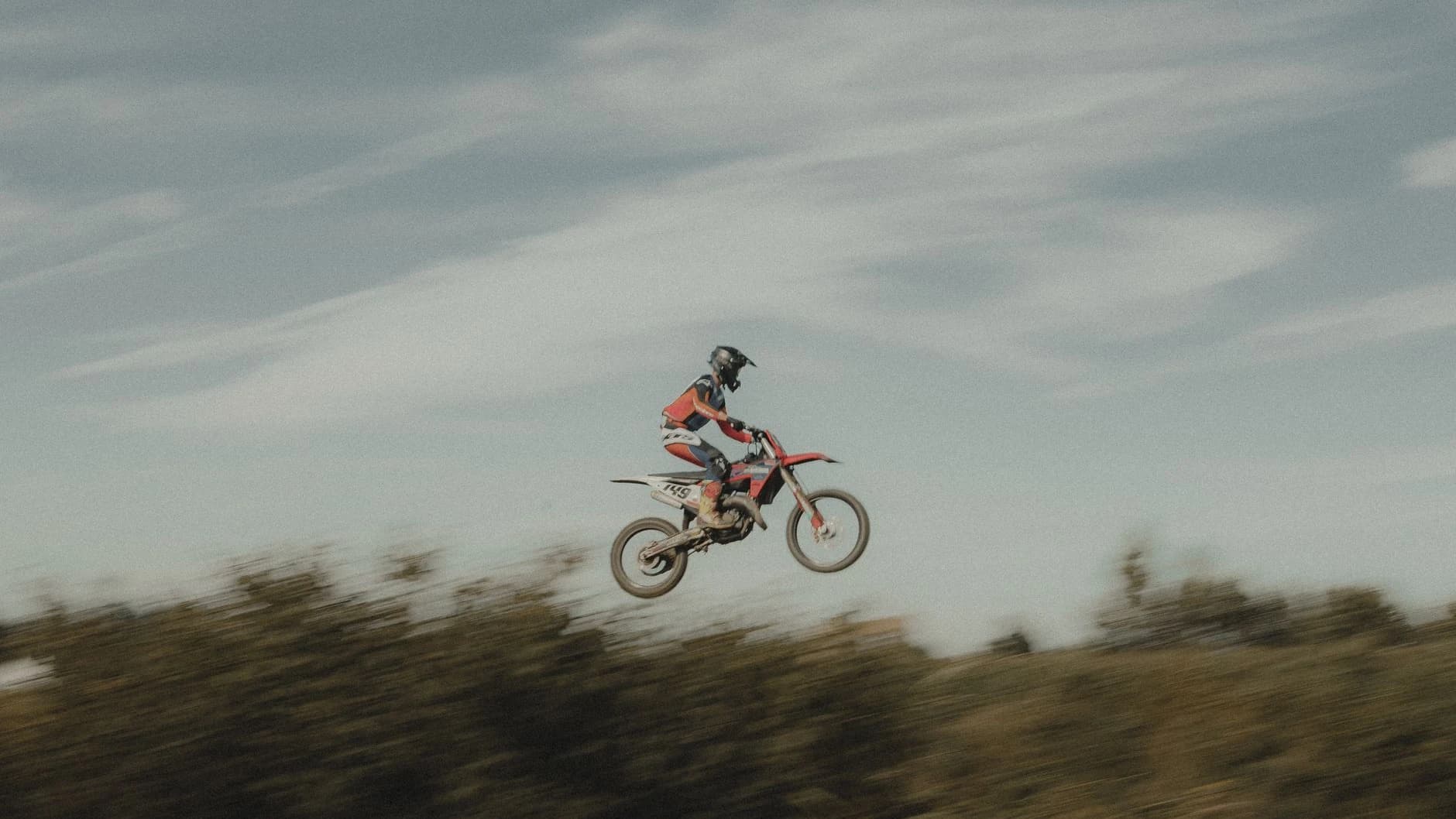
Watch the original and describe the intended pan, tilt, push, orbit, handheld energy, or locked-off frame. Mark timestamps where movement becomes distracting rather than treating all motion as an error. A stabilizer can remove the camera language that gives the scene direction and energy. Input: The original clip, scene brief, and motion intention. Output: A motion map separating intentional movement from unwanted shake. Review: Confirm the map with the editor or creative owner before processing. Next: Choose the hardest segment and define acceptable crop.
Set Crop and Edge-Fill Limits for the Destination
Write the minimum subject size, safe-zone boundaries, allowed crop, horizon requirement, and whether generated edge fill may be used. Test the final vertical or horizontal frame rather than stabilizing only the uncropped master. Stability often comes from reframing, so the repair can remove product details, captions, or important context. Input: The motion map, destination dimensions, and protected composition. Output: A stabilization brief with crop and edge rules. Review: Check that the planned crop keeps the subject, evidence, and CTA area usable. Next: Run several strength settings on the difficult segment.
Test Tracking on the Hardest Section First
Process the section with occlusion, fast movement, changing depth, reflective surfaces, or complex edges. Compare low, medium, and strong correction while keeping all other settings fixed. A clean easy segment does not reveal how the method behaves when tracking becomes uncertain. Input: The hardest segment and stabilization brief. Output: A small test matrix with settings, crop, and observed artifacts. Review: Inspect borders, background bending, subject shape, horizon drift, and sudden correction jumps. Next: Apply only the accepted range to the full clip.
Review Geometry, Motion Rhythm, and Final Playback
Watch the repaired clip at normal speed, half speed, muted, and in the platform crop. Inspect faces, hands, straight lines, products, architecture, edges, and transitions into nearby scenes. Smooth global movement can hide local warping or unnatural changes to the subject. Input: The full stabilized export, original clip, and destination preview. Output: A timestamped pass, revise, or reject record. Review: Confirm the final encoded file keeps natural motion and does not introduce new blur or interpolation errors. Next: Archive the approved version with settings and crop notes.
A Walking Travel Shot Repaired for a Vertical Reel
Use this worked example to test the method: a travel campaign repairing a generated walking shot for a vertical reel while keeping the subject centered and the background architecture natural. The ai video stabilizer team first identifies protected facts in the camera motion and one viewer outcome. It then creates a source map, a Motion-Crop-Artifact-Playback Model plan, and a named checklist for AI-generated clips stabilized for social, advertising, product, and narrative publishing. Early ai video stabilizer drafts are assembled before every detail is polished, so camera motion sequence problems appear while they are still inexpensive to change. This camera motion scenario is a worked example, not a performance claim.
Stabilize, Re-Generate, Reframe, or Reshoot
The ai video stabilizer options below solve different production problems. Compare them using camera motion fidelity, control, review effort, editability, and destination fit. For AI-generated clips stabilized for social, advertising, product, and narrative publishing, the strongest method preserves required information and reaches approval without hiding repair work.
Stabilization Failures Hidden by Smooth Playback
The most damaging failure patterns are removing all movement instead of separating shake from intentional camera work, accepting heavy crop without checking subject scale and safe zones, testing only an easy section of the clip, judging smoothness while ignoring warped faces, hands, products, or architecture, and publishing the local preview without checking the platform-processed export. For ai video stabilizer, these errors make the AI-generated clips stabilized for social, advertising, product, and narrative publishing harder to verify and teach the team very little.
Release Controls for Natural Camera Motion
A stronger operating standard is to write the intended camera movement before correction, set crop and edge-fill limits for the real destination, test the most difficult tracking section first, compare several strengths with one variable changed, and review geometry and rhythm at normal speed in the final crop. For ai video stabilizer, these controls protect the relationship between the camera motion and the final AI-generated clips stabilized for social, advertising, product, and narrative publishing.

Where Xelta Motion Planning Supports the Workflow
Xelta can enter after the team has prepared the camera motion, the production map, and the acceptance criteria. The core video generator can support initial scene creation, while the Xelta Motion Control workflow for planning and evaluating intentional camera movement offers a more specific route for this article's workflow. The ai video stabilizer user still chooses the camera motion, approves instructions, compares drafts, and finishes the AI-generated clips stabilized for social, advertising, product, and narrative publishing edit.
The Motion-Crop-Artifact-Playback Model advantage is that exploration and variation happen closer to the approved camera motion. That does not make every AI-generated clips stabilized for social, advertising, product, and narrative publishing detail accurate. Product facts, speaker identity, rights, accessibility, continuity, and the final ai video stabilizer placement remain human review responsibilities.
What a First Stabilization Test May Feel Like
A useful first session begins with an original generated clip, intended camera movement, crop tolerance, protected subjects and edges, destination format, and a motion review checklist. The user turns the camera motion into one narrow ai video stabilizer assignment and generates a small comparison set. The first AI-generated clips stabilized for social, advertising, product, and narrative publishing draft is inspected for direction and source fidelity before polish. During Motion-Crop-Artifact-Playback Model revision, accepted elements stay fixed while one important variable changes.
Xelta creation guidance can support learning for ai video stabilizer, but project approval must come from the user's own camera motion and checklist. The ai video stabilizer learning curve is mainly editorial: deciding what the viewer needs from the camera motion, writing visible instructions, and diagnosing defects. The final AI-generated clips stabilized for social, advertising, product, and narrative publishing should be tied to one approved use and version.
Make Motion Guidance Clear for Search and Creators
For search and generative retrieval, a ai video stabilizer page should answer the central question early, define the camera motion input and AI-generated clips stabilized for social, advertising, product, and narrative publishing output, and explain the Motion-Crop-Artifact-Playback Model with task-specific headings. Keep the ai video stabilizer transcript, visible article, FAQs, and structured data aligned. Label camera motion examples clearly and avoid invented search volume, performance numbers, legal conclusions, or tool capabilities. This guidance is designed for AI video creators, social teams, product marketers, filmmakers, and post-production editors and uses a reproducible editorial method: controlled source material, explicit transformation choices, staged review, and a documented release decision. The Motion-Crop-Artifact-Playback Model does not guarantee ranking, citation, or commercial results.
Publish the Version That Keeps the Camera Intent
Begin with one approved camera motion, one viewer job, and one destination. Use the Motion-Crop-Artifact-Playback Model to create a small draft set, record what changed, and approve only the version that preserves the required information. For ai video stabilizer, the next practical step is to open Xelta Motion Control and test the topic-specific workflow with controlled camera motion material.