






Best AI Video Generator in 2026: Where Seedance 2.5 Fits?
Every year the search for the best AI video generator gets more crowded, and 2026 is no exception. New models launch on a rolling basis, each claiming sharper motion, faster turnaround, or more accurate prompt following than the last. But best isn't a fixed label sitting in a comparison table waiting to be looked up. It's a judgment call that depends on what you're making, who it's for, and how much editing time you're willing to spend after the clip comes out.
This guide won't hand you a single winner and call it done. Instead, it walks through the criteria worth judging a video model by, explains why testing more than one model on the same brief tends to beat picking one off a demo reel, and looks at where Seedance 2.5, the video model that recently joined Xelta.ai's creative intelligence ecosystem, fits into that evaluation as one strong option among several.
Why "Best" Should Be a Question, Not a Label
Treating best AI video generator as a settled title is where most comparisons go wrong. A model that produces striking cinematic shots might struggle with tight product framing. A model built for fast social clips might not hold a character's face steady across a longer sequence. Neither is objectively better; they're built for different jobs.
The more useful question is: best for what? Best for a 15-second product ad, a talking-head explainer, a stylized brand teaser, or a long-form narrative sequence all point toward different priorities. Once the job is defined, the evaluation stops being about marketing claims and starts being about whether a specific model, on a specific brief, gets you a usable result without excessive rework.
The Criteria That Actually Matter When Choosing an AI Video Generator
A handful of factors tend to separate a video model that fits your workflow from one that just looks good in someone else's showcase reel:
- Prompt control: how closely the output follows what you actually described, including camera movement, pacing, and scene composition, not just the general subject
- Output relevance: whether the generated clip matches the intent of the brief, or whether you're left picking the least-wrong version from a batch
- Consistency: how well a subject, character, or style holds up across multiple shots or a longer sequence
- Editing effort: how much cleanup, retiming, or re-generation it typically takes before a clip is publish-ready
- Export options: resolution, aspect ratio flexibility, and format support for the channels you actually publish to
- Workflow fit: whether the tool slots into how your team already works, from brief to review to final export
None of these can be judged from a single showreel clip. They only become clear once you run your own material through a model and see what comes back.
Why Testing Multiple Models on the Same Brief Beats Picking One Blind
Committing to a single AI video generator before testing it against your own use case is a common way teams end up reworking their process a few months in. A model's strengths only show up against your actual briefs, your actual brand style, and your actual review process, not a curated demo.
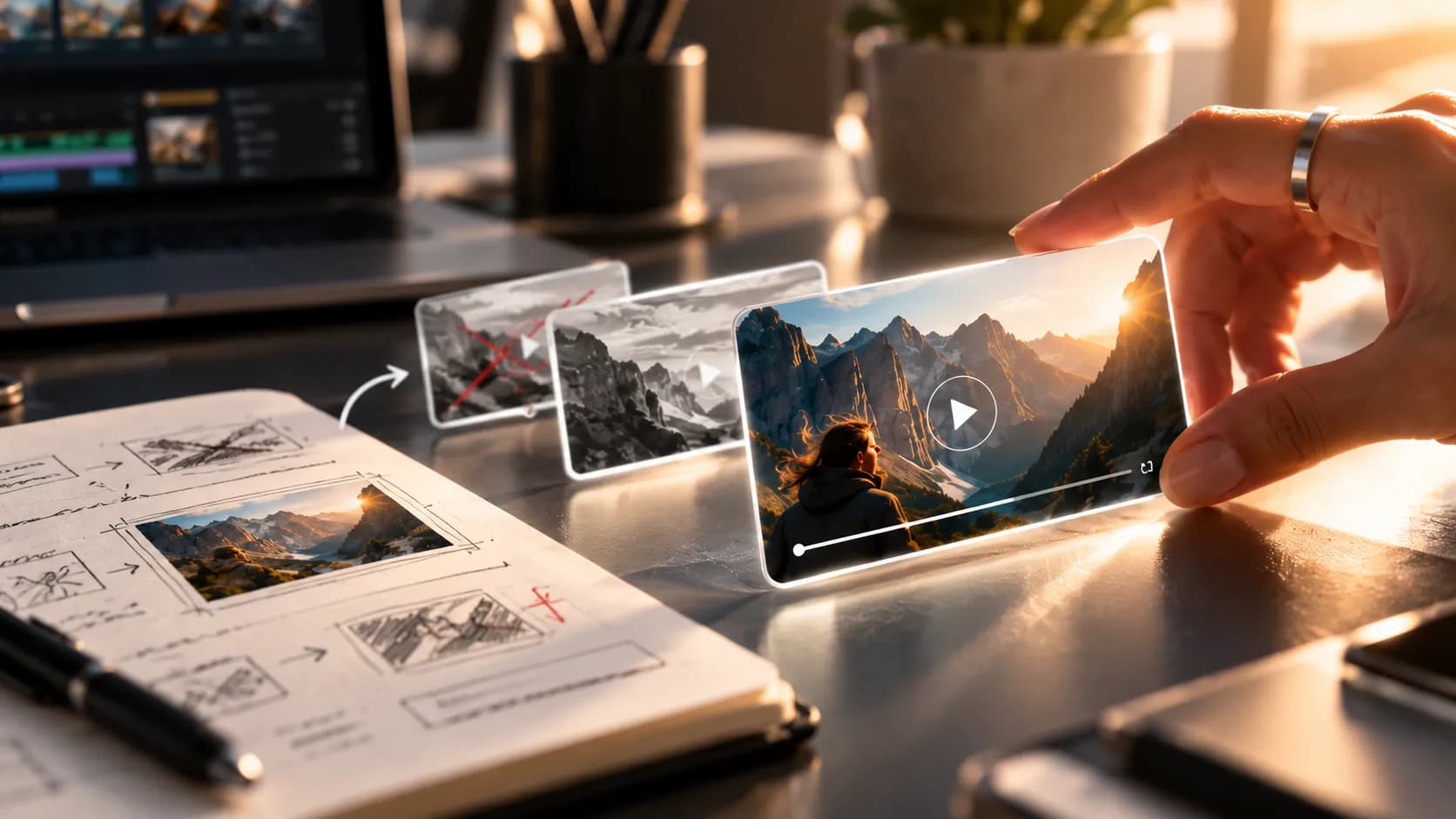
Running the same prompt through two or three models and comparing the results side by side surfaces differences that spec sheets and landing pages don't mention: which model interprets camera direction more literally, which one keeps a character's appearance stable across cuts, which one needs the fewest retries to get a usable take. That kind of comparison is hard to do when each model lives on a separate platform with its own account, credits, and export flow. It's much easier when the models sit next to each other in one place.

Where Seedance 2.5 Fits Into the Evaluation
Seedance 2.5 is now available on Xelta.ai as part of a broader creative intelligence ecosystem that brings multiple image, video, and audio models into a single workspace. That matters less because Seedance 2.5 is one new model, and more because of what it enables: the ability to run the same brief through Seedance 2.5 and other video models available on the platform without switching tools, re-uploading assets, or juggling separate subscriptions.
Seedance 2.5 is worth including in that comparison on its own merits, particularly for briefs that call for tighter prompt adherence and smoother motion handling across a sequence. But the point of having it inside Xelta isn't to declare it the automatic choice. It's to make it easy to test against whatever else is available on the platform and let the results for your specific brief decide, rather than a headline.
A Practical Workflow for Running Your Own Comparison Test
Before committing to a video generator for production work, it helps to run a small, structured test rather than relying on a single trial clip:
- Write one detailed brief that reflects a real project: subject, setting, camera movement, pacing, and desired mood
- Run that exact brief through two or three models on Xelta, including Seedance 2.5, without changing the wording between runs
- Score each output against the criteria that matter for your use case: prompt control, relevance, consistency, and how much editing it needs
- Check export settings against your actual publishing requirements, such as aspect ratio and platform-specific formats
- Repeat with a second, different brief to confirm the pattern holds rather than judging on one lucky or unlucky generation
This kind of test takes an afternoon, not a procurement cycle, and it gives you a decision based on your own footage rather than someone else's highlight reel.