




Best Free AI Image Generators in 2026
A banner for the promotion of tomorrow is more valuable than another subscription. Search for the best free AI image generator proves to be difficult if “free” means a welcome balance, credits on a continuous basis, or using public images as sources. Xelta AI is one such platform, yet newcomers receive fewer tokens than its rivals provide on a regular basis.
In conclusion, for carrying out multiple tests, it is better to choose between Leonardo AI and its daily tokens or slow credits from Ideogram. Microsoft Designer is handy for simple social media posts, Adobe Firefly provides a small number of daily generations, and Gemini from Google allows asking for images in a conversational way. Xelta AI gives you a chance to explore different image variations with its introductory credits. Double checking of privacy policy and export options is required before using any of these services for commercial purposes.
Quick Answer
The best free AI image generator depends on the specific creative needs, remaining credits, privacy concerns, and export format preferences. Some of the most notable tools that allow users to experiment with AI generated images are Leonardo AI, Ideogram, Adobe Firefly, Microsoft Designer, Google Gemini, and Xelta AI, which provides 30 credits to get started with image generation. The number of credits may be limited, and free credits may require users to publish the results publicly, add watermarks, or restrict commercial use. Before selecting the most appropriate tool, it is advisable to compare the same prompt result in different programs, evaluate the final result quality, and the number of necessary adjustments. The most cost effective option would be the one that allows creating a necessary image without additional expenses rather than the one offering the highest quantity of results.
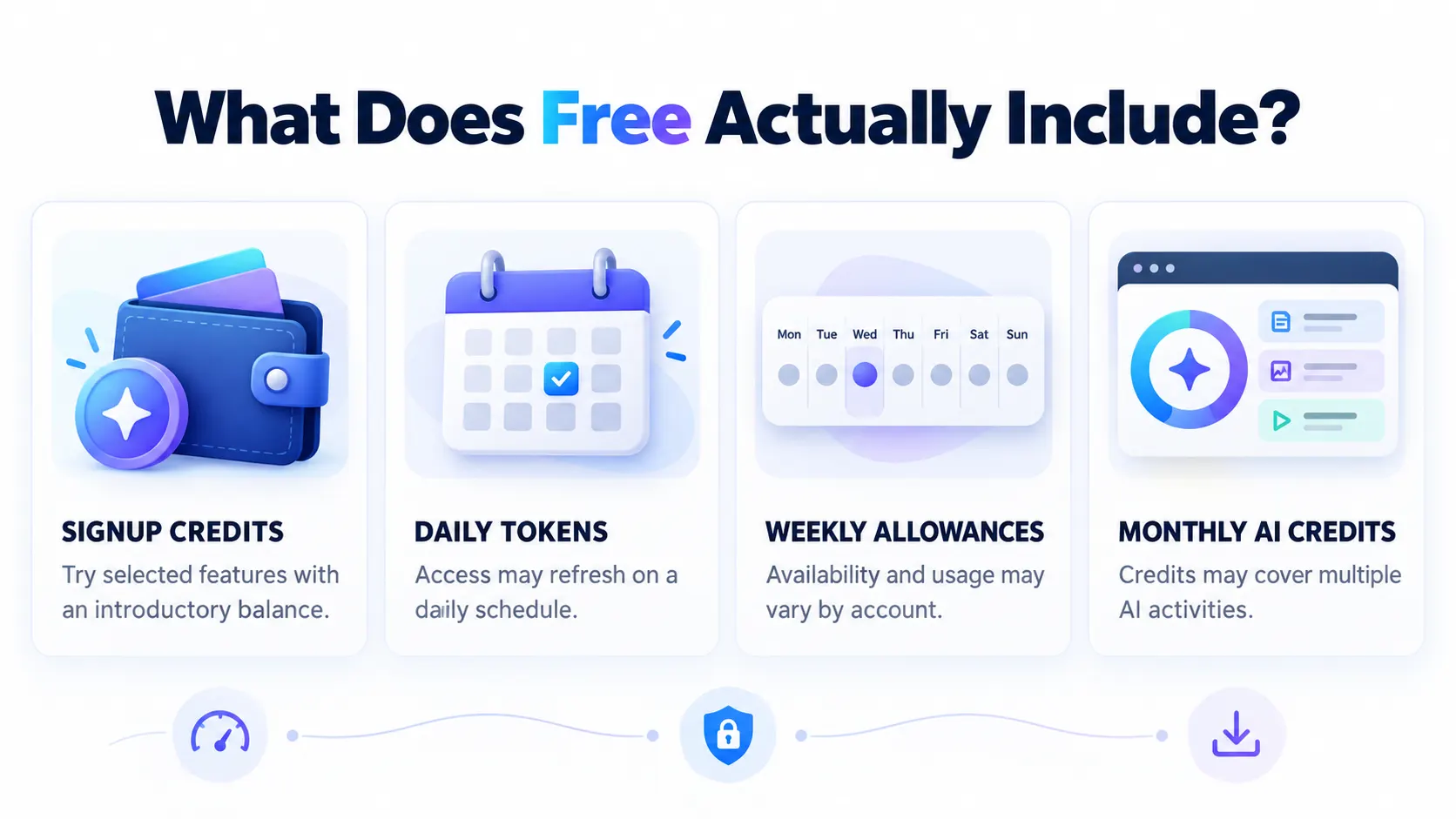
What Does “Free” Actually Include?
A zero account does not ensure free production for the user on an ongoing basis. The help center of Xelta reveals that with a new user’s account, they get 30 introductory credits with an explicit breakdown of what will be deducted when producing images. This is a trial amount, so it does not imply total freedom on a daily basis.
Some platforms allow the user to set a recurring limit, but on others, images are public unless the user decides to make them private, paying for the subscription. Before uploading a client’s unreleased packaging, make sure to understand who will see the images and if it requires editing to a higher resolution.
Which Free AI Image Tools Are Worth Trying?
| Tool | Free access documented in 2026 | Reason to try it |
|---|---|---|
| Xelta | 30 signup credits; variable generation costs | Different image models and references |
| Leonardo AI | 150 tokens daily; creations public | Illustration and concept experiments |
| Ideogram | Weekly slow credits for eligible accounts; public by default | Posters and text-led concepts |
| Adobe Firefly | Limited daily generations | Visuals in an Adobe workflow |
| Microsoft Designer | Free monthly AI credits | Social graphics and design edits |
| Google Gemini | Image generation on free access; changeable limits | Conversational prompts and revisions |
Leonardo's 150 tokens are not 150 images; models and settings differ in cost. Ideogram's free allowance is based on eligibility with a waiting list. Designer's credits are valid for other eligible AI activities.
If privacy is a concern, you can't rely on a free tier to give it. Leonardo labels free creations as public; Ideogram saves unpublished generation for paid accounts.
How Can You Compare Image Quality Without Wasting Credits?
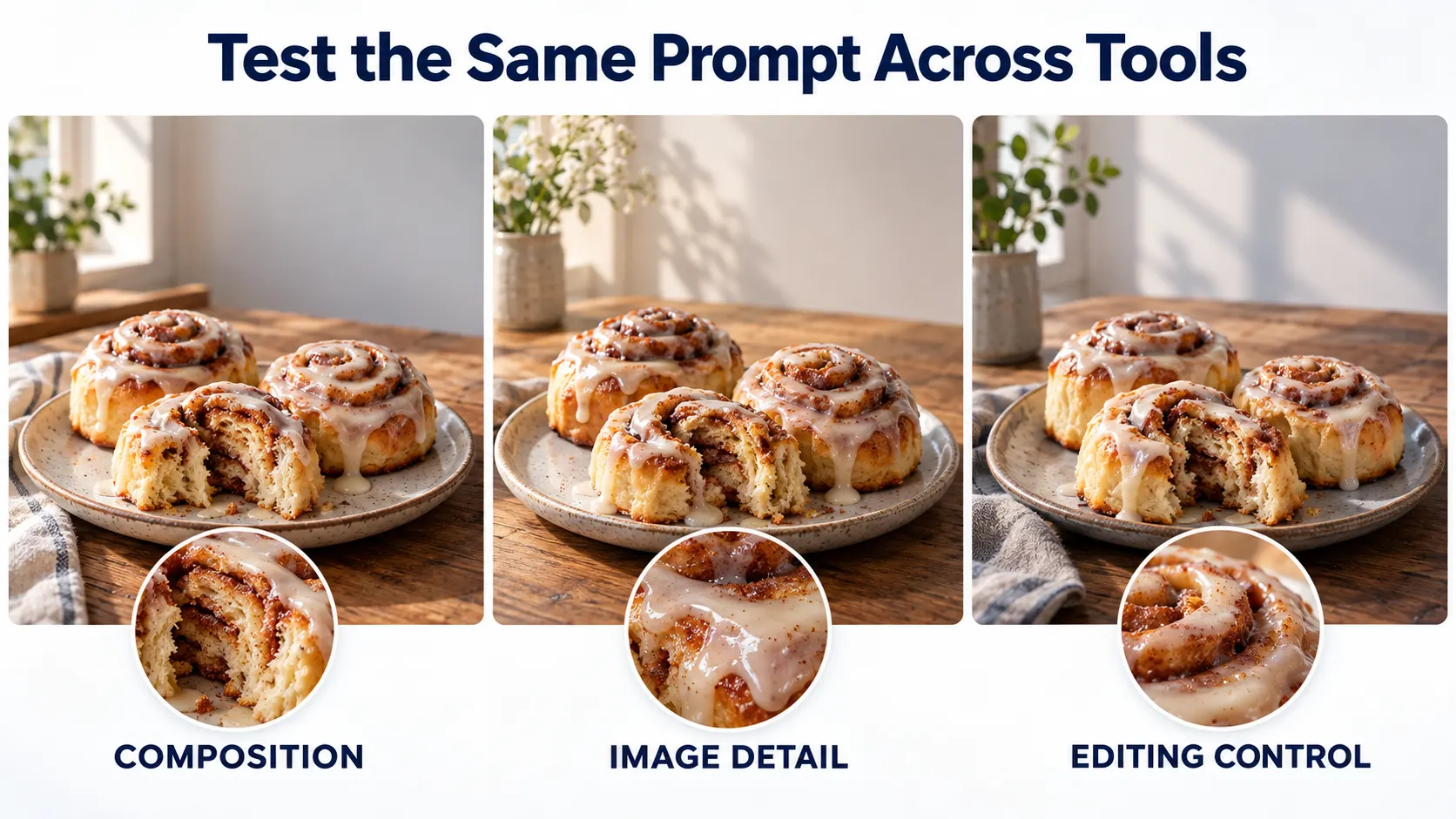
Instead of vague instructions, pick a real brief. For example, your client wants a square photo for Instagram of their cinnamon rolls. But make sure to include the brand name in the final image.
Now use the same brief for all tools:
Make a square editorial photo of three cinnamon rolls on a ceramic plate. One of the rolls should be separated to show the layers of cinnamon and glaze. The lighting should come from the windows in the morning, the wood texture of the table and shadows should be visible. The composition should have a place for a headline on the top right side. Avoid any text, logos, hands, or other pastries in the picture.
What details did you miss? Were there three rolls? Was there enough glaze? Did you leave enough space for the brand name? Can you change the table’s colour and keep the composition? How many times did you have to try before you got it right?
Where Does Xelta Fit If You're Starting Free?
Xelta's AI image generator has a variety of text prompts, reference images and different models to choose from. This can be useful when you want to keep the image of an actual product but change your background.
You should pick your model and check how many credits it charges before you generate anything. Since you only have 30 introductory credits, it might be drained if you use a costly model. Think of the 30 free credits as a trial for the product, not your monthly budget for generating images.
What Can Make a Free Image Expensive Later?
A preview might be a failed ad. The generated labels may be misspelled, hands may be deformed, a product could acquire features that are not intended to be there. It takes time to correct these errors.
Compare all over the different platforms the export sizes, watermark policies, private generation, renewal schedules, and commercial use rules. Add prices and logos in an editor to ensure accuracy.
What Should You Check Before Publishing?
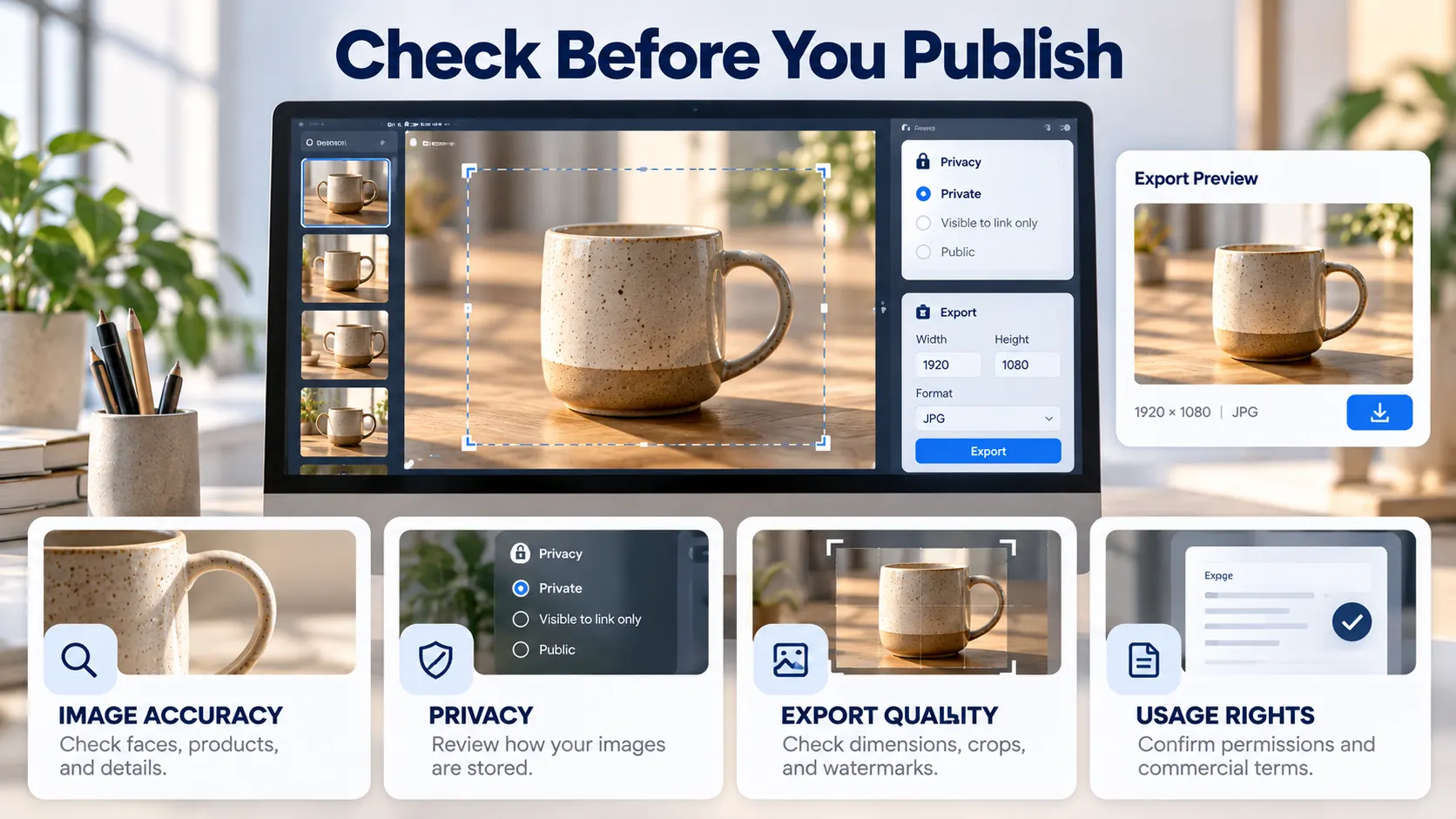
Zoom in on the faces, packaging, and text of images and check the export at its true publishing size to review the crop. Make sure that the images are not misleading customers and that you have the usage rights. A great picture is useless if it shows the wrong product.
Still, if you make regular use of image creation on a monthly or yearly basis instead of an occasional one, take a look at Xelta's offers and see if the cost is justified considering the number of necessary retouches and extra shots.
Final Thoughts
The biggest allowance isn't necessarily the best value if you don't have a clear idea of the result. The hundred experiments won't help if none of the trials exports cleanly or the prompt keeps changing every time you edit the image. On the other hand, a single trial may be enough to confirm that the tool understands your preferred style and your reference images.
Use one image that you need, save the prompt, and try one specific edit. See how many credits you burned and what still needs to be edited by hand. If the result is immediately usable, then you've completed your trial. If not, you'd have to test another tool to see which one can complete the job before spending any credits.
The point of the free trial isn't to generate as many images as possible but to get a result that you can use without any extensive editing.
For official demonstrations and visual examples, exploreXelta AI on YouTube.