



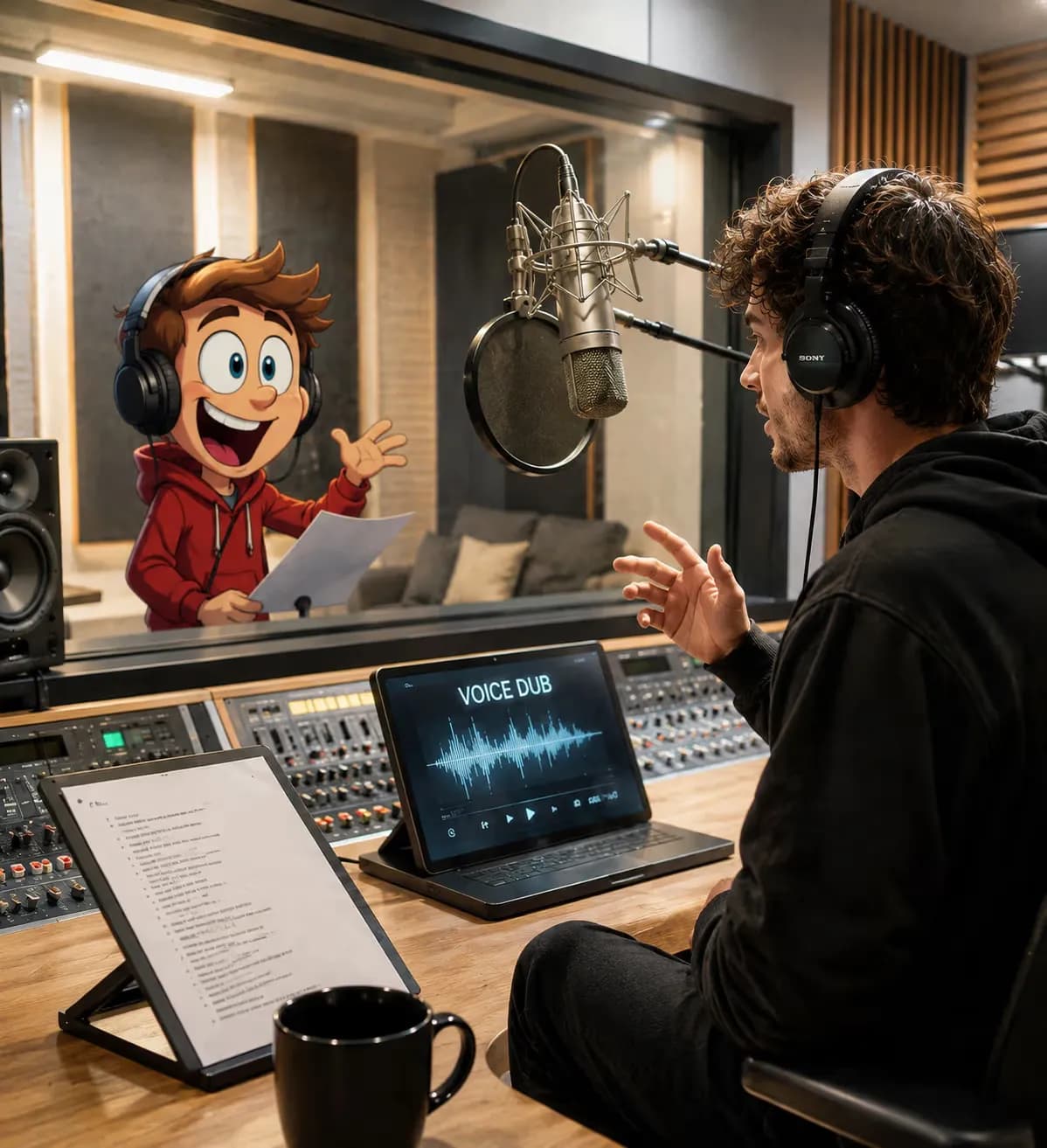




Seedance 2.5 for Social Media and UGC-Style Video Content
Every social platform now runs on short-form video, and the appetite for it does not level off. Feeds refresh by the minute, trends rotate in days, and a single brand might need a dozen variations of the same idea to find the one that actually lands. Seedance 2.5, now available on Xelta.ai, is built for exactly this pace, turning a single product brief into a batch of short-form video concepts that feel native to the platforms they are made for.
This piece looks specifically at how Seedance 2.5 fits into social and UGC-style content work: why manual production struggles to keep up, what makes UGC-style AI video distinct from a polished ad, a practical workflow for generating multiple concepts from one brief, how to keep brand and product details consistent across a batch of clips, and what to check before anything goes live.
Seedance 2.5 is part of Xelta.ai's wider creative intelligence ecosystem, where video, image, and audio generation models sit together in one workspace. That matters for UGC-style work in particular, since a single campaign often needs quick cutdowns, voiceover variations, and cover images alongside the video itself, all without juggling separate tools.
Why Short-Form Social Video Demand Outpaces Manual Production
A brand running an active social presence is rarely publishing one video a week. It is testing hooks, formats, and angles across multiple platforms at once, often several times a day during a campaign push. Manual production was never designed for that cadence. Booking a shoot, briefing talent, editing, and getting sign-off can take days for a single piece of content, while the trend or moment it was meant to ride may have already passed.
The gap shows up in a few consistent ways for social and marketing teams:
- Testing five hooks for the same product used to mean five separate shoots or a lot of reshuffling in the edit
- Platform-specific cuts (a 15-second Reel versus a 30-second TikTok versus a square feed post) each demanded their own pass
- Seasonal or trend-driven content had a short shelf life, so the cost of production often outweighed the payoff
- Smaller teams and solo creators simply could not match the output of agencies with in-house production crews
Seedance 2.5 does not remove the need for creative judgment, but it changes the economics of trying more ideas. Generating a handful of concept variations from one brief becomes a starting point for a working session rather than a multi-day production cycle.
What UGC-Style AI Video Actually Means
UGC-style video is a specific aesthetic, not just "lower quality" video. It reads as something a real person filmed on their phone: handheld framing, natural pacing, casual delivery, and the kind of imperfection that signals authenticity to a scrolling audience. That is different from a polished commercial, which leans on studio lighting, tight scripting, and a clear production sheen.
The distinction matters because audiences respond to these two styles differently. A highly produced ad can build brand credibility, but a UGC-style clip tends to feel like a recommendation from someone rather than a pitch from a company, which is why it often performs well in social feeds. When using Seedance 2.5 to generate this style, the goal is to describe pacing and framing that matches the platform, not to describe a flawless studio shot. Think in terms of a hypothetical scenario: a creator picking up a product, reacting to it in a normal room, talking through it the way a friend would, rather than a model posed against a seamless backdrop under key lighting.
It is worth being direct about a limitation here: AI-generated video, however natural it looks, is still generated content. Treating it as a stand-in for real customer testimonials or real UGC without disclosure creates authenticity and trust problems, which the review section below covers in more detail.
A Practical Workflow for Generating a Batch of Short-Form Concepts
One of the more useful patterns for social teams is starting from a single product or campaign brief and branching it into several short-form concepts before picking winners to refine. A workflow that tends to work well:
- Write one clear brief covering the product, the core message, and the platform (or platforms) the clip is for
- Draft three to five variations of the opening hook, since the first two seconds usually decide whether a viewer keeps watching
- Generate a short clip for each hook variation using Seedance 2.5, keeping the rest of the brief consistent so the comparison is fair
- Review the batch as a group rather than one at a time, looking for which pacing and framing feel most native to the target platform
- Shortlist the strongest two or three concepts and generate follow-up variations (different settings, different delivery tone) only on those
- Pull the winning clip(s) into any needed cutdowns for other platforms or aspect ratios
Because Xelta.ai brings video, image, and audio tools into one workspace, this same brief can also generate a cover image or a voiceover variation without leaving the platform. For teams managing several products or SKUs, this branching approach scales reasonably well since the brief itself is reusable, only the specific product details and hook language change between runs. As always, confirm current plan limits and credits before planning a large batch run.
Keeping Brand and Product Accuracy Consistent Across Many Clips
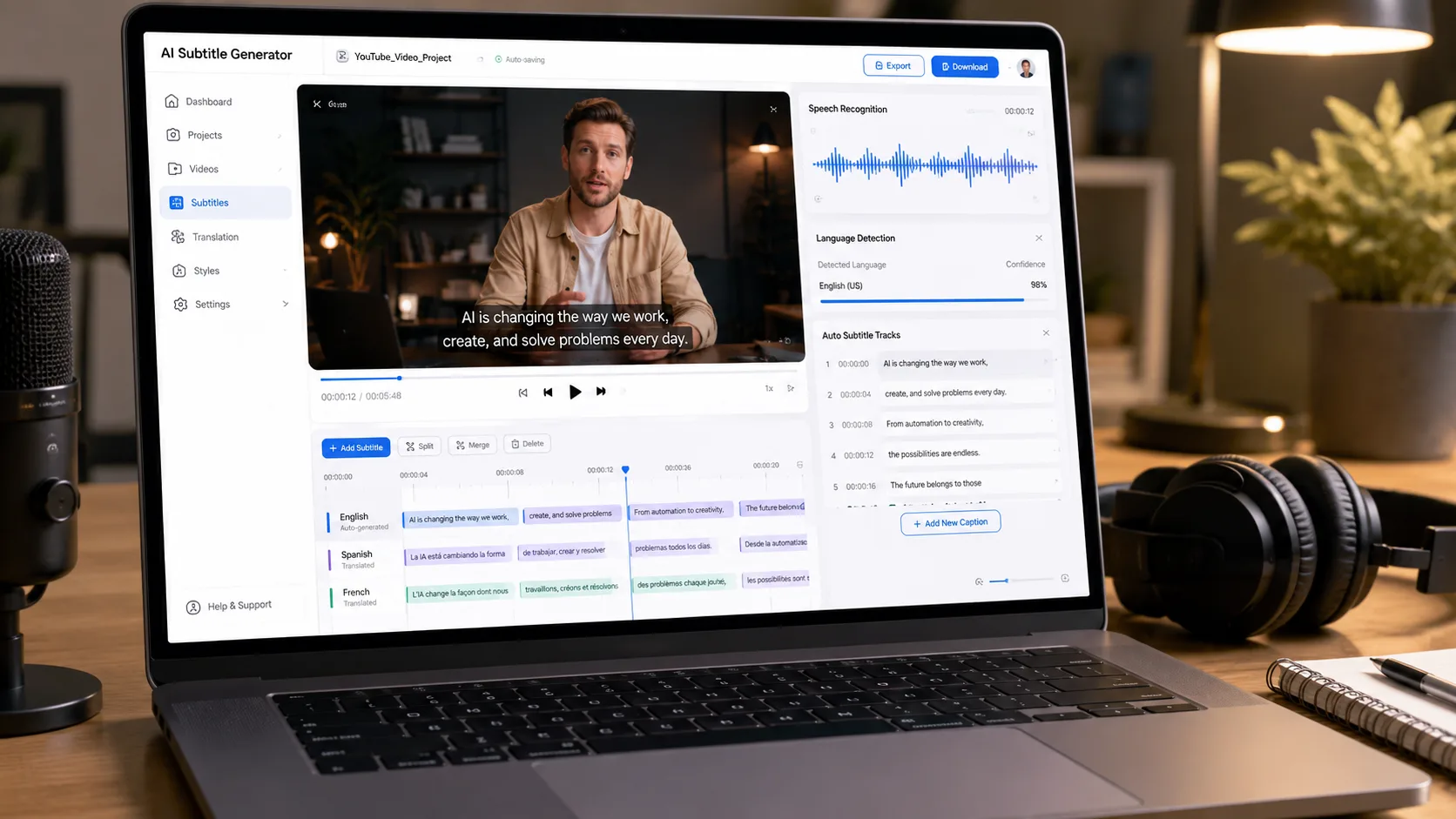
Generating a large batch of short clips introduces a real risk: small inconsistencies compound across volume. A product name misspoken, a color that drifts between clips, or a claim that oversells what the product actually does can slip through when a team is reviewing dozens of variations quickly.
A few habits help keep a batch coherent:
- Keep a short, reusable reference sheet with the exact product name, key features, and any claims that are and are not approved for use
- Avoid letting each new prompt drift from the last; base variations on the original approved brief rather than rewriting from memory each time
- Flag any clip where product details, packaging, or claims look even slightly off, rather than assuming a small deviation is harmless
- Batch review by product line so a reviewer's attention stays on one set of details at a time instead of switching context constantly
This is less about the generation tool itself and more about process discipline. The faster content moves through a pipeline, the more a lightweight checklist earns its keep, especially for regulated categories or any product where an inaccurate claim carries real consequences.
Review and Disclosure Before Publishing AI-Generated Content
Before any AI-generated clip goes out on a social platform, it should pass through a human review step. That review is doing two different jobs at once: catching quality or accuracy issues, and making a judgment call about disclosure.
Most major platforms now expect creators and brands to label content that is AI-generated or AI-assisted, particularly when it resembles a real person's testimonial or endorsement. UGC-style AI video sits in a gray area precisely because it is designed to feel authentic, which makes disclosure more important, not less. A practical baseline for a review pass:
- Confirm the clip does not misrepresent the product, its features, or its results
- Check that any on-screen text or spoken claims match what is actually approved for use
- Apply the platform's current AI-content labeling requirements rather than assuming last year's rules still apply
- Have a second person sign off before anything with a brand name attached goes live
Treating disclosure as a formality to skip is a shortcut that tends to cost more in trust than it saves in time. Building the label into the workflow from the start, rather than adding it as an afterthought, keeps a fast-moving content pipeline defensible as it scales.